


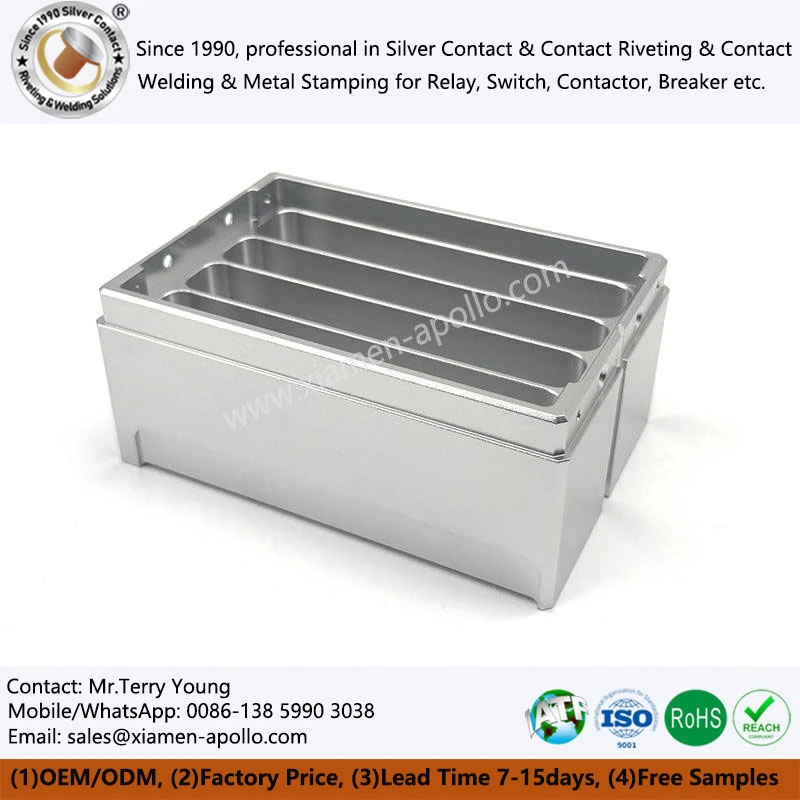
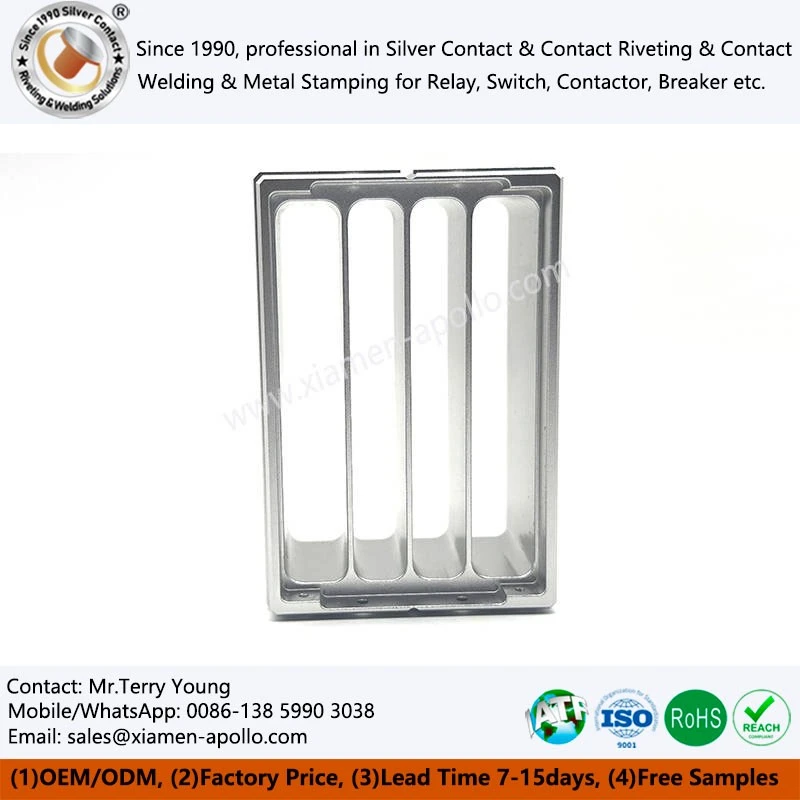
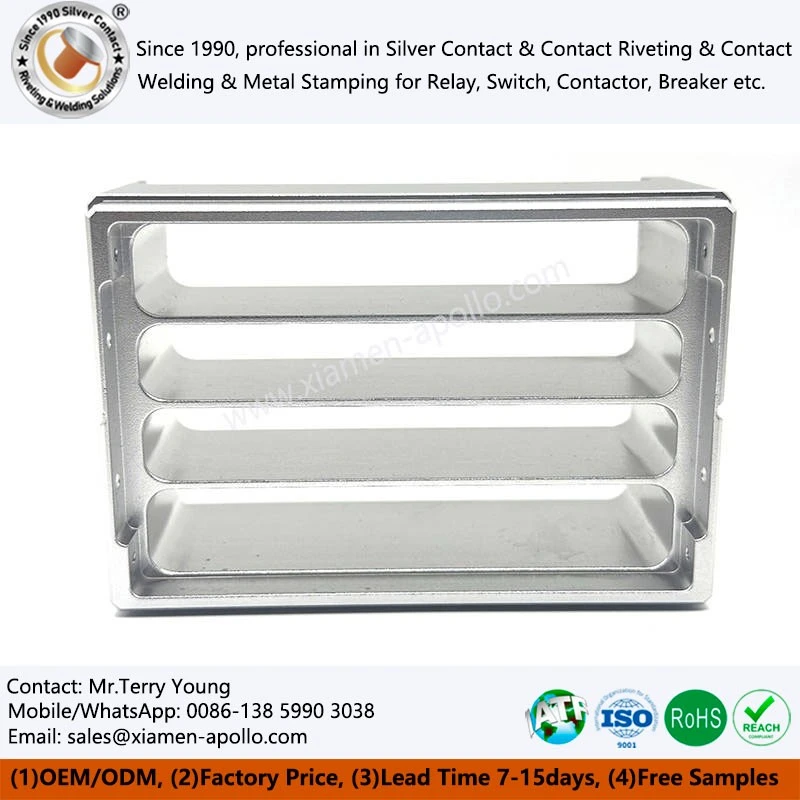
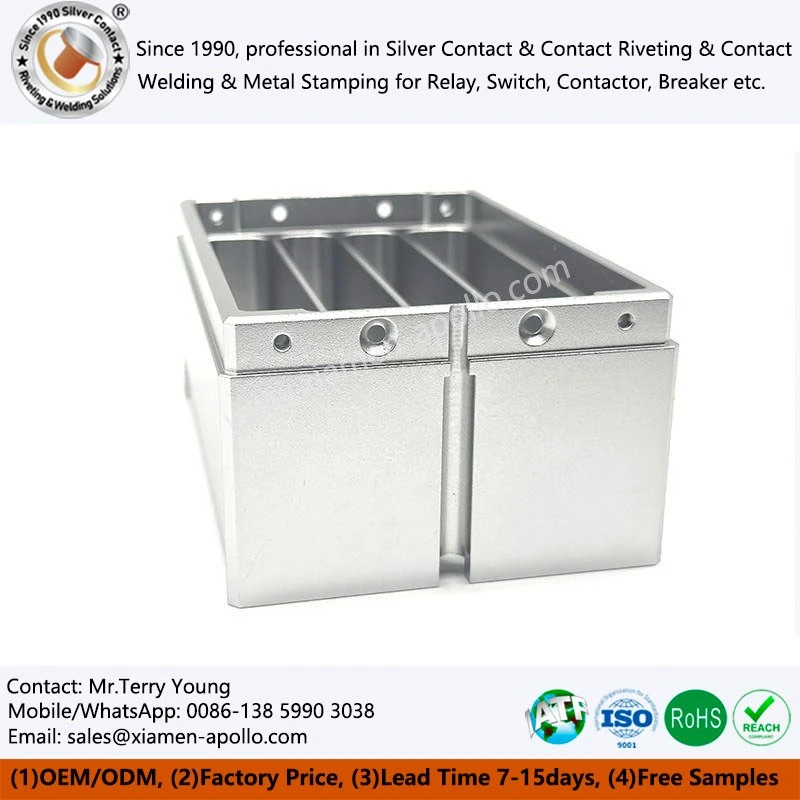
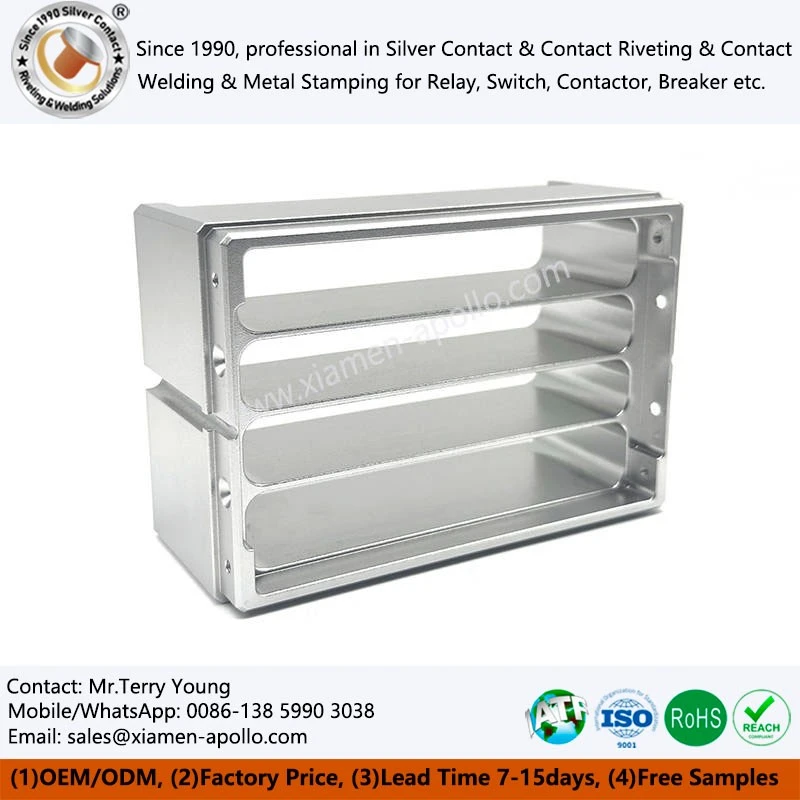
What are Aluminium CNC Parts?

Aluminium CNC Parts are custom machined components manufactured via multi‑axis CNC milling from aluminum blanks. Capable of tight tolerances down to ±0.01 mm, they realize complex contours, thin‑wall structures, and precision features difficult to produce economically by stamping or casting.
Boasting 130‑200 W/m·K thermal conductivity, high strength‑to‑weight ratio, and electromagnetic shielding performance, these CNC Cut Parts are widely applied in LED heat sinks, switchgear housings, heavy‑load brackets, and electronic enclosures. Multiple surface treatments, including anodizing, chemical conversion film, and powder coating, are available to improve corrosion resistance.
We support rapid prototyping and large‑scale batch production. All products pass strict quality inspection and meet ISO 9001, RoHS, and REACH standards. Factory direct supply stabilizes part delivery for your mechanical and electronic projects.
Material Selection Of Aluminum Turned Parts
Alloy Grade Differentiation
Selecting the correct alloy grade balances mechanical strength against weight constraints. Grade 6061‑T6 offers balanced weldability and corrosion resistance for general enclosures, while 7075‑T6 provides maximum tensile strength for high‑load structural brackets.
Thermal Conductivity Optimization
Pure aluminium lacks structural rigidity, requiring alloy optimization. Metal Machining Parts manufactured from aluminium alloys maintain thermal conductivity parameters between 130 and 200 W/m·K, effectively transferring heat away from internal circuit boards and power switches.
Weight‑to‑Strength Ratios
With a density roughly one‑third that of carbon steel, Custom Billet Aluminum Parts help these machined components reduce total assembly weight without sacrificing structural integrity, lowering inertial loads in high‑speed mechanical actuation systems.
Corrosion Resistance via Metallurgy
Aluminium naturally forms a passivating oxide layer. For aggressive industrial environments, Aluminum Turned Parts with secondary chemical conversion coatings enhance pitting resistance and maintain electrical grounding continuity across mating surfaces.

OEM Customization & Supply Requirements of Milled Metal Parts
Drawing-Based Production
Precision CNC Parts are manufactured against customer drawings, 3D models, or approved samples. The quotation should identify alloy, material temper, dimensions, tolerance class, surface treatment, inspection requirements, and expected annual or batch volume.
Prototype Review
Prototype machining can be used to verify critical dimensions and assembly interfaces before production tooling or volume machining is released. For complex Milled Metal Parts, particular attention should be given to thin‑wall deformation, deep‑cavity access, tool clearance, hole depth, and datum selection.
Batch Production
Volume‑production orders are executed based on validated CNC programs, finalized drawings and predefined inspection specifications. For Metal CNC Machined Parts, the automatic tool‑change system enables multi‑operation machining without manual tool swaps for each feature. Tool selection is determined by alloy grade, part geometry and cutting parameters.

Frequently Asked Questions About Aluminium Parts
How do you prevent thermal distortion during CNC Machined Milling Aluminum?
+
-
We utilize optimized cutting parameters, high‑speed low‑depth toolpaths, and intermediate stress‑relief protocols to manage internal material stresses and prevent structural warping during metal removal.
What surface finishing options are available for CNC Machining Milling Turning Parts?
+
-
Available finishes include clear and color anodizing, chemical conversion coatings (chem film / alodine), powder coating, and passivation to enhance corrosion resistance and wear durability.
Are material test reports provided with each shipment of Aluminium Parts?
+
-
Yes, comprehensive material test reports (MTRs) detailing chemical composition and mechanical property verifications are supplied with every production batch for full quality traceability.
Is five-axis machining necessary for Milled Metal Parts?
+
-
Five-axis machining is useful when a part contains multiple angled faces, compound surfaces, or features that are difficult to access with three-axis equipment. It can reduce setup changes and datum transfers. For simpler brackets, plates, and turned components, three-axis milling or CNC turning may provide a more economical process.
What information is needed for a quotation for Aluminum Turned Parts?
+
-
A quotation normally requires the 2D drawing or 3D CAD file, aluminum grade and temper, quantity, critical tolerances, surface treatment, inspection requirements, and delivery target. For repeat production, the drawing revision and expected annual volume are also useful because machining sequence, inspection planning, and material purchasing depend on these parameters.

Contact Us
To secure your production pipeline with factory‑direct Aluminium CNC Parts, submit your technical drawings and volume projections to our engineering team today for an immediate DFM review and competitive wholesale quotation.

Hot Tags: Aluminium CNC Parts, Custom Aluminum CNC Part, Precision CNC Machined Aluminum Parts, OEM Aluminium Machining, Multi‑Axis CNC Aluminum Parts, Aerospace Aluminum Components, Automotive Aluminum CNC Parts, LED Heat Sink Machining, Custom Billet Aluminum Parts, Aluminum Prototype Machining, CNC Milling Part Aluminum, CNC Milling Aluminum Parts, CNC Aluminum Parts for Machine Shaft, Aluminum Turned Part, Aluminium CNC Machining Parts, CNC Aluminum Machining Parts


