


Product Description
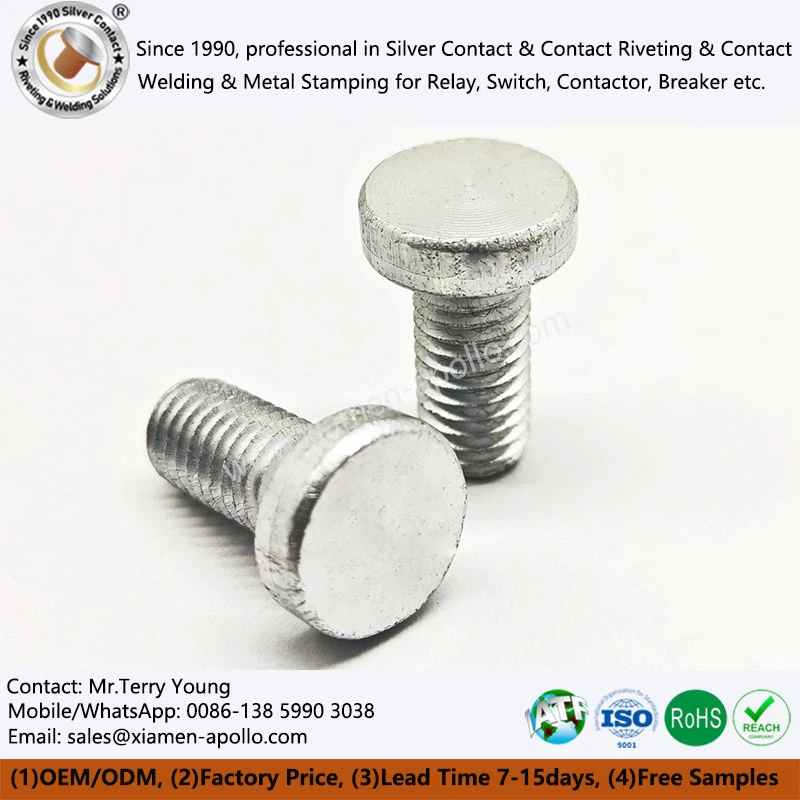
Flat Head Screws are a common type of fastener characterized by their flat-topped heads, which allow them to remain flush with the workpiece surface. They are widely used in various fields, including machinery, construction, electronics, and furniture manufacturing. Compared to traditional round or semi-round head screws, Flat Top Screws, due to their unique design, provide better load-bearing capacity after installation while maintaining a smooth surface, avoiding damage or unevenness that could be caused by protruding parts. The head design and installation method of Low Profile Flat Heads make them particularly suitable for assembling equipment or structural components requiring smooth surfaces, especially in applications demanding high surface flatness. With their simple appearance and powerful functionality, they have become an indispensable fastener in various industries.
Product Advantages
Flat Head Design
One of the biggest advantages of Flat Head Machine Screws is their flat head design, suitable for applications requiring flush mounting or recessed installation. This design ensures the screw doesn't protrude after installation, avoiding the unsightly appearance or interference issues that can occur with traditional round head screws. When the screw is fully screwed into the material, its head is almost flush with the surface of the connected part, making it virtually imperceptible to the touch. This not only enhances the overall visual appeal but also prevents scratches or damage to the surface from accidental contact during daily use, making it particularly suitable for scenarios requiring high surface smoothness and cleanliness.
Wide Applicability
Flat Face Screws can be used in various types of materials and structures, and are especially suitable for applications with smooth surfaces or requiring smooth joints. For example, when using Flat Head Machine Screws in furniture manufacturing, whether assembling wooden frames for tables and chairs or fixing drawer side panels, it ensures a flat and aesthetically pleasing surface after installation, eliminating the need for additional sanding or filling. Whether it's hardwood, cold metal sheets, or plastic parts with a certain degree of flexibility, Sunk Head Screws, with their moderate head size and diverse specifications, can efficiently complete fastening tasks without leaving obvious indentations or damage on the material surface, ensuring both the strength and aesthetics of the connection.
High Safety
The design of Low Profile Flat Heads effectively reduces the risk of accidental collisions and friction during equipment use. The non-protruding screw head avoids equipment damage or personal injury caused by impacts or misoperation. For example, inside equipment requiring frequent operation or in confined spaces, the flat head of the Pan Head Screw will not become an obstruction, reducing the possibility of workers getting their clothing caught or their skin scratched during maintenance or use. Therefore, Flush Head Screws have significant advantages in applications with high safety requirements, such as the assembly of children's toys, the fixing of medical equipment, and the connection of components in precision instruments, providing users with a safer and more reliable operating environment.

Material Advantages
Stainless Steel
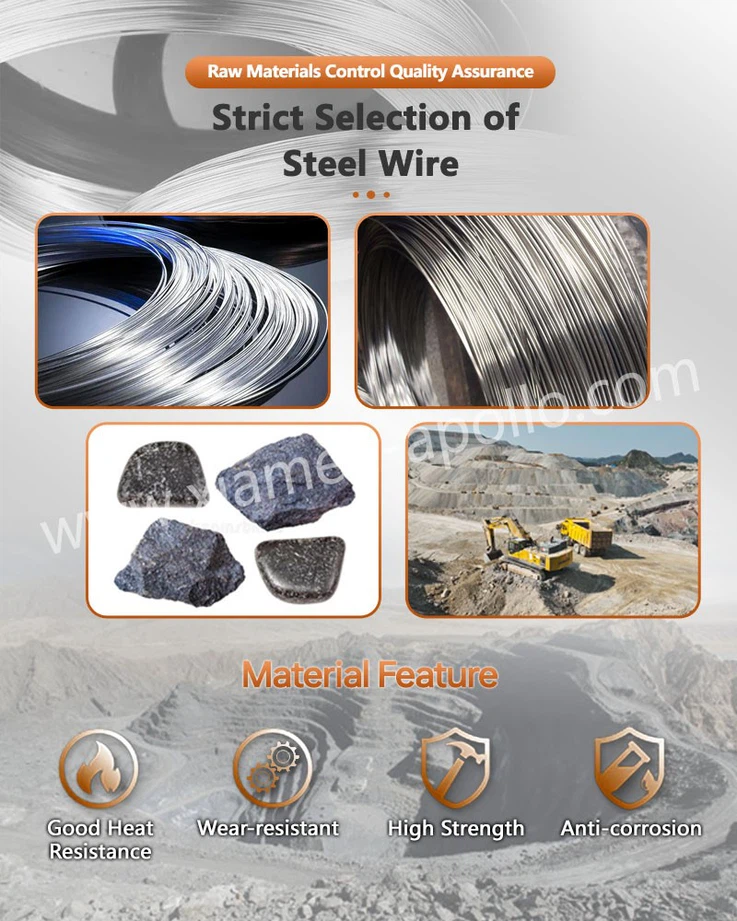
Stainless steel is one of the most commonly used materials for flat-head screws. It boasts excellent corrosion resistance, making it particularly suitable for humid or highly corrosive environments such as bathrooms, kitchens, outdoor construction, and chemical production equipment. Its surface typically exhibits a smooth, silvery-white metallic luster, is resistant to rust, and maintains its structural integrity even after prolonged exposure to moisture or acids and alkalis. Stainless steel screws also offer high strength and stability, making them suitable for various medium- and high-pressure connection applications, such as fixing mechanical equipment, connecting pipeline systems, and assembling automotive parts. They perform exceptionally well under high tensile and shear forces.
Carbon Steel and Alloy Steel
Carbon steel and alloy steel, due to their excellent mechanical properties and high strength, are widely used in fields requiring high-strength fastening, such as heavy machinery manufacturing, bridge construction, and steel structure engineering. Carbon steel screws, after cold working or heat treatment, have improved hardness and toughness, meeting daily high-strength fastening needs. Alloy steel, through the addition of alloying elements such as chromium, nickel, and molybdenum, further enhances its wear resistance and fatigue resistance. Appropriate surface treatments, such as galvanizing, can significantly improve the corrosion resistance of carbon steel and alloy steel screws, extending their service life. Galvanizing creates a uniform zinc layer on the screw surface, which is not only aesthetically pleasing but also effectively isolates the internal steel from external corrosive media, significantly enhancing rust prevention in general industrial environments.
High-Temperature Resistant Materials
In some high-temperature working environments, Flat Top Screws may require good high-temperature resistance. Using high-temperature resistant alloy steel ensures that the screws maintain good strength and stability at high temperatures, preventing deformation or damage. These materials typically operate stably in environments exceeding 300°C, playing a crucial role in connections in engine components, high-temperature furnace equipment, and aerospace equipment. High-temperature resistant alloy steel screws maintain good mechanical properties at high temperatures, preventing connection failures due to material softening and ensuring the safe operation of equipment under extreme conditions.
Application Areas
Machinery Manufacturing and Automation Equipment
In machinery manufacturing and automation equipment, flat-head screws are primarily used to fasten various mechanical structural components, especially in applications requiring smooth and flat surfaces. Their flat-head design ensures the screw is completely flush with the workpiece surface after installation, reducing potential interference from protruding parts or tools. In the assembly of automated production lines, precision machinery, and industrial equipment, Flat Top Screws ensure the tightening force and stability of connections. Particularly in applications requiring vibration, pressure, and frequent disassembly, the reliability and vibration resistance of Low Profile Flat Heads effectively improve the overall performance of the equipment.
Construction and Decoration Industry
In the construction and decoration industry, Flat Head Machine Screws are widely used as a common fastener in the assembly and installation of building structures, furniture, doors, and windows. Thin Flat Head Screws provide a very smooth surface finish, crucial for applications requiring a neat appearance. Especially in furniture manufacturing and building decoration, Flat Face Screws ensure a smooth surface after installation, avoiding the negative impact on decorative effects and user experience that protruding screw heads can have with traditional screws. In building structures, Micro Flat Head Screws are often used to fix walls, ceilings, door and window frames, etc. The adaptability of Countersunk Screws to various materials makes them an ideal choice for cross-domain applications, especially in environments requiring high strength and corrosion resistance, where they provide long-term stable fastening performance.
Electronic and Electrical Equipment
In the assembly of electronic products and electrical equipment, Flush Head Screws are commonly used to connect components such as circuit boards, power modules, and housings. Their flat head design makes them particularly suitable for applications requiring fasteners to be flush with the housing surface, preventing protruding screw heads from affecting appearance and reducing the risk of scratching or damaging other components. In the manufacturing of modern electronic devices such as computers, mobile phones, and home appliances, the fastening force and stability of Pan Head Screws are widely used. Furthermore, Sunk Head Screws are frequently used in the connection parts of electrical control equipment to ensure the robustness and stability of the circuit system, preventing poor contact or loosening under the influence of vibration, thermal expansion, and other factors.
Automotive and Aerospace
Flat Head Screws are widely used in the automotive and aerospace industries. Especially in the connection of high-strength automotive components such as engine parts, body frames, and doors, flat-head bolts, with their excellent fastening effect and reliability, can withstand large loads and vibrations, ensuring the stability and safety of the entire vehicle. In the aerospace field, flat-head bolts are commonly used in the connection of structural components such as aircraft fuselages, cabins, and engine compartments. Considering the requirements of aircraft in extreme temperature and vibration environments, flat-head bolts provide the necessary fastening strength, and their design avoids the safety hazards caused by protruding bolt heads.

Contact Us
Hot Tags: flat head screws, China flat head screws manufacturers, suppliers, factory, M7 Screw Terminal Wire Connectors, OEM Steel Bolts And Screws, Stainless Steel Nut For Screw Bolt, Stainless Steel Screw, M5 Screw Type Terminal Blocks, metal fastener


