


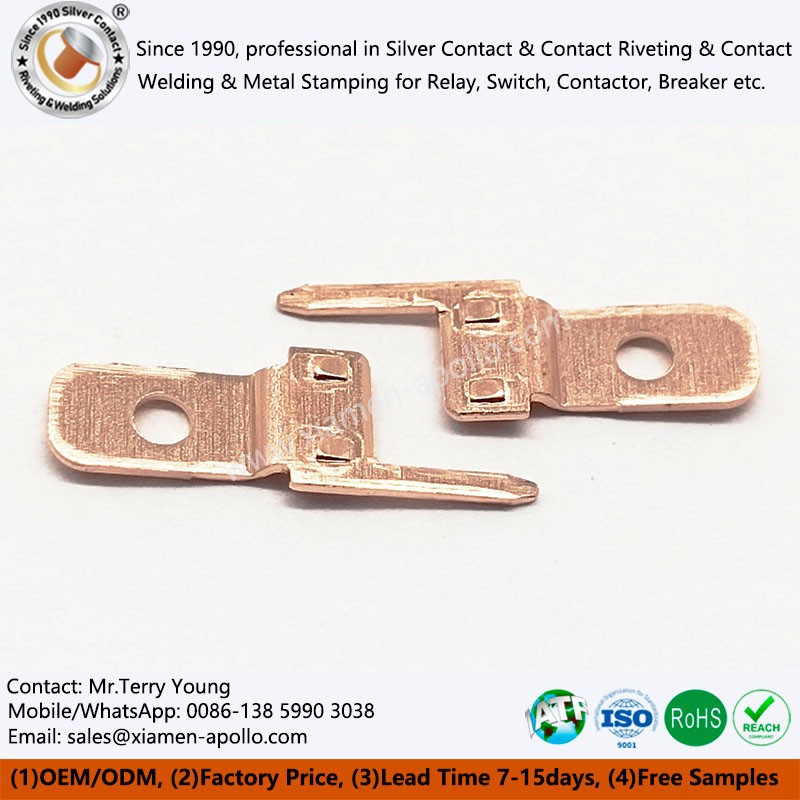
Products Description
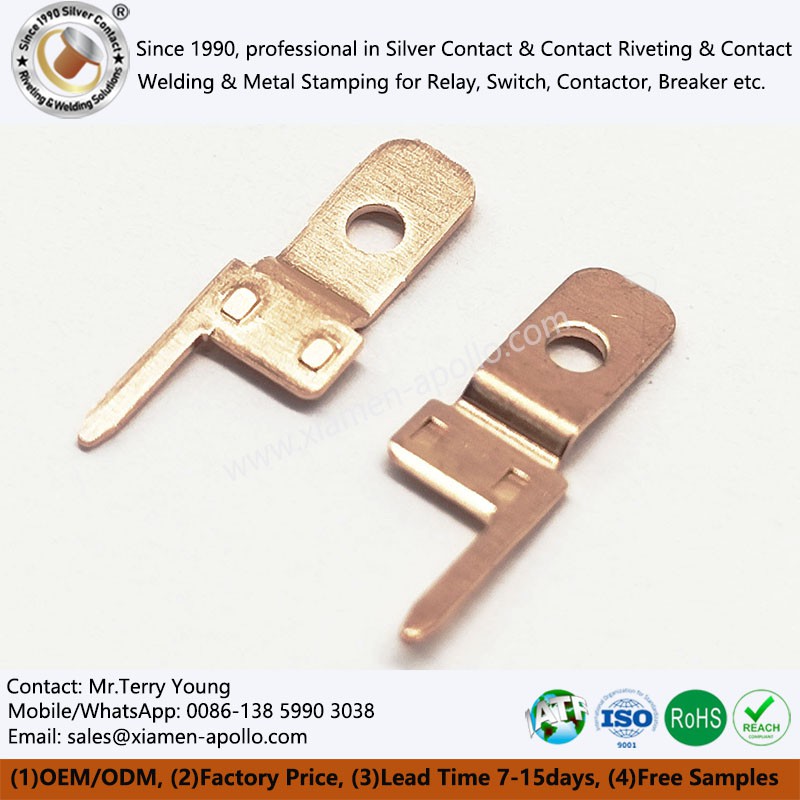
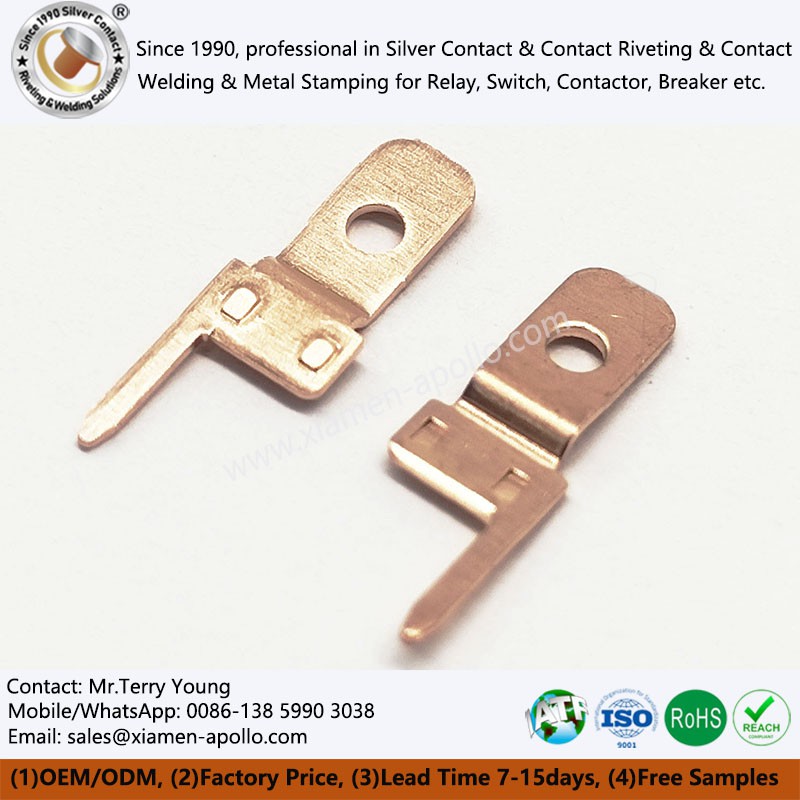
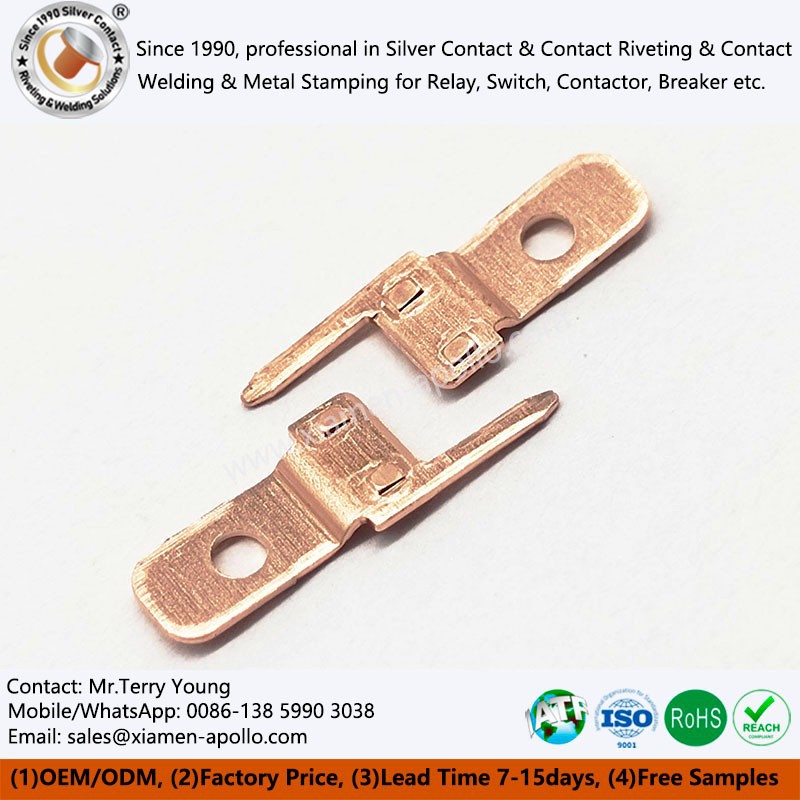
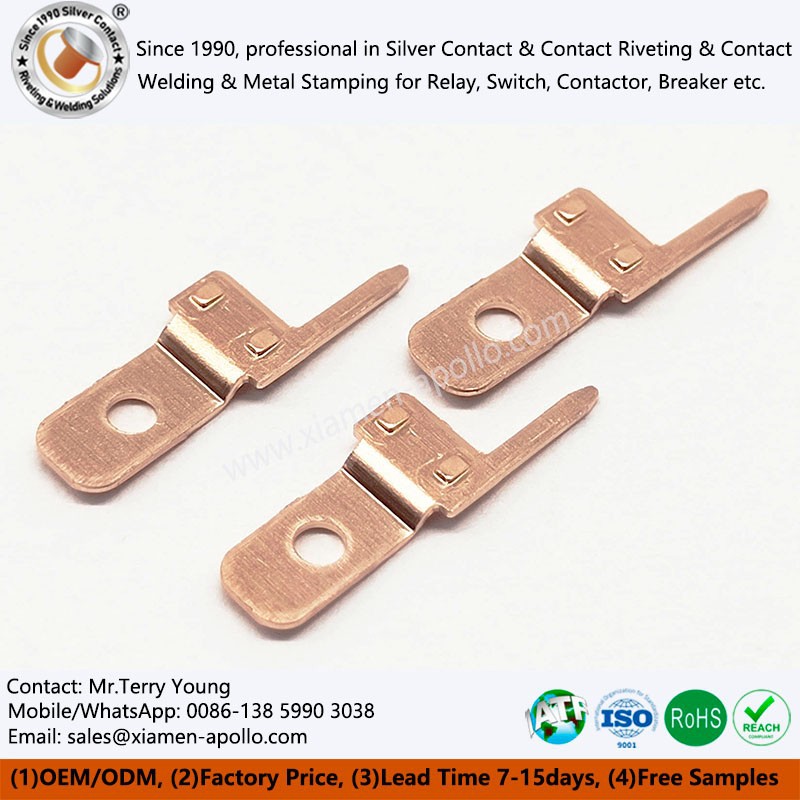
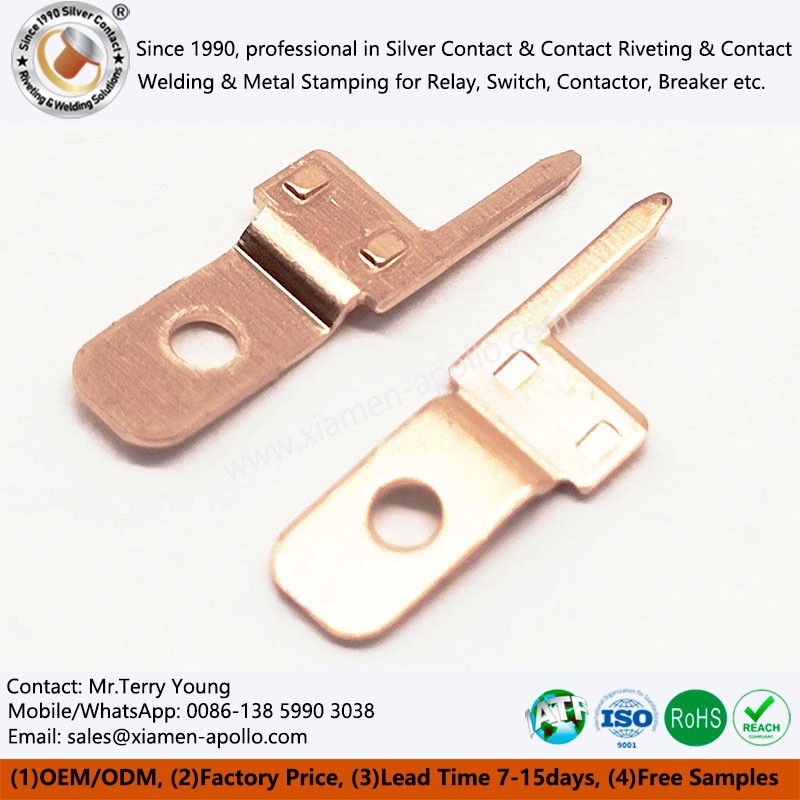
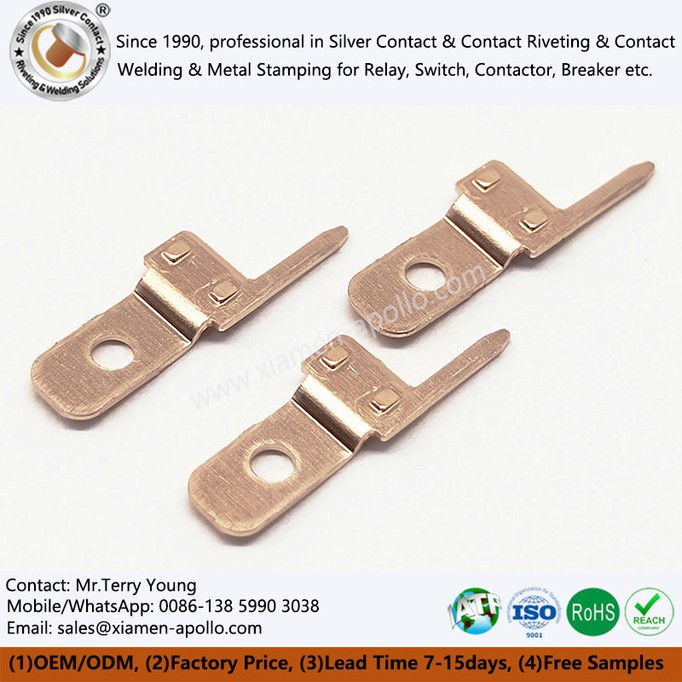
Conductive Copper Alloy Stamping is high-elasticity metal parts made of beryllium copper alloy through precision stamping and aging heat treatment. They are mainly used in relay moving springs, electromagnetic switch springs, and various electrical connection components. This product uses C17200 or C17510 beryllium copper alloy material, and after stamping, it undergoes solution treatment and age hardening to achieve strength limits, elastic limits, and fatigue limits comparable to special steels, while maintaining excellent electrical and thermal conductivity.
Manufacturing Capabilities Analysis
Precision Stamping Capability: Utilizing high-speed precision stamping technology and complex die design, complex structures can be formed in a single pass or through multiple stamping operations. Dual-strip feeding technology improves BeCu Electrical Contact Spring accuracy to ±0.02mm, with material utilization exceeding 80%, reducing production costs while maintaining precision.
Die Design Capability: Possessing an experienced team of die designers and engineers, capable of designing multi-process composite dies for blanking, bending, and forming. For complex structures such as multi-angle bending and micro-hole forming, high-precision manufacturing can be achieved through die optimization for Beryllium Copper Alloy.
Mass Production Capability: High-speed stamping presses combined with an automated feeding system enable daily output of 100,000 to 300,000 pieces, meeting the needs of orders of varying sizes. Through production line optimization and process improvement, efficient mass production is achieved while ensuring the quality of Beryllium Copper Spring Contacts.

Product Advantages
Mechanical Performance Advantages
After heat treatment, C17200 Beryllium Copper Stamping possess high ultimate tensile strength, elastic limit, yield strength, and fatigue resistance comparable to special steels. This means that in applications subject to repeated stress, such as high-frequency switching scenarios in relays, the product can maintain stable mechanical properties over a long period without permanent deformation.
Electrical Connection Advantages
High conductivity and low contact resistance ensure minimal energy loss during current transmission. The conductivity of Beryllium Copper Spring Contacts ranges from 18% IACS to 48% IACS, varying depending on the model and heat treatment state. Low contact resistance is crucial for ensuring stable electrical connections and reducing heat generation.
Environmental Adaptability Advantages
Excellent corrosion resistance and oxidation resistance ensure long-term stable operation in humid, high-temperature, or corrosive environments. Unaffected by nuclear radiation, ultraviolet radiation, and ozone, Beryllium Copper Alloy maintains stable performance even in extreme environments.

Frequently Asked Questions
What is the fundamental difference between BeCu Electrical Contact Spring and stamped phosphor bronze parts?
The core difference lies in the balance of performance characteristics and service life. After undergoing age hardening, stamped beryllium copper parts exhibit strength, elasticity, and fatigue resistance that far exceed those of phosphor bronze; they can withstand tens of millions of high-frequency actuation cycles without undergoing plastic deformation. Furthermore, they possess higher electrical conductivity, generating less heat under high-current loads, making them ideally suited for applications involving high frequencies, high currents, and long service lives. Phosphor bronze, conversely, can only satisfy requirements for low-to-medium frequencies and moderate elasticity; its service life and stability are inferior to those of beryllium copper.
How should one select the appropriate Beryllium Copper Alloy grade (C17200 vs. C17500) based on the specific application scenario?
The primary criterion for selection is the priority assigned to either mechanical strength or electrical conductivity. C17200 is the high-strength variant; following heat treatment, it exhibits superior hardness and elastic limits, making it suitable for high-strength elastic applications such as relay springs and high-frequency electrical contacts. C17500 is the high-conductivity variant; possessing superior electrical conductivity, it is best suited for applications where electrical conduction is the primary priority-such as high-current connectors and power distribution terminals.
Does the age-hardening process for C17200 Beryllium Copper Stamping result in dimensional deformation? How is this controlled?
Age hardening performed after stamping in the soft (annealed) state results in a minute, uniform shrinkage across the part, posing no risk of localized deformation. Control measures include: utilizing an inert-atmosphere furnace to ensure uniform heating while precisely controlling both temperature and duration; incorporating a slight shrinkage allowance into the stamping die design; and optimizing the stamping process to minimize internal stresses, thereby reducing potential triggers for deformation during heat treatment and ensuring overall dimensional stability.
contact us
We specialize in the professional supply of Conductive copper alloy stamping, utilizing carefully selected C17200 and C17500 materials. We offer both standard off-the-shelf inventory and non-standard custom solutions, and can provide performance test reports-covering properties such as elasticity and conductivity-to meet the rigorous operating conditions of diverse industries. We welcome inquiries and technical consultations from engineering and procurement professionals.

Hot Tags: conductive copper alloy stamping, China conductive copper alloy stamping manufacturers, suppliers, factory, BeCu Stamping Parts, Beryllium Copper Flat Spring, Beryllium Copper Precision Stampings, Beryllium Copper Stampings, Beryllium Spring For Relay, Cu Beryllium Spring Contacts


