


Products Description
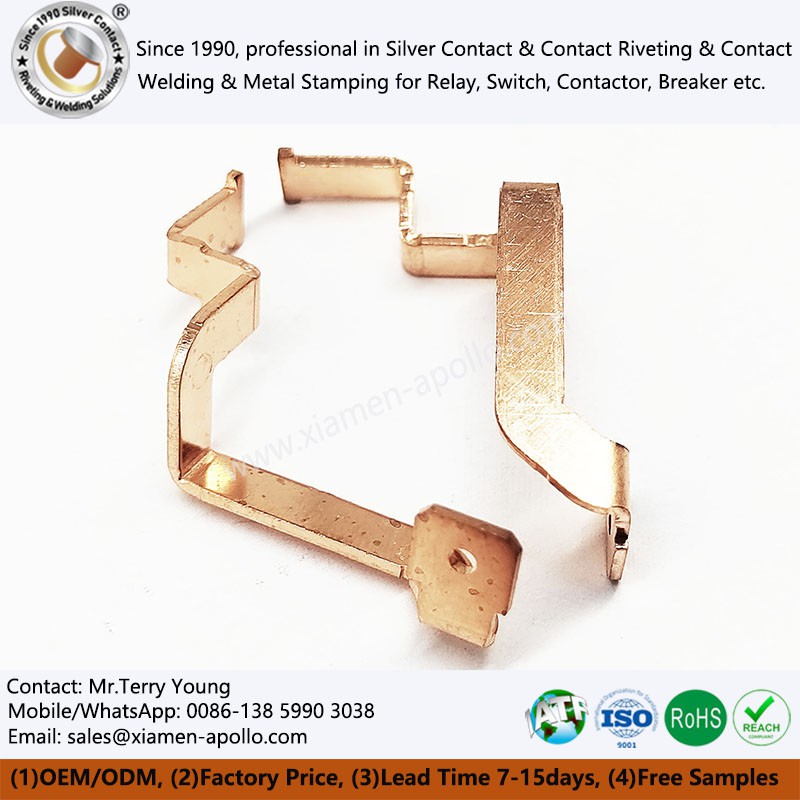
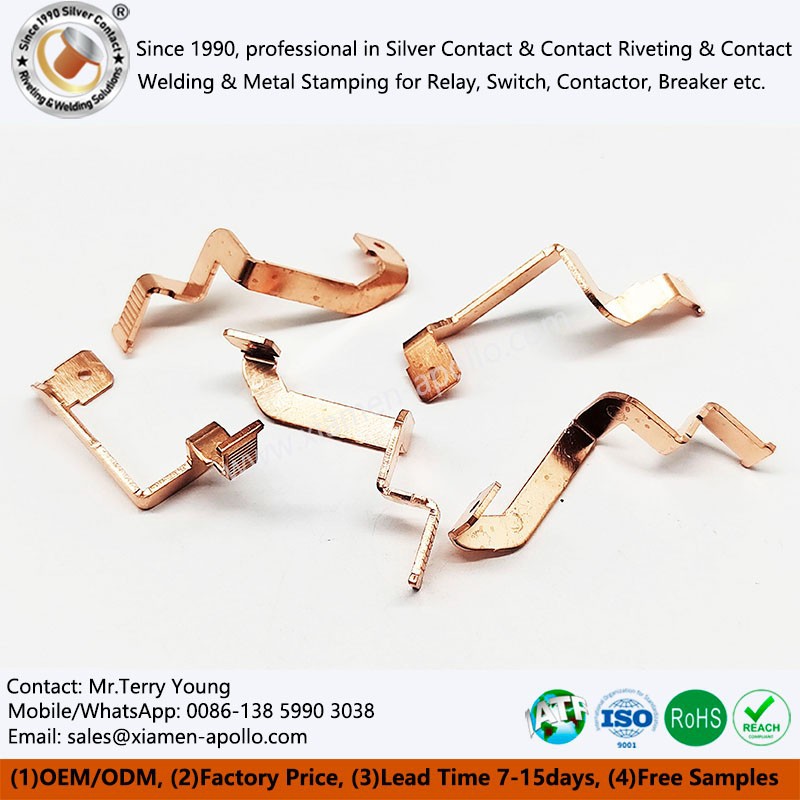
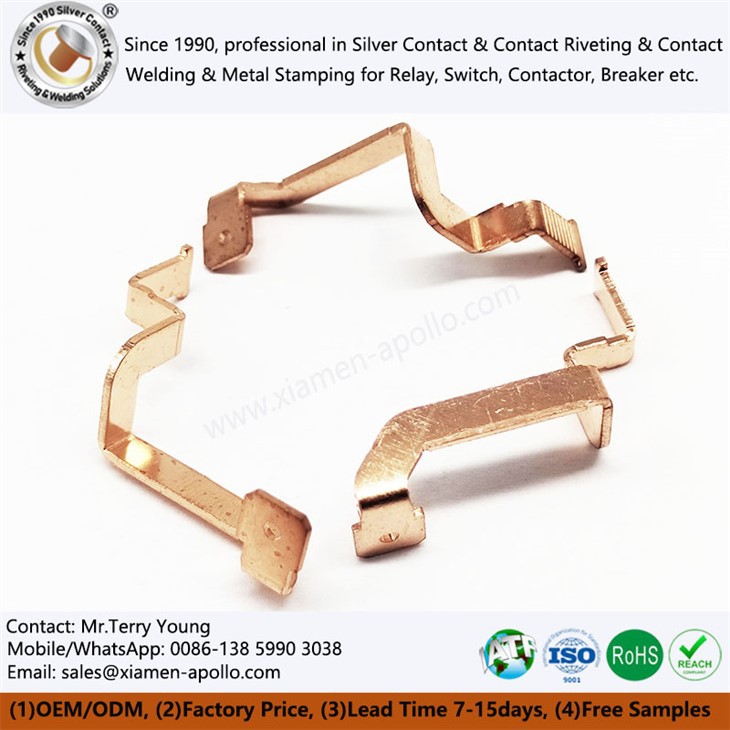
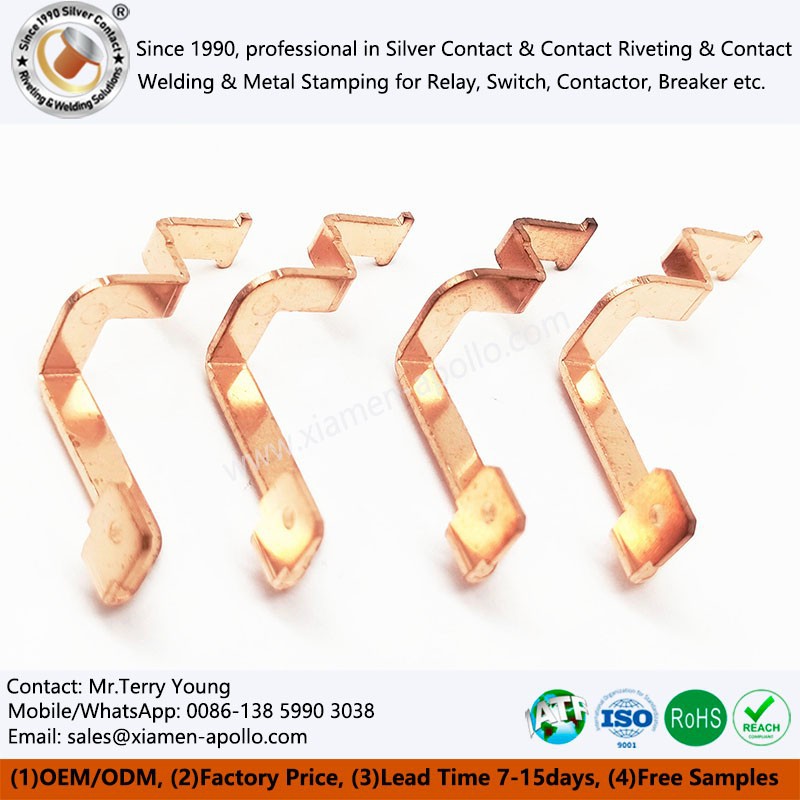
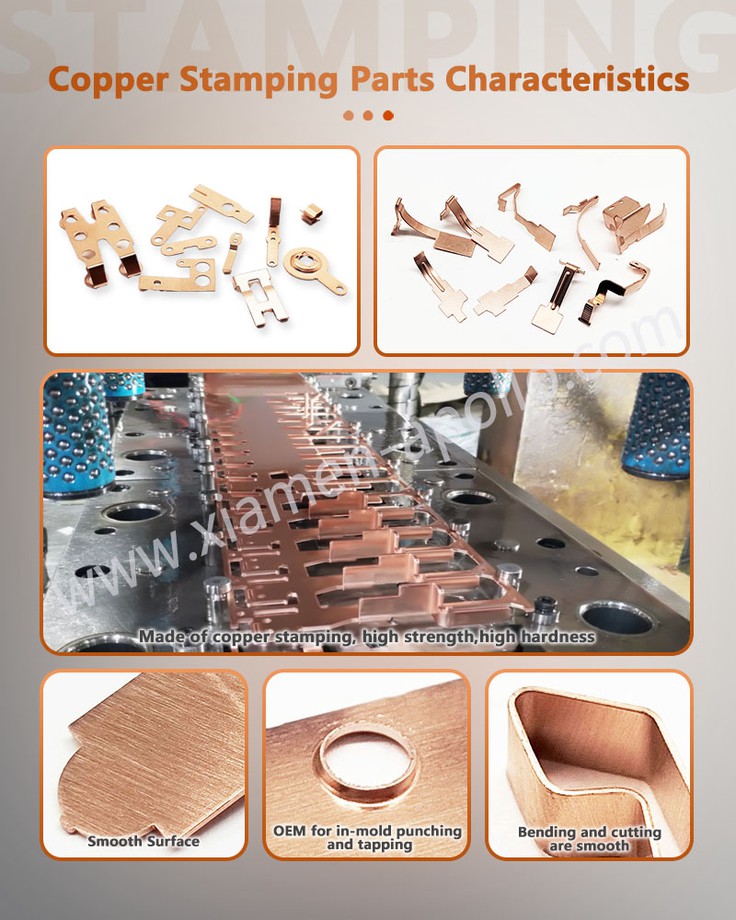
The essence of Copper Stamping Processing lies in fully leveraging the superior physical properties of pure copper (such as T2 pure copper, C1100, etc.). Its operational principle involves utilizing a press machine to drive a die, thereby exerting immense external force upon a copper sheet; this force induces material separation or plastic deformation, ultimately yielding parts of the desired shape and dimensions. In electrical devices such as relays and switches, these stamped components typically serve as bridges for current transmission, elastic contact springs, or conductive loops within electromagnetic systems, thereby directly determining the equipment's electrical conductivity efficiency and mechanical service life.
Core Technical Advantages
Balance of Conductivity and Formability
Compared to other conductive materials, copper offers excellent formability while maintaining high electrical conductivity, making it ideally suited for the stamping of Copper Stamped Parts Components.
01
Consistent Dimensional Accuracy
By utilizing precision stamping dies, the copper stamping process can achieve dimensional tolerances within ±0.01 mm, thereby meeting the rigorous requirements of electrical assembly applications.
02
High Production Efficiency
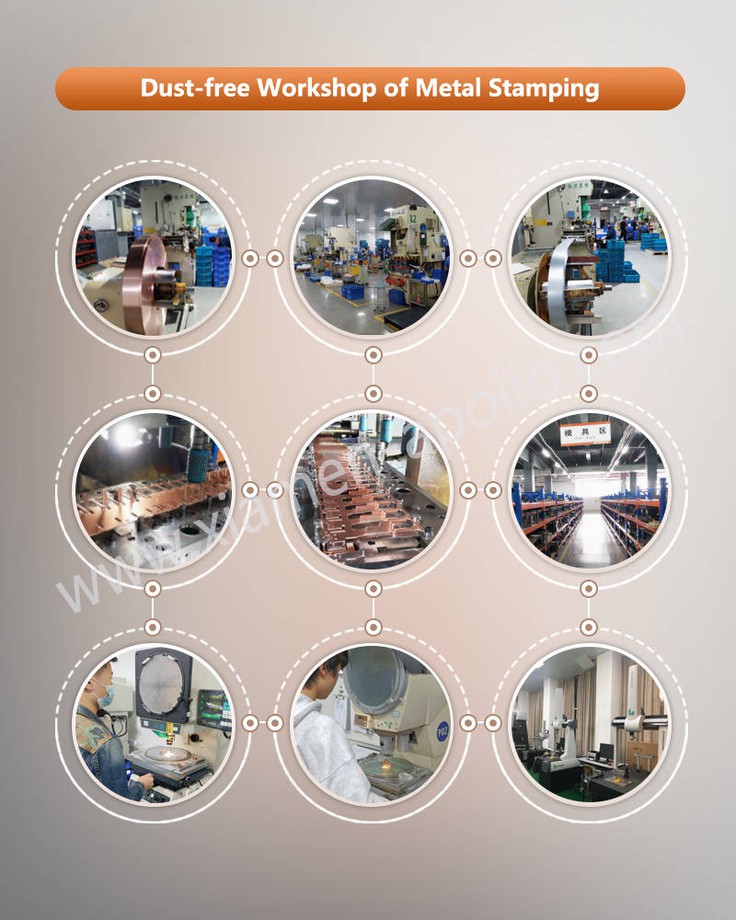
Multi-station progressive stamping processes enable processing speeds of several hundred strokes per minute, effectively meeting the demands of high-volume production for Copper Stamped Components For Electrical Equipments.
03
High Material Utilization
Through optimized nesting and layout designs, the Pure Copper Sheet Metal Stamping Parts for Electric Relay can boost material utilization rates to between 70% and 85%, thereby reducing production costs.
04
Design Advantages
Collaborative Mold Design
By integrating the material properties of red copper with the functional requirements of electrical components, we optimize mold structural designs. We employ anti-stick mold cavity designs to minimize issues such as material adhesion and burrs during the stamping process, thereby extending mold service life and reducing Copper Spring Electrical Parts mold wear during mass production.
Structural Optimization
Based on the assembly requirements of the electrical device, we optimize component structures to streamline the assembly process and eliminate unnecessary parts. Simultaneously, we enhance the mechanical strength and fatigue resistance of the Stamped Copper Terminal, preventing issues such as deformation or fracture during actual use.
Material Matching Design
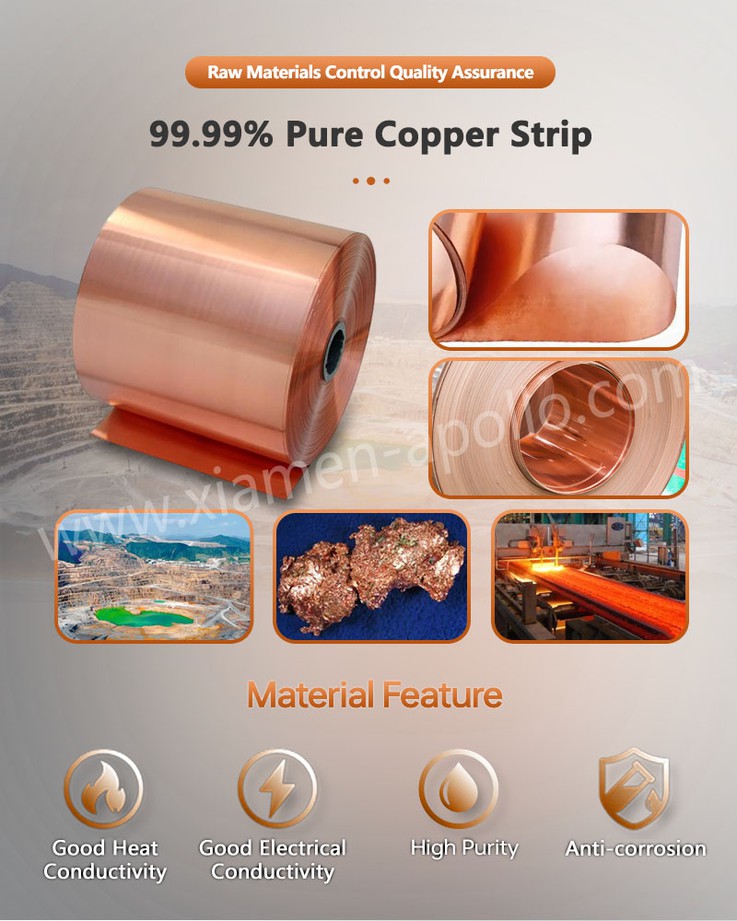
Tailoring our approach to the specific operating environment of the electrical components (e.g., high-current applications or humid conditions), we precisely match the base material with the appropriate surface treatment of Copper Stamped Parts Components. For high-conductivity scenarios, we select high-purity red copper; for humid environments, we incorporate surface plating-such as nickel or silver-to achieve an optimal balance between performance and cost.
Frequently Asked Questions
Why do Copper Stamped Parts Components used in the manufacturing of relays and switches typically require annealing?
Copper undergoes work hardening during the stamping process, causing the material to become brittle and increasing internal stresses. If stress-relief annealing is not performed, the stamped parts become highly susceptible to stress corrosion cracking during long-term use or when subjected to vibration, thereby compromising the reliability of the electrical device. Annealing restores the material's ductility and eliminates internal stresses, making it an essential process for ensuring the long-term, stable operation of the components.
How to ensure the precision of Copper Spring Electrical Parts mounting positions during mass production?
This relies on the design and manufacturing of high-precision progressive dies. By integrating multiple processing steps into a single die set-and utilizing a precision guide pillar and bushing system-positioning errors during each stamping stroke are kept to a bare minimum. When combined with automated feeding systems, this approach ensures a high degree of consistency in hole positioning and bending angles for every copper stamping, even for large-volume orders involving millions of units.
Compared to brass stampings, what irreplaceable advantages do Stamped Copper Terminals offer in electrical applications?
Although brass possesses slightly higher mechanical strength, copper boasts unparalleled electrical and thermal conductivity. In electrical components such as relays and contactors-where strict requirements exist regarding temperature rise and energy consumption-copper can significantly reduce contact resistance and Joule heating, thereby enhancing the overall energy efficiency and safety of the equipment. Consequently, copper stampings remain the preferred choice for use within core conductive circuits.
contact us
For customized processing solutions, material selection recommendations, or sample testing support regarding Copper Stamping Processing, please contact our technical team via the channels listed below; we will provide you with expert process consultation and production solutions.

Hot Tags: copper stamping processing, China copper stamping processing manufacturers, suppliers, factory, 99 99 Silver Plated for Copper Stamping, Electrical Contact Metal Copper Stamping Parts, Metal Stamping Parts Electric Copper, Metal Copper Stamping Parts, Copper Stamping, Copper Stamped Electrical Contacts


