


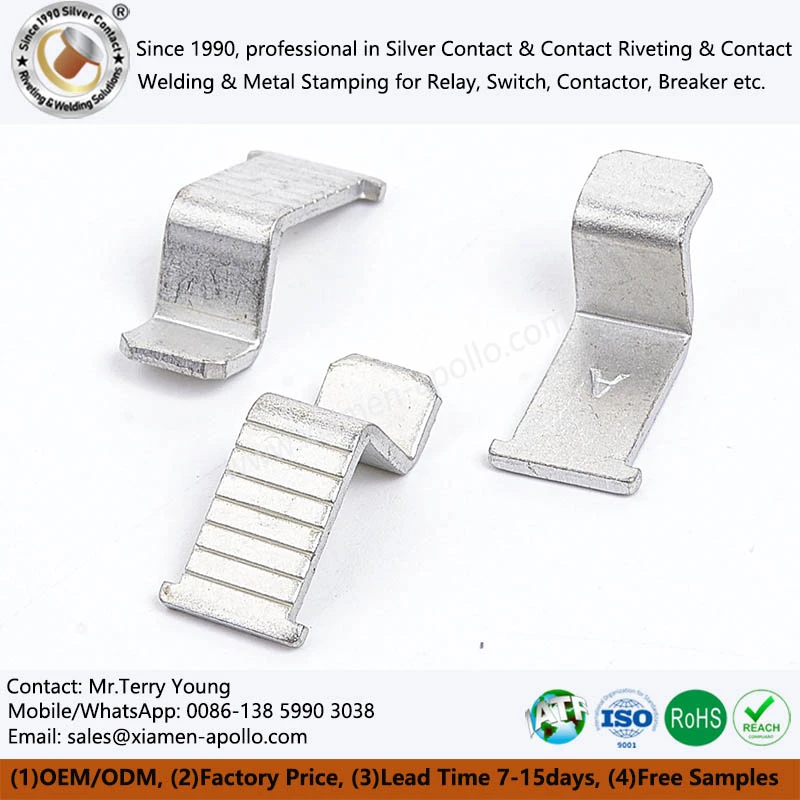
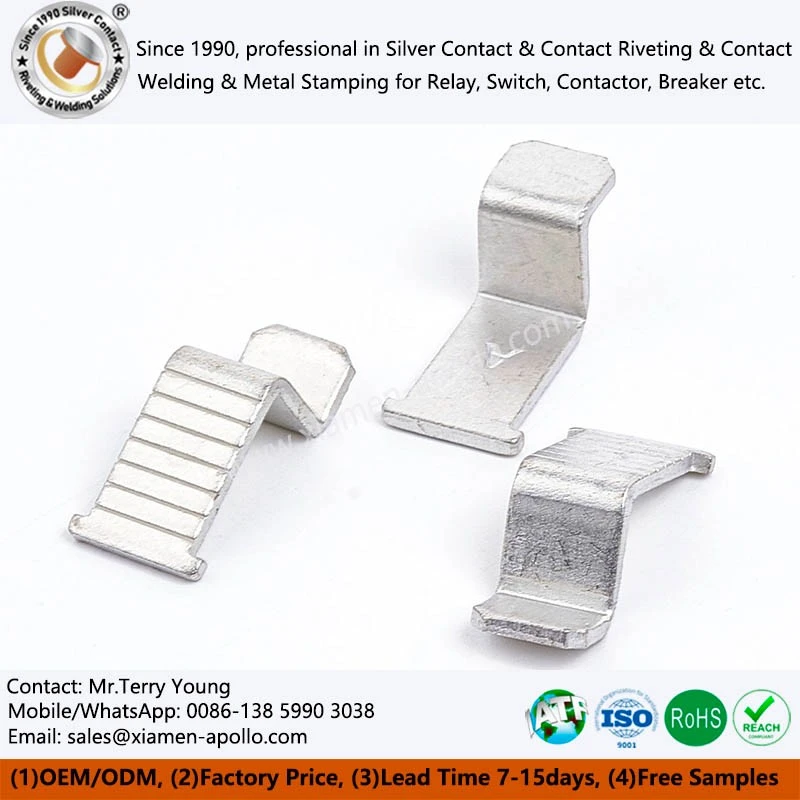
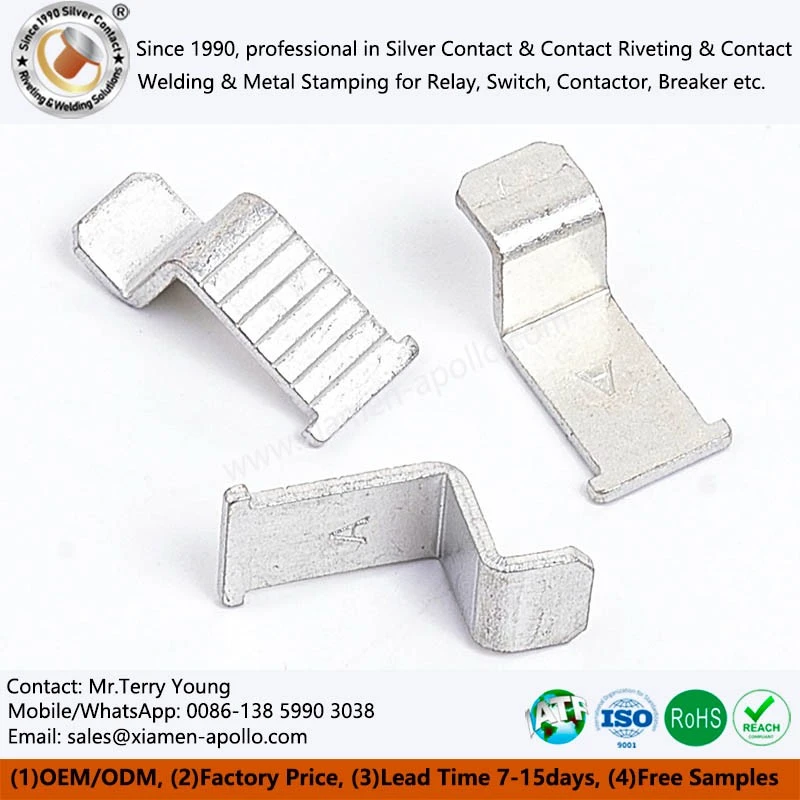
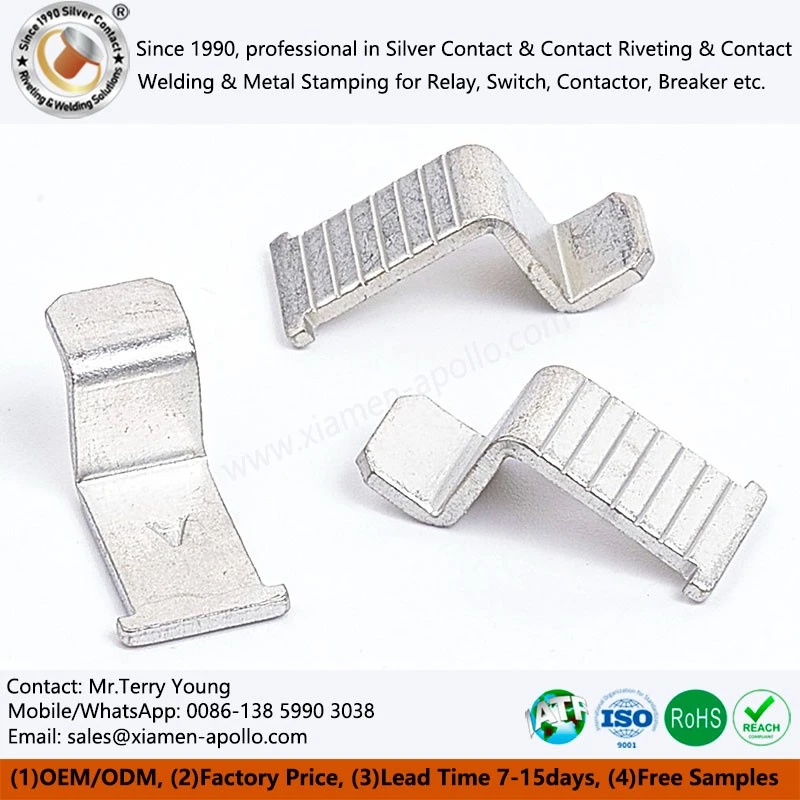
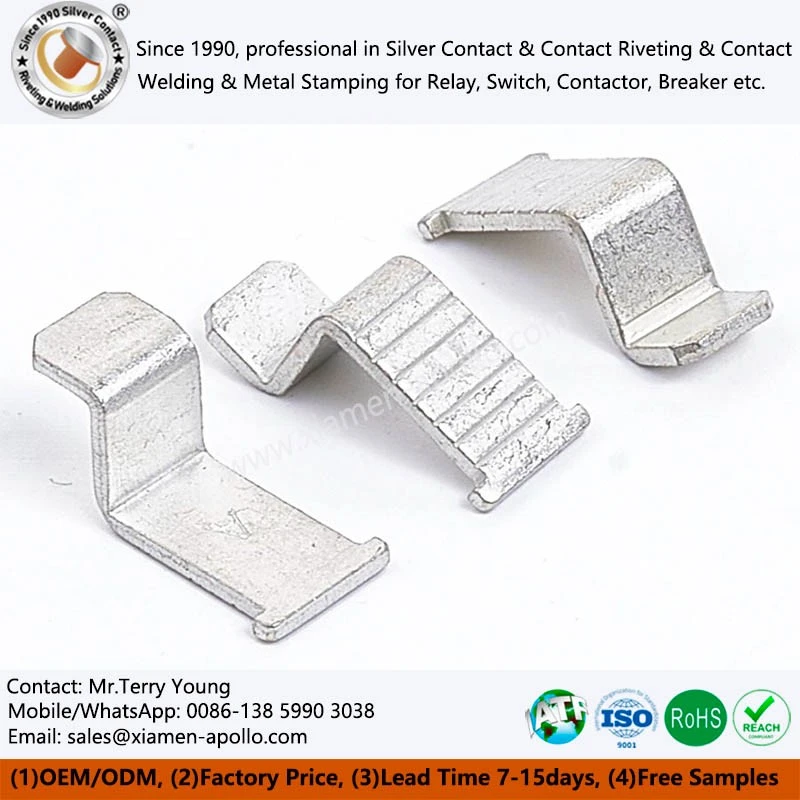
What is the Progressive Die Stamping Service with Copper Parts?
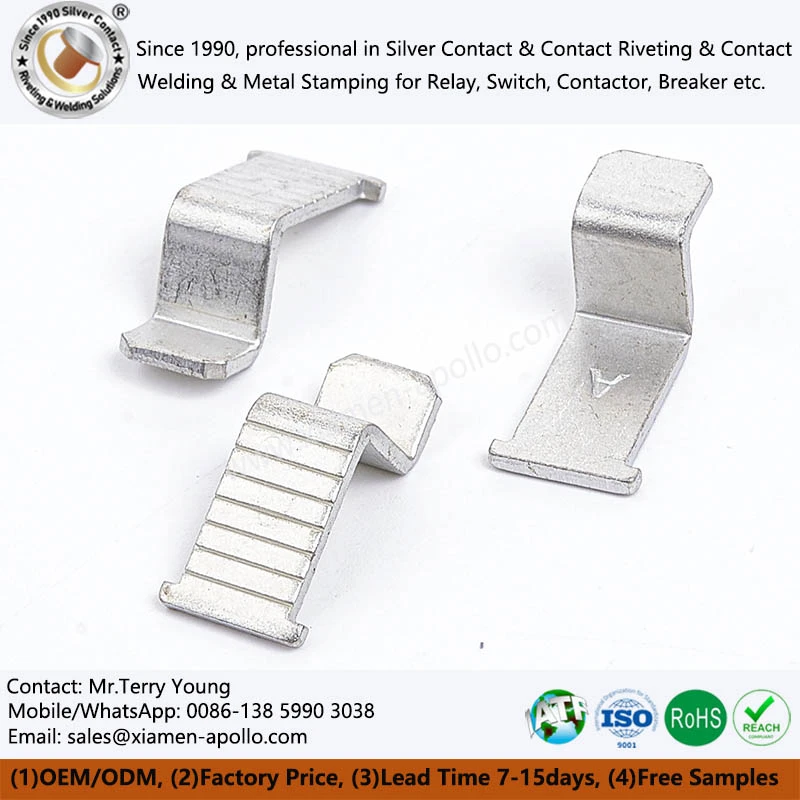
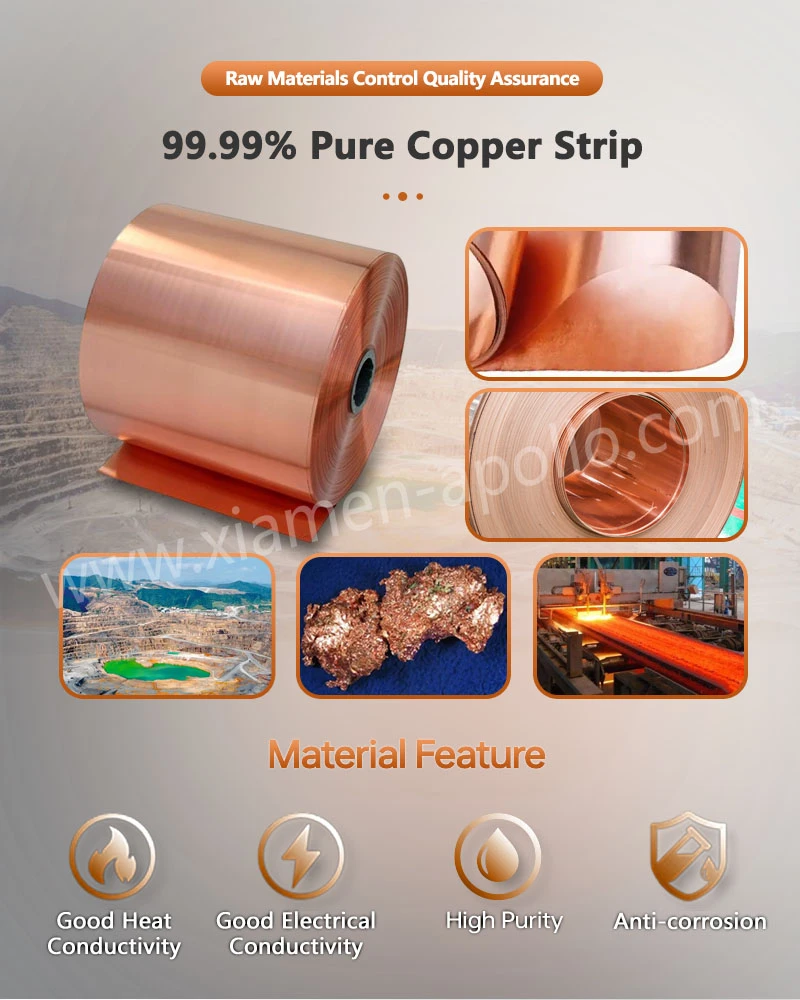
Progressive Die Stamping Service with Copper Parts supports the production of formed copper components for low-voltage switches, circuit breakers, and electrical contact assemblies. Copper offers high electrical conductivity and good formability, making it suitable for current-carrying parts that require controlled geometry, repeatable assembly dimensions, and a defined surface finish.
Electroplating can be specified where the component requires a particular surface condition, solderability, contact interface, or resistance to environmental exposure. The plating metal, thickness, and acceptance criteria should be established according to the electrical and mechanical requirements of the finished assembly.
Custom production can be developed from 2D drawings, 3D models, or approved samples. Before tooling release, the material grade, thickness, dimensional tolerances, plating specification, inspection plan, and annual demand should be confirmed to support practical cost and lead-time assessment.
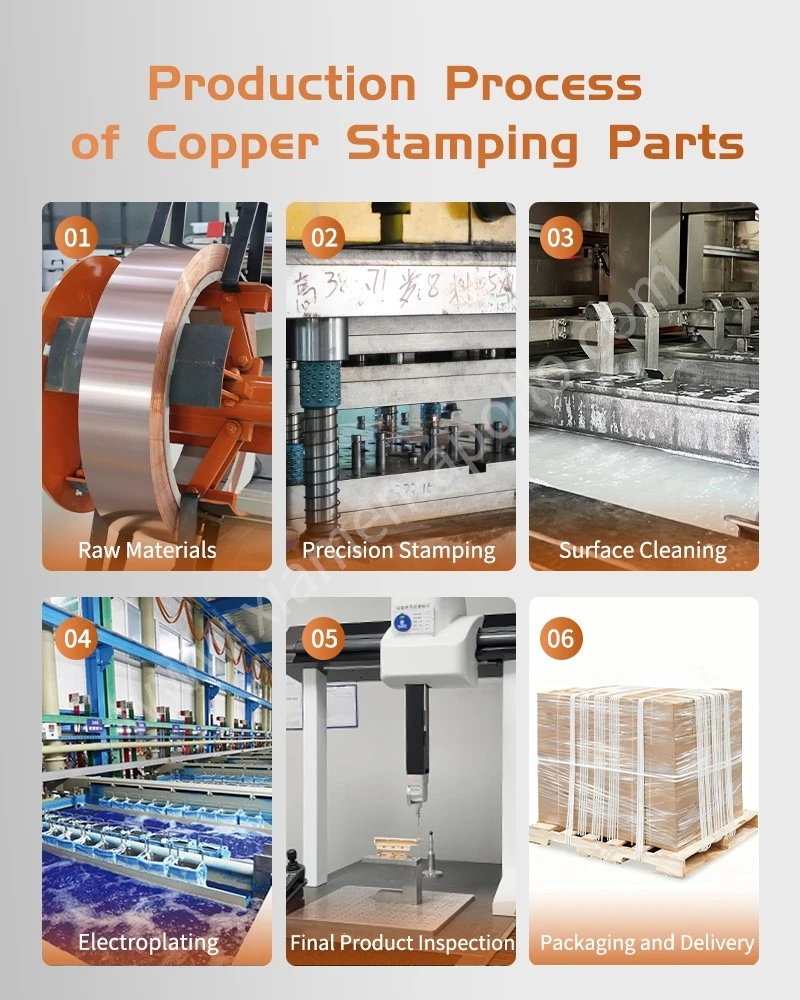
Manufacturing Process & Tooling Integrity of electrical metal stamping
High-Speed Progressive Die Design
High-speed multi-cavity progressive dies are engineered in-house using carbide punches and die inserts. The tooling layout sequences strip piercing, pilot location, coining, and multi-stage air bending without material burr buildup, preserving tight geometry throughout 1000 strokes per minute.
01
Strip Edge and Burr Control
Burr height across sheared contact edges is strictly limited to under 0.02 mm through precise punch-to-die clearances optimized for C1100 temper properties. Eliminating sharp metal overhangs prevents localized electrical field concentration, arcing initiation, and dielectric failure within breaker housings.
02
Continuous Strip Electroplating
Stamped terminals undergo reel-to-reel or automated basket electroplating using nickel underplates followed by continuous silver or matte tin deposits. The process guarantees uniform plating thickness on critical contact touchpoints while maintaining bare edge protection against oxidation during prolonged storage.
03
Automated Optical Inspection (AOI)
100% in-line vision inspection systems verify overall dimensions, hole center distances, coining depth, and plating surface uniformity. Defective parts are automatically blown off the strip line prior to final reel winding or bulk washing.
04
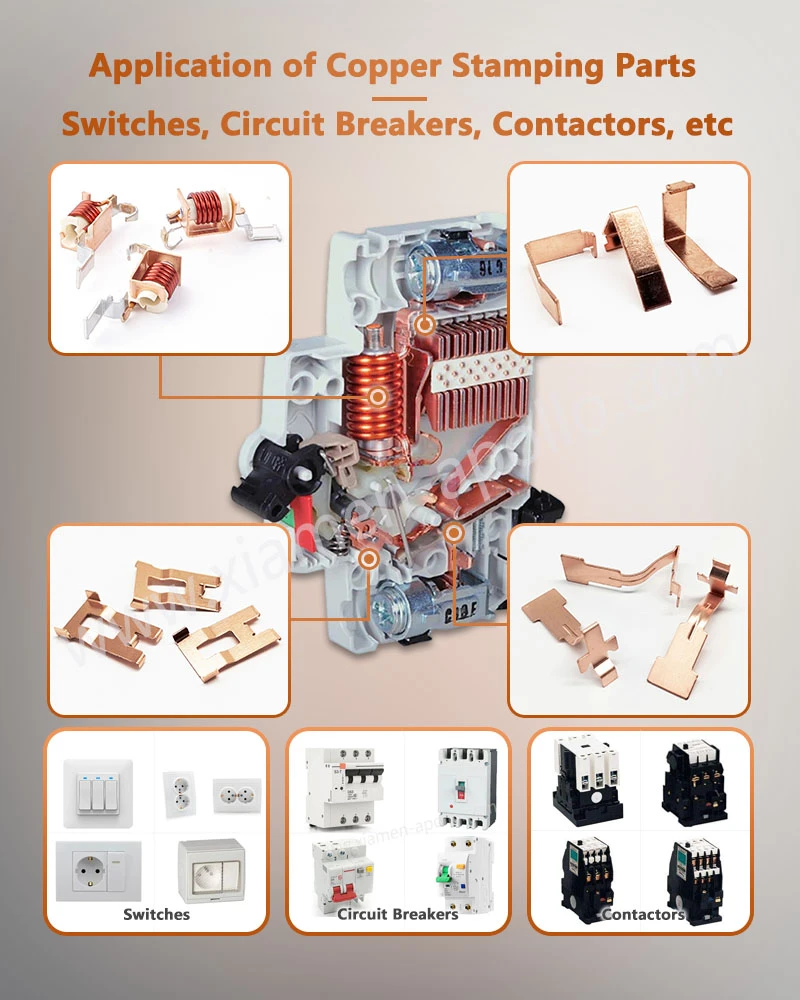
Application Integration & Breaker Reliability of Pressed Copper Stamping Sheet
Molded Case Circuit Breaker (MCCB) Terminals
Engineered as stationary and moving conductor paths inside 63A–630A MCCBs. The low contact resistance of silver-plated C1100 copper reduces internal millivolt drop and total watt loss during continuous thermal current carrying.
Miniature Circuit Breaker (MCB) Current Paths
Designed for tight internal geometries within 18mm DIN-rail MCB enclosures. The high yield strength of work-hardened pure copper allows compact stamped profiles to withstand magnetic repulsive forces during short-circuit trip conditions.
Switch Disconnector Contact Blades
Customized bent and coined copper blades provide high contact pressure against spring terminals in load break switches. The silver plating resists surface oxidation in high-humidity industrial panel environments.
Residential Smart Meter Latching Relays
Optimized for low-energy drive mechanisms in smart grid latching switches. Precision thickness tolerances maintain predictable contact force curves, lowering driving coil energy requirements during switching cycles.
Frequently Asked Questions about OEM Precision Copper Sheet Metal Stamping
How does C1100 copper compare to brass for Copper Stamped Pressing Cutting Assembly Parts?
+
-
C1100 pure copper provides over 100% IACS electrical conductivity compared to 28% IACS for C2680 brass. This drastically lowers watt loss and thermal rise under continuous AC/DC load inside low-voltage switchgear assemblies, preventing thermal tripping failures.
Why is silver plating preferred over tin for breaker copper parts?
+
-
Silver plating maintains an extremely low contact resistance (≤ 0.35 mΩ) and prevents surface fretting corrosion under high operating temperatures (above 100°C), whereas tin electroplating risks whiskering and higher oxidation rates under continuous arcing conditions.
How do you prevent plating peeling during severe post-stamping bending?
+
-
Plating adhesion is maintained by applying a 1–2 µm semi-bright nickel strike before silver or tin deposition, combined with strict surface degreasing protocols. Bend tests verify zero flaking along tight internal bend radii.
What dimensional tolerances can progressive die stamping maintain on C1100 copper?
+
-
With carbide progressive tooling and servo-driven feeders, critical pitch dimensions, hole diameters, and form angles are maintained within ±0.01 mm, while strip coining depth tolerances are held within ±0.008 mm.
How do you control burrs on high-purity soft copper stampings?
+
-
By maintaining custom punch-to-die clearances strictly between 3% and 5% of material thickness, combined with high-precision die guide pillars and frequent tool sharpening cycles, edge burrs are consistently limited below 0.02 mm.
contact us
Submit your copper component drawings, plating requirements, and annual volume now to obtain a factory-direct quotation for Progressive Die Stamping Service with Copper Parts, including tooling review, sample validation, and production scheduling.
Hot Tags: progressive die stamping service with copper parts, China progressive die stamping service with copper parts manufacturers, suppliers, factory


