


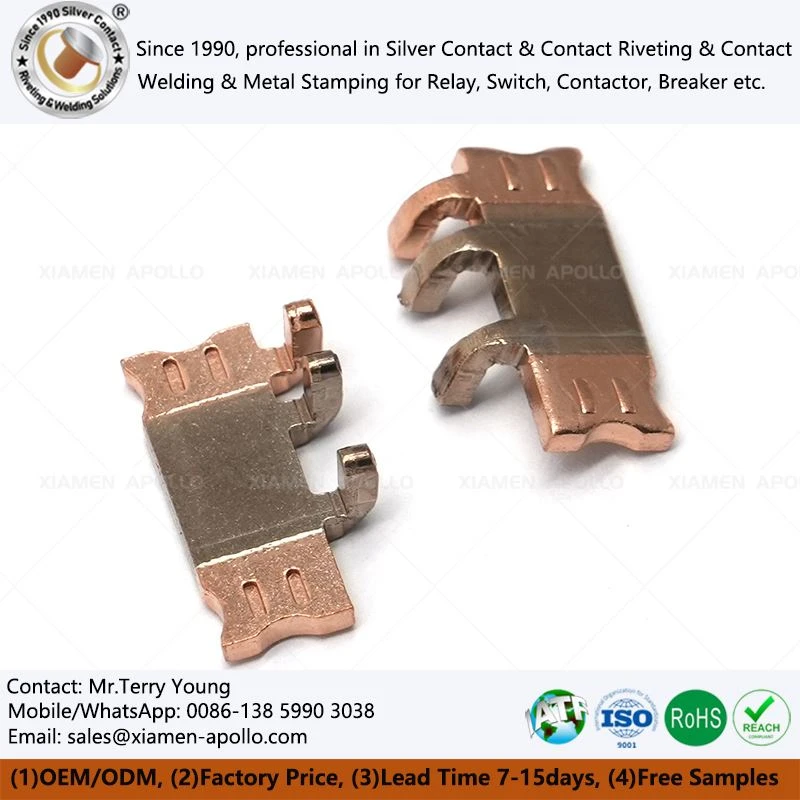
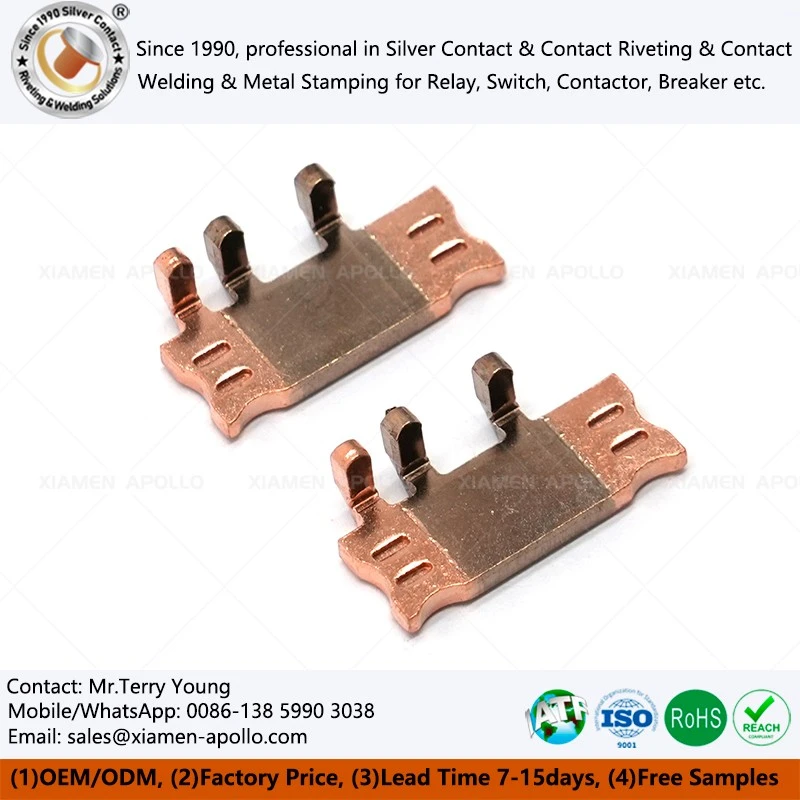
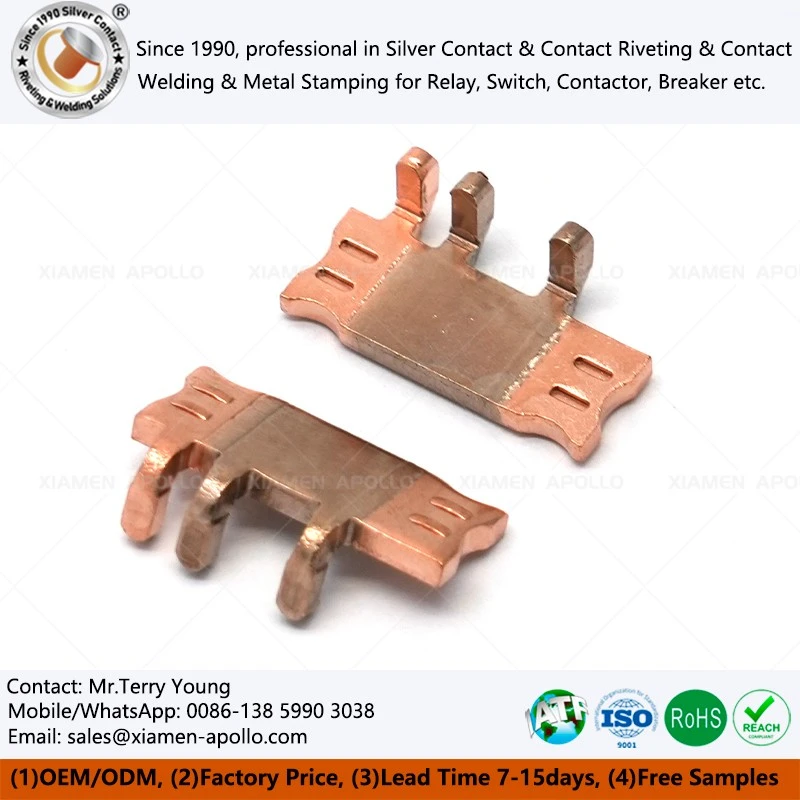
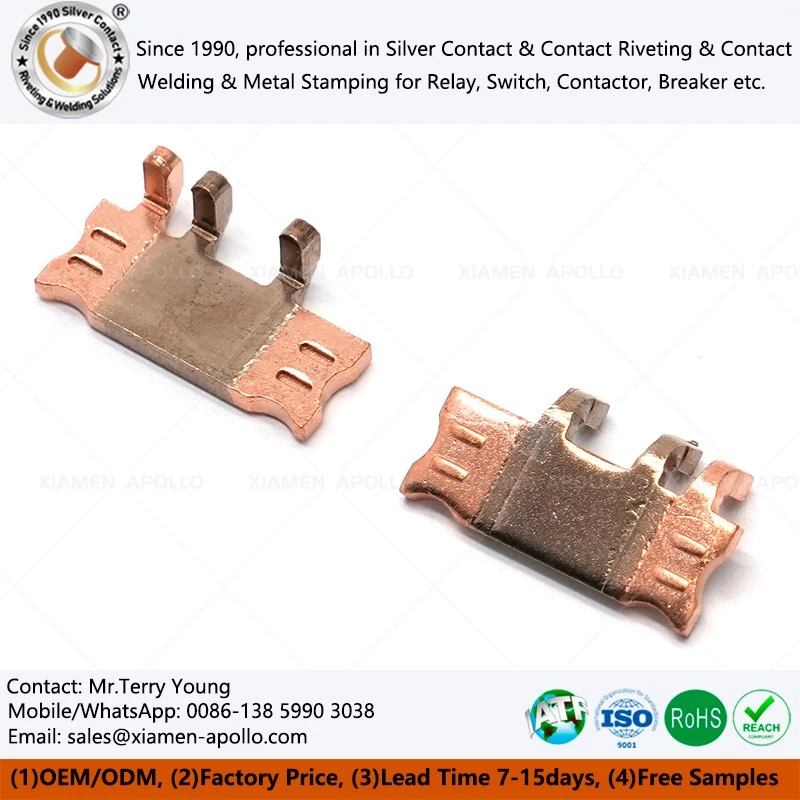
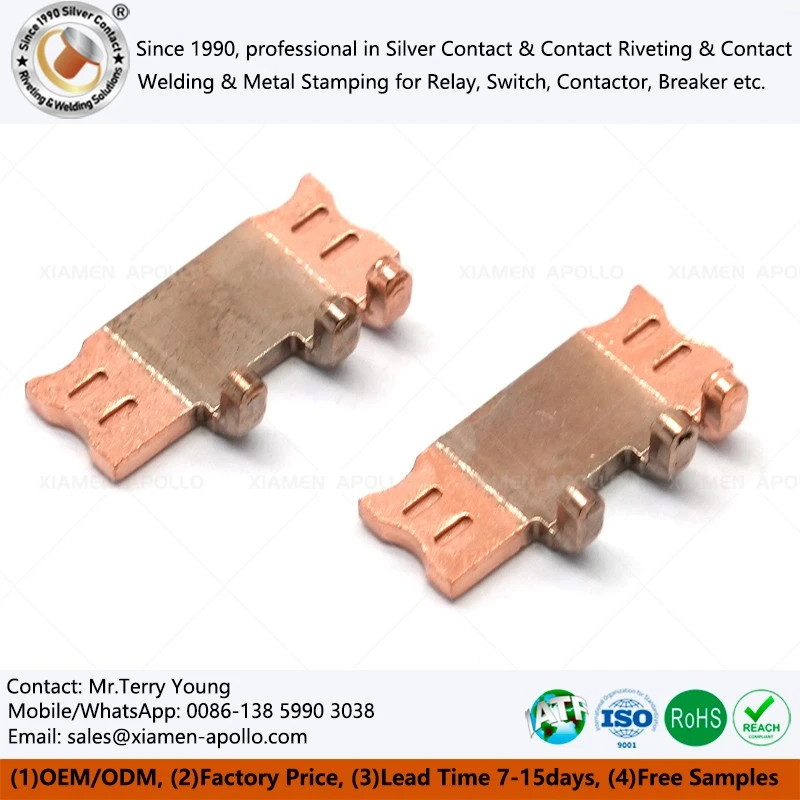
Products Description
The E-Beam Welding Manganin Electrical Shunt is a high-precision resistive element for high-current detection. Its core function is to convert the large current flowing through the circuit into a weak voltage signal that can be recognized by the measurement system. This product uses vacuum electron beam welding technology to precisely connect a low-temperature-coefficient manganese-copper alloy resistive element with a high-conductivity copper terminal, forming a current sampling assembly with excellent thermal stability and long-term reliability.
In modern power electronic systems, the accuracy of current measurement directly affects the operating efficiency and safety of the entire system. As the front-end element for current sampling, the performance of the Electron Beam Welded Shunt determines the reliability of the metering results. From current detection in single-phase energy meters to status monitoring in new energy vehicle battery management systems, and overcurrent protection in industrial frequency converters, this product plays an irreplaceable role.

Manganese-copper alloy material properties
Extremely Low Temperature Coefficient of Resistance
The typical temperature coefficient of resistance of 6J13 manganin-copper alloy is below ±25 ppm/°C, which is among the best in precision resistance alloys. This characteristic allows the E-beam Welding Shunt to maintain extremely high measurement accuracy over a wide temperature range, meeting the stringent temperature stability requirements of high-precision current sampling applications.
01
Stable Resistivity
The resistivity ranges from 0.38 to 0.44 μΩ·mm²/mm, with good batch-to-batch consistency, facilitating precise design and control of resistance values. Manganin Shunt For Electronic Power leverages this stable resistivity characteristic to achieve controllable resistance values and batch-to-batch consistency throughout the entire process from design to mass production.
02
Low Thermoelectric Potential
The thermoelectric potential of manganin-copper alloy paired with copper is extremely low, reducing additional measurement errors caused by temperature gradients. In the application scenario of Magnetic Shunt for Latching Relay, the low thermoelectric potential effectively suppresses sampling errors caused by local temperature rise during relay switching, improving the reliability of the overall control system.
03
Excellent Machining Performance
6J13 manganese-copper alloy can be precision-formed through cold rolling, stamping, and other processes, resulting in excellent edge quality and meeting the requirements of miniaturization and high-density assembly. The manufacturing process of Spot Welding for Manganin Shunt Resistor fully utilizes the excellent cold working performance of manganese-copper alloy, ensuring that the geometric accuracy of the resistance area meets design requirements.
04
Excellent Oxidation Resistance
The naturally formed oxide film on the surface of manganese-copper alloy has good protective properties and is not easily further oxidized under normal environmental conditions, ensuring long-term resistance stability. During long-term outdoor operation, the Manganin Latching Relay for Single Phase relies on this oxidation-resistant property of manganese-copper alloy to maintain the long-term stability of the sampling resistance value, reducing the risk of meter drift.
05

Technical Advantages of the EBW Process
Vacuum Environment Ensures Weld Purity
The welding process is completed in a vacuum chamber, effectively avoiding contamination of the weld by atmospheric oxygen, nitrogen, water vapor, etc. For copper-manganese copper dissimilar metal welding, interface purity is paramount-even trace amounts of oxides or impurities can increase contact resistance or create sources of thermoelectric potential drift. This is a core technological prerequisite for ensuring the long-term stable metrological accuracy of the Manganin Shunt for Energy Meter.
High Energy Density for Deep Penetration Welding
The electron beam energy density can reach 10⁵~10⁷ W/cm², enabling single-pass welds with depths ranging from several millimeters to tens of millimeters. For thicker shunt terminals, electron beam welding can achieve complete penetration in a single pass, eliminating the need for multiple weld passes. This results in aesthetically pleasing welds with a narrow heat-affected zone, effectively controlling temperature rise errors and resistance deviations in the Resistor Manganese Shunt for Electric Meter.
Precise Heat Control Reduces Thermal Stress
The energy input of the electron beam can be precisely controlled. Combined with the unique heat conduction characteristics of a vacuum environment, this allows for precise control of the thermal cycle during welding. This is particularly important for manganese copper materials, as excessive heat input can alter the microstructure of the manganese copper alloy, thereby affecting its resistance-temperature characteristics. Precise heat control in electron beam welding ensures consistent performance of manganin-copper materials after welding.
Reliability of Dissimilar Metal Welding
Copper and manganin-copper differ in physical properties and chemical composition, making it difficult to achieve high-quality dissimilar metal connections using traditional welding processes. Electron beam welding's high energy density and vacuum environment make it an ideal process for joining copper and manganin-copper dissimilar metals, producing welds with excellent metallurgical bonding and extremely low defect rates, fully meeting the high-current, high-reliability, and long-term full-load electrical operating conditions required for Manganin Shunt with 100A for Electrical applications.

Industry Application Cases
Single-Phase Smart Meters
Residential single-phase smart grid meters, industrial and commercial single-phase prepaid meters, and remote meter reading smart terminals incorporate core sampling components, replacing traditional Spot Welding for Manganin Shunt Resistors, reducing the after-sales metering error repair rate.
01
Single-Phase Latching Electromagnetic Relay
Single-phase meters feature a built-in magnetic latching relay. The integrated shunt combines current sampling and magnetic shunt conduction functions, reducing relay housing size and assembly time. Original equipment manufacturer (OEM) parts, including the relay yoke and silver contacts, are provided, offering a one-stop metal component supply service for relay manufacturers.
02
High-Power Power Electronic Control Equipment
Photovoltaic inverters, energy storage converters, and charging piles utilize single-phase power circuit current sampling. Under continuous full-load conditions with high current, stable heat dissipation via electron beam welding and low resistance drift meet the long-term stable operation requirements of industrial-grade power equipment. A 200A high-current specification EBW Manganese Copper Shunt is available for customization.
03
Portable Electrical Testing Instruments
Single-phase power meters and handheld power calibration devices feature a built-in E-Beam Welding Manganin Shunt for Smart Energy Meter. Wide temperature tolerance and precise dimensions allow for compact internal space design suitable for portable devices.
04

contact us
Given the complexity and stringent accuracy requirements of current sensing solutions, we strongly recommend that you consult with our technical engineering team thoroughly before placing an order. Contact us today and send us your circuit schematic or technical specifications so we can provide you with optimal selection advice for the E-Beam Welding Manganin Electrical Shunt, as well as free sample testing services.

Hot Tags: e-beam welding manganin electrical shunt, China e-beam welding manganin electrical shunt manufacturers, suppliers, factory, Copper Manganin Shunt Resistor, ETP Copper Shunt Terminal For Power Magnetic Latching Relay, latching relay shunt terminal, Manganin Shunt For Single Phase Latching Relay, Prepayment Meter Shunts, Static Copper Plate With Manganese


