


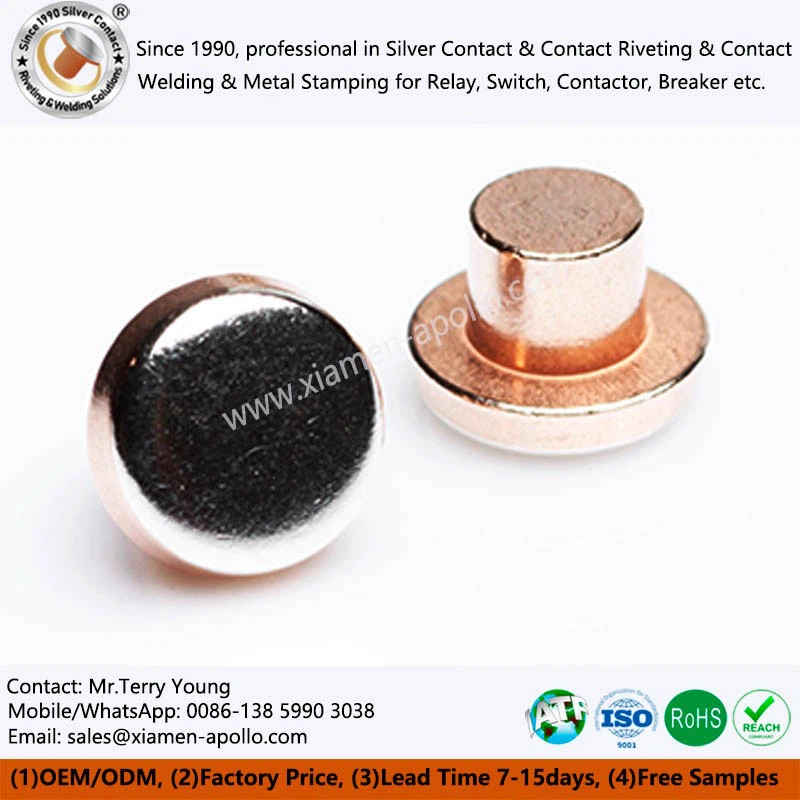
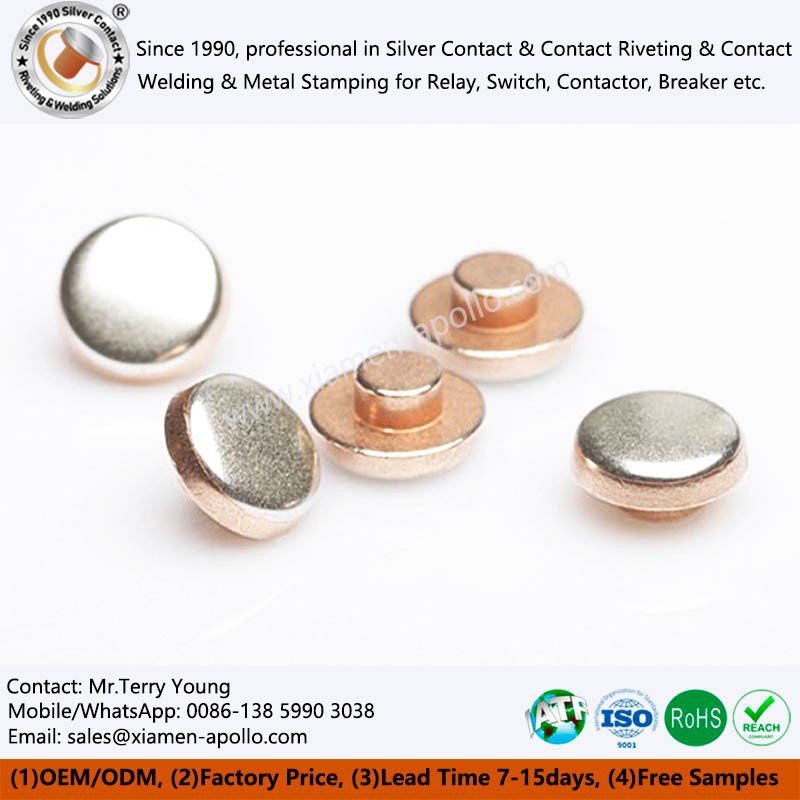
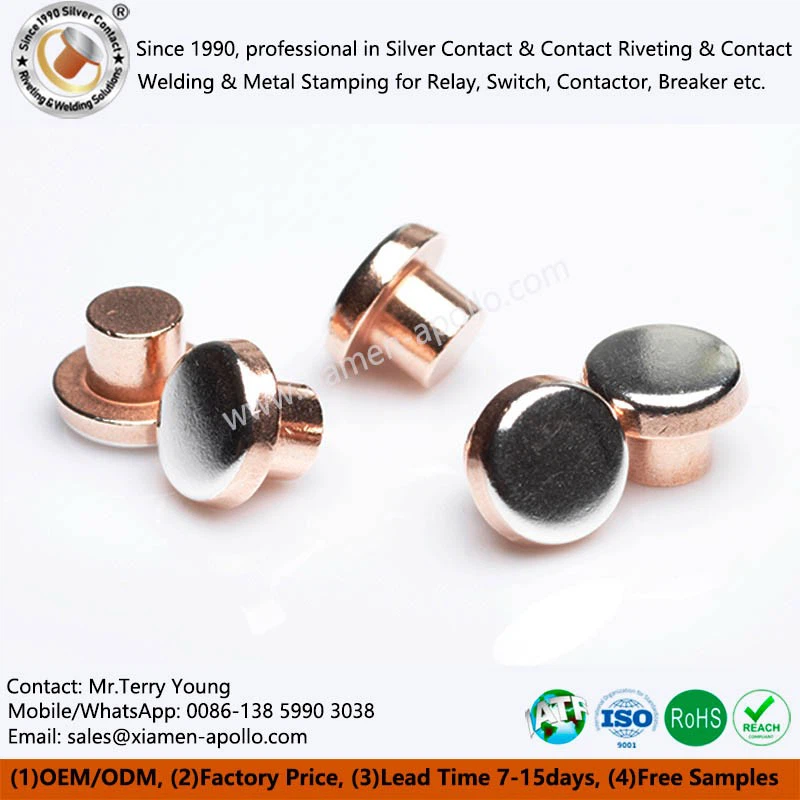
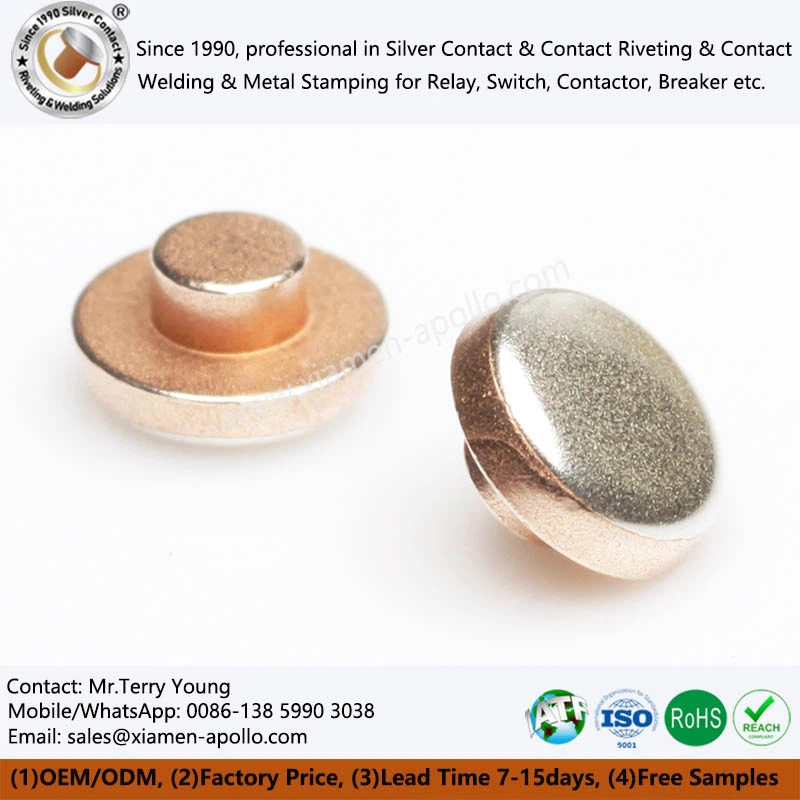
What are Slip Ring Contacts?
Slip Ring Contacts serve as critical conductive bridges within continuous rotary electromechanical interfaces, transferring electrical signals and power between stationary housings and rotating shafts. These specialized components face severe mechanical wear and electrical arcing during high-speed rotation, making material density and contact resistance stability paramount for system longevity. Operating as a direct production source, our facility manufactures precision-engineered contacts utilizing advanced cold-heading and high-speed stamping technologies. Designed for R&D engineers and QA directors demanding strict metallurgical integrity, our components integrate high-conductivity base metals with specialized silver alloy tips to withstand demanding industrial rotary duty cycles.

Key Selection Parameters of Sliding Electrical Contacts
Material Grade and Alloy Composition
Selecting the correct alloy dictates both mechanical wear resistance and electrical performance under rotational friction. Copper alloy bases like C1100 provide high thermal conductivity, while silver‑tin oxide (AgSnO₂) tips resist welding and material transfer during live circuit switching inside rotary joints.
01
Dynamic Contact Resistance Management
Rotary applications require stable electrical paths to prevent signal degradation and micro‑interruptions. Our Sliding Electrical Contacts maintain low dynamic resistance across millions of revolutions by optimizing surface finish and minimizing microscopic bouncing during brush‑to‑ring engagement.
02
Mechanical Bonding Integrity
The structural junction between the precious metal tip and the substrate must withstand continuous centrifugal forces. Using precision cold‑heading techniques, we achieve atomic‑level diffusion bonding that eliminates delamination risks under high‑RPM operating conditions.
03
Dimensional Precision and Tolerances
Deviations in Bi-metal Silver Contact Point height or radius cause uneven brush pressure and accelerated mechanical wear. We utilize multi‑station progressive stamping dies to hold strict micron‑level tolerances across high‑volume production batches.
04

Production Process of Silver Electrical Contacts
Raw Material Inspection and Spectrometry
Incoming wire rods and strip metals undergo rigorous chemical composition analysis using optical emission spectrometry to verify compliance with strict metallurgical standards before processing begins.
Precision Cold Heading and Stamping
Raw materials are fed into high‑tonnage cold headers and progressive stamping presses, shaping the rivet heads or stamped terminals with exact geometrical profiles and zero internal micro‑voids.
Automated Optical Sorting and Inspection
Every finished batch of Silver Electrical Contacts passes through high‑resolution optical inspection systems to screen out surface flaws, dimensional drift, or burrs before final packaging and shipping.
Cleaning, Passivation, and Packaging
Contact Points undergo ultrasonic cleaning to remove residual drawing oils, followed by anti‑oxidation passivation and vacuum moisture‑barrier packaging to ensure pristine shelf life.

Frequently Asked Questions about Electrical Contact Point
What is the primary advantage of using AgSnO2 tips for Sliding Electrical Contacts?
+
-
AgSnO2 alloy tips offer exceptional resistance to arc erosion and contact sticking compared to pure silver, ensuring longer service life in power‑switching rotary applications under frequent load interruptions.
How does your factory test the bonding strength of Electrical Contact Point?
+
-
We utilize destructive shear testing equipment and metallographic cross‑section analysis to verify that the interface between the precious metal tip and substrate exceeds minimum industrial tensile thresholds.
What is the standard minimum order quantity (MOQ) for custom slip ring components?
+
-
Our flexible production lines accommodate prototype batches starting at 1,000 pieces, scaling efficiently to millions of units for high‑volume manufacturing schedules.
How do you prevent oxidation on copper‑based contacts during transit?
+
-
All parts undergo chemical passivation and are packed in vacuum‑sealed anti‑static bags containing desiccants to eliminate atmospheric moisture exposure prior to assembly.
What international quality certifications do your manufacturing facilities hold?
+
-
Our production lines operate strictly under IATF 16949 automotive quality management systems, with full RoHS and REACH compliance documentation provided upon request.

contact us
Ready to evaluate our factory‑direct Slip Ring Contacts for your next project? Submit your technical drawings or material specifications to our engineering team today to receive a comprehensive quotation, detailed material test reports, and complimentary prototype samples within 24 hours.

Hot Tags: Slip Ring Contacts Wholesale, Custom Slip Ring Contact Manufacturer, China Electrical Contact Factory, AgSnO2 Slip Ring Contact Tips, Low Resistance Rotary Switch Contacts, High‑Conductivity Copper Alloy Contacts, Bimetal Rivet Contacts For Slip Rings, OEM Electrical Relay Contact Components, Micro‑Motor Slip Ring Contact Parts, Spring Loaded Electrical Contact, Bimetal Contact Rivets, Bimetal Electronic Contacts, Electrical Bimetal Silver Contacts, Bimetal Electrical Silver Contact Point, Bimetallic Silver Contacts


