The enclosure serves as a physical interface separating the precision internal components of a relay from a complex external environment. In power-grid latching relay applications, the Relay EMI Shield Cover functions as a critical, specialized enclosure component. Typically manufactured from cold-rolled carbon steel and finished with a powder coating, these shields are designed specifically for smart meters. They block external electromagnetic interference (EMI) originating from the power grid or adjacent electronic modules, ensuring the stable and reliable bistable operation of the latching relay. Designing such a shield requires balancing seemingly contradictory requirements: it must be robust enough to withstand external mechanical forces, yet also provide a controlled pathway for the exchange of electrical, magnetic, and thermal energy. Protective performance is not merely a simple concept of "safeguarding," but rather the result of an integrated set of targeted solutions-the effectiveness of which directly dictates the reliability and service life of the relay within a given application.
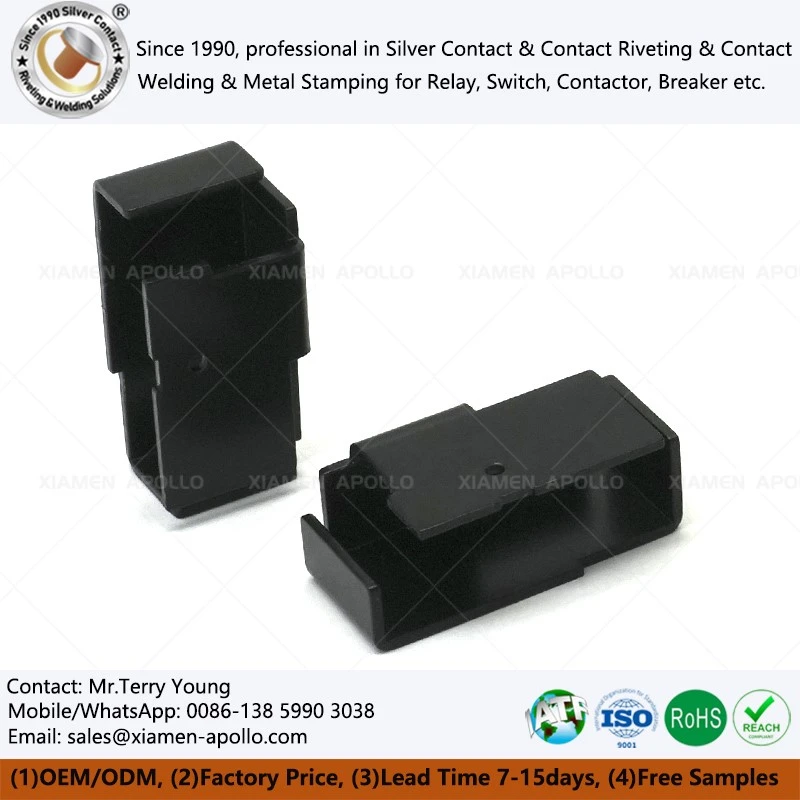
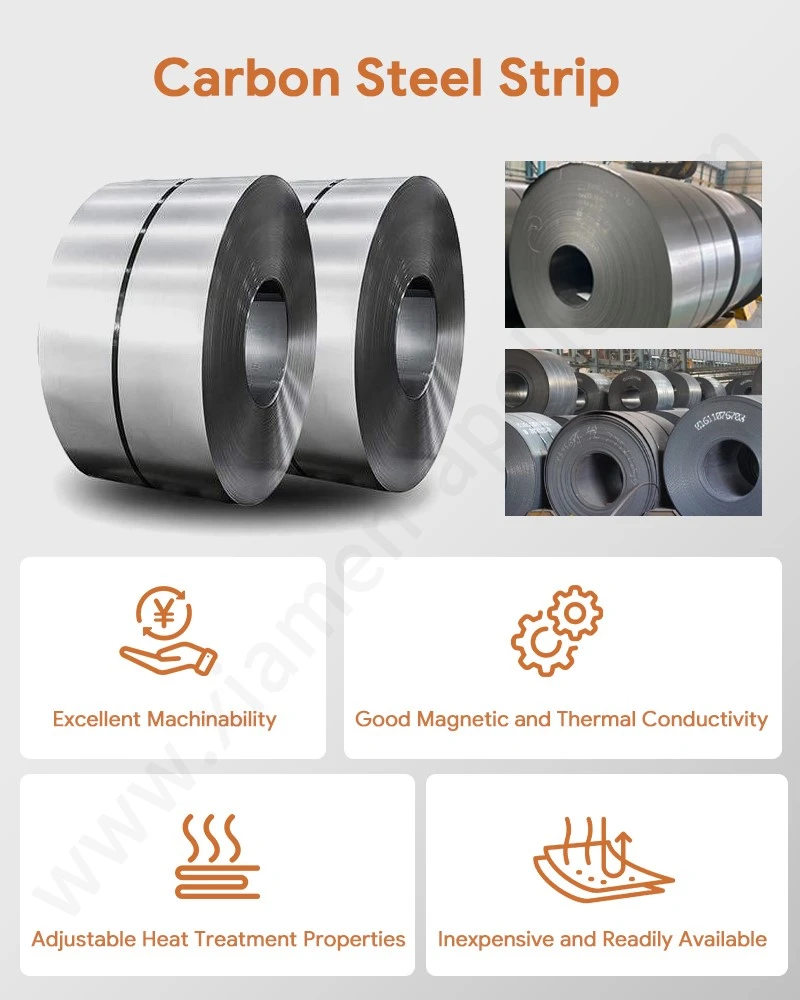
Material selection is a foundational decision in enclosure design, extending well beyond basic physical protection. Engineering plastics, such as PBT or nylon, are widely used-not only for their insulating properties and mechanical strength, but also for their stable dielectric characteristics and flame retardancy, which help mitigate risks during electrical faults. For the EMC requirements of smart meter latching relays, cold-rolled carbon steel is the preferred base material for Magnetic Latching Relay Metal Cover. Its high magnetic permeability allows it to absorb and redirect low-frequency magnetic fields, preventing external magnetic interference from disrupting the relay's internal permanent-magnet circuit. A powder-coated finish further enhances the shield's resistance to moisture, rust, and wear, all while preserving its electromagnetic shielding capabilities. Factors such as structural seams, bending precision, and coating processes significantly influence both shielding effectiveness and corrosion resistance; this is not a simple matter of material substitution, but rather a comprehensive engineering design process.
The specific details of the structural design directly determine the reliability of both the protection and the electromagnetic shielding. The wall thickness and the layout of reinforcing ribs in an enclosure not only influence its resistance to impact and deformation but also dictate the heat dissipation paths for internal components. For Relay Shield Covers made of cold-rolled carbon steel-commonly used for latching relays-the sheet thickness, bending tolerances, and flange-joint configurations are the primary determinants of low-frequency magnetic field shielding effectiveness. Sealing designs often incorporate elastomeric gaskets (e.g., silicone or rubber); in such cases, parameters like compression ratio, aging characteristics, and resistance to temperature extremes are critical. Ventilation is sometimes required to balance internal and external air pressure or to facilitate heat dissipation; this is typically achieved through labyrinth-style structures or waterproof, breathable membranes, which allow for minimal air circulation while blocking liquid water and dust. Following the forming process, the thickness of the powder-coated layer must be strictly controlled; an excessively thick coating can disrupt the electrical continuity at contact interfaces, thereby compromising electromagnetic shielding performance.
The methods used to secure and mount an enclosure are integral to its overall protective system. Factors such as the tightening torque for screws and the engagement force and durability of snap-fit mechanisms must be precisely calculated to ensure uniform pressure across sealing surfaces while preventing deformation caused by installation stress. When mounting an enclosure via panel cutouts, the design of its flanges and the selection of appropriate mounting gaskets are essential for preventing the ingress of external agents along the mounting interface. In the assembly of smart meters, the fit tolerances, snap-fit fasteners, or riveting structures for a Relay Shield Housing must ensure a tight interface with the latching relay itself, without interfering with the movement of internal components-such as the armature or permanent magnet assembly-which could otherwise alter the magnetic circuit characteristics and lead to unintended triggering.
Different application environments impose distinct requirements on enclosures.
- In industrial automation control cabinets, enclosures primarily face challenges from dust, oil mist, and occasional condensation, making dust protection and moisture resistance the key design priorities.
- Conversely, relays located within automotive engine compartments must withstand continuous vibration, wide temperature fluctuations, salt spray, and exposure to various chemical agents. Consequently, the materials used for such enclosures must exhibit excellent weather resistance and resistance to stress cracking, while the mounting methods must be designed to prevent loosening.
- Smart electricity meters represent a primary application area for powder-coated, cold-rolled carbon steel EMI shield covers for relays. Within these meters, communication modules on the PCB and impulse noise from the power grid can easily generate magnetic interference.
- Our Relay Protective Covers for latching relays effectively isolate the components from external magnetic fields, preventing unintended switching (accidental opening or closing of contacts) and ensuring the stability of both metering and load control.
- For relays used in outdoor power equipment, the enclosure design must also account for additional challenges, such as UV-induced aging, exposure to rain and snow, and potential intrusion by biological elements (e.g., insects or small animals).
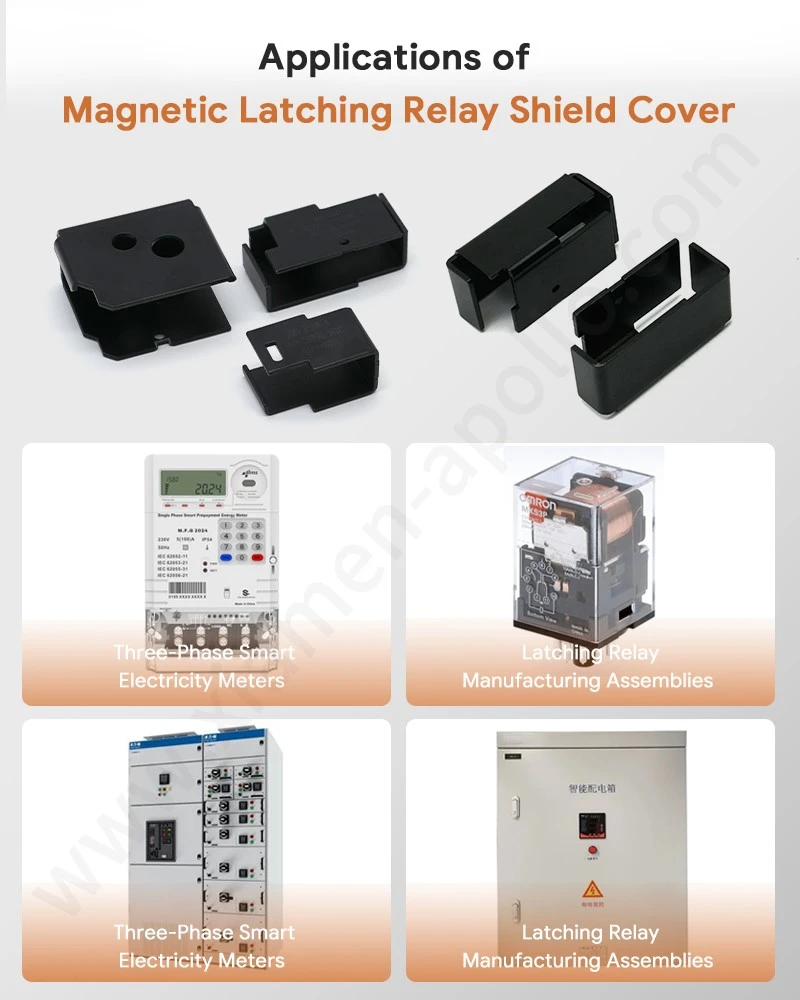
Ultimately, the design of a relay enclosure serves a core purpose: to create a stable, predictable micro-environment for the internal electromagnetic conversion system. In the case of latching relays, the Relay Metal Enclosure plays a critical role in electromagnetic protection. Rather than simply pursuing the highest possible shielding specifications, the design focuses on achieving an optimal balance between cost, physical dimensions, heat dissipation, and ease of maintenance. A successful shield design ensures that, throughout the relay's service life, the internal contact switching logic remains isolated from external physical and chemical environmental factors-thereby guaranteeing accurate and reliable connection and disconnection between control signals and the controlled circuits.
contact us
We can initiate DFM analysis directly based on your technical drawings. Our facility is equipped for the mass production of powder-coated carbon steel cold-rolled sheet components, ensuring rapid delivery of both samples and full-scale production units for Relay EMI Shield Covers used in smart meter projects.