

Front Sleeve Bearing is a typical structural form of a sliding bearing. Its main function is to form a stable contact interface between the shaft and the machine base or housing, thereby reducing friction and wear during shaft rotation or reciprocating motion, and ensuring the reliability and lifespan of the equipment. Compared to rolling bearings, sliding bearings have a simpler structure, higher load-bearing capacity, and better impact resistance. They are particularly suitable for low-speed, heavy-load, high-temperature, high-dust, or maintenance-limited conditions, thus having a long and widespread application base in mechanical engineering.
Structurally, Sleeve Bearing typically has a cylindrical inner bore that mates with the shaft, and an outer diameter that mates with the machine base bore. During operation, it relies on the material's inherent properties or a lubricating medium to form an oil film or solid lubricating layer, preventing direct hard contact between the metal surfaces. This working method gives it significant advantages in stability and durability.
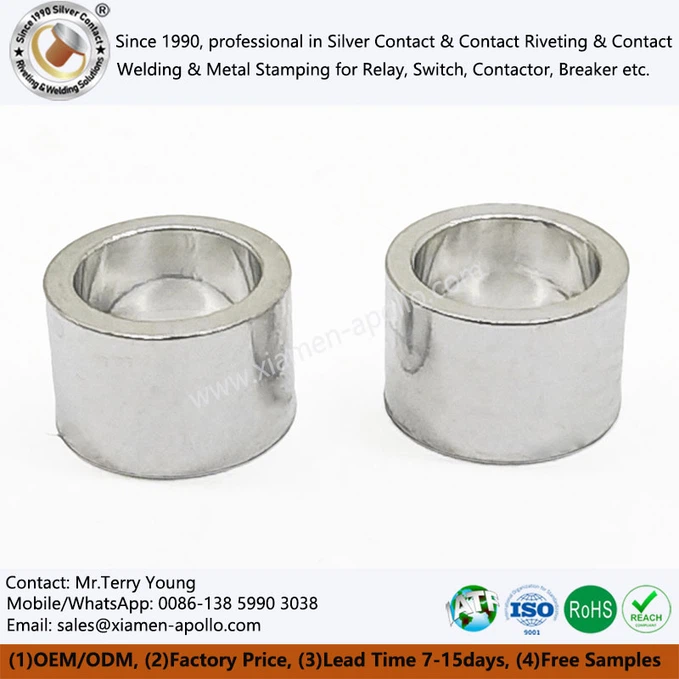
In practical applications, the choice of Pump Shaft Sleeve material is particularly crucial. Metal bushings are widely used due to their excellent mechanical strength and wear resistance. Among them, copper alloy bushings, represented by bronze bushings, excel in lubrication performance, corrosion resistance, and the ability to embed foreign objects, making them suitable for continuous operation at medium to low speeds and high loads. Furthermore, steel-based bushings with surface-treated metal bushings are also commonly used in applications requiring high dimensional stability and load-bearing capacity.
Functionally, bushings can also serve auxiliary functions such as positioning, spacing, or guidance. For example, in assembly structures, distance sleeves are often used to ensure axial dimensional accuracy and prevent structural interference caused by fastening or thermal deformation; while cyclic bushings, with their regular shape and good machining consistency, are one of the most common forms in general machinery. This type of design not only simplifies the manufacturing process but also facilitates later maintenance and replacement.
In the field of fluid machinery, the application of Pump Shaft Sleeve is particularly typical. Pump shaft sleeves are usually installed between the pump shaft and the seal or housing, primarily to protect the pump shaft body from media erosion and wear. When a shaft sleeve wears out, simply replacing the component restores equipment performance, significantly reducing maintenance costs. Similarly, in motors or transmission systems, front and rear sleeve bearings provide front and rear support, respectively, and have a significant impact on shaft coaxiality and operational smoothness.
From a design perspective, the clearance between the sleeve and the shaft directly determines its operating condition. A suitable clearance allows for the formation of a stable lubricating film during operation, reducing the coefficient of friction; too small a clearance may lead to dry friction and temperature rise, while too large a clearance will result in increased vibration and noise. Therefore, the design of a shaft sleeve requires comprehensive consideration of various factors such as rotational speed, load, temperature, and lubrication conditions, and the determination of optimal parameters through calculation and experimentation.
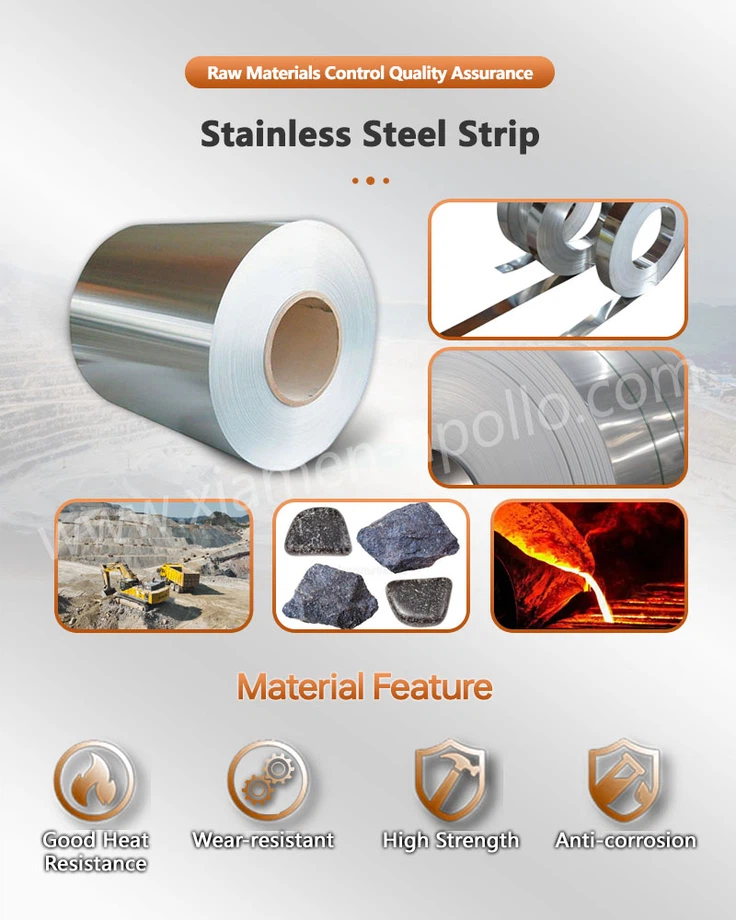
With advancements in manufacturing technology, the machining precision and surface quality of Front Sleeve Bearings have continuously improved. Precision turning, grinding, and composite surface treatment technologies have significantly improved the dimensional consistency and service life of bearing sleeves. Simultaneously, the introduction of modular design concepts has enhanced the versatility of bearing sleeves across different equipment, facilitating standardized management and inventory control.
Overall, while Front Sleeve Bearings are fundamental components in mechanical systems, their role in friction reduction, load bearing, and protection of critical shaft components is irreplaceable. From general-purpose machinery to specialized equipment, from traditional industries to modern equipment systems, sleeve bearings consistently support the core requirements of mechanical operation with stable and reliable performance. A deep understanding of bearing sleeve structure, materials, and operating conditions is a crucial foundation for achieving efficient equipment operation and long-term service life.
contact us
