

Why contact materials are important in electronic devices
Contact materials play a critical role in the performance, reliability, and efficiency of electronic devices. These materials significantly impact current transfer, device life, and resistance to wear or corrosion. Because different materials have different properties that can be advantageous depending on the application, understanding their strengths and weaknesses is critical to making informed decisions about contact design.
In electronic devices, contact materials affect conductivity, which directly impacts how well the device transmits signals or switches power on and off. Additionally, properties such as thermal conductivity and coefficient of expansion are critical when managing heat dissipation in high-power applications.
Advantages of Copper Contacts
Copper is the contact material of choice due to its superior electrical conductivity. Copper contacts have high thermal conductivity, which allows for efficient power transfer and reduced energy loss.
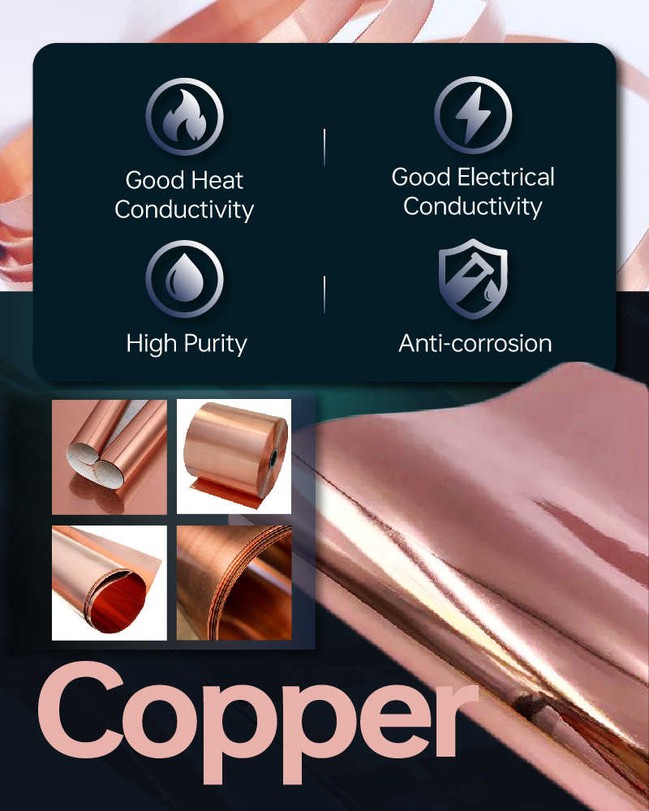
Copper contacts also have high tensile strength, making them ideal for high-voltage applications such as mechanical seals and pumps. Copper's ductility allows it to conform well to a variety of surface shapes while maintaining mechanical stability.
Another benefit of copper contacts is their inherent resistance to oxidation and corrosion at high temperatures. This feature increases the durability and reliability of electronic devices that use copper contacts.
Disadvantages of Copper Contacts
Despite its many advantages, there are certain disadvantages to using copper contacts.
The first disadvantage involves cost implications; copper is generally more expensive than other alternative materials such as steel or brass. Therefore, there may be an increase in equipment costs for manufacturers who choose this material.
Another disadvantage is the softness and ductility of copper, which can easily wear when subjected to sustained stress or friction during operation. Therefore, these wear issues can lead to performance degradation or even premature failure in specific cases.
Finally, while less common than with silver alloys, oxidation can still occur in exposed areas over extended periods or under extreme conditions, leading to increased contact resistance, an undesirable outcome in electronic systems where low resistance is critical.
In summary, while there are many advantages to using copper as a contact material (such as excellent conductivity and high-temperature resistance), there are some significant disadvantages that must be considered before selecting this material for your application, including increased cost and possible wear sensitivity-related performance issues in the field/onboard/etc.
Advantages of Silver Alloy Contacts
1. High conductivity:
Silver alloy contacts have one of the highest electrical and thermal conductivity among contact materials. This makes them the first choice for applications that require high electrical performance, lower voltage drop, or minimal heat generation.

2. Oxidation resistance:
Pure silver tends to tarnish when exposed to moisture, sulfur, or other environmental contaminants, resulting in increased resistance. However, silver alloys resist oxidation better than pure silver, thus exhibiting excellent corrosion resistance.
3. Superior arc resistivity:
Compared to other metals such as copper, silver alloy contacts exhibit excellent arc mitigation capabilities. This makes them a key element when switching loads in high-voltage systems. These silver alloy contacts have excellent arc resistance performance This is due to their high melting point and arc resistance characteristics.
4. Extended service life:
The inherent durability of silver alloy contacts prevents degradation and wear over time, thereby extending the service life of electronic devices using such materials.
Disadvantages of Silver Alloy Contacts
1. Cost considerations:
Compared to other alternatives such as copper contacts, the raw material cost of producing silver alloy contacts is higher, which generally results in a more expensive end product.
2. Wear reduction strategies:
Despite the extended service life, some applications may require additional wear reduction strategies to maintain the integrity and performance of silver alloy contacts due to specific operating conditions (such as extreme temperature changes). This may result in additional costs or system design complexity compared to other contact material options.
3. Purity variation:
Although superior to pure silver in many ways, different types of silver alloys contain different degrees of purity based on specific industry requirements, which can complicate the selection and comparison process.
Comparison of Copper and Silver Alloy Contacts
Conductivity
One of the main factors that differentiate copper and silver alloy contacts is their respective electrical conductivity. Silver alloys stand out for their superior conductive properties. Silver has an electrical conductivity rating of 106% IACS (International Annealed Copper Standard), making it ideal for situations where minimal energy loss is required.
Copper has an impressive electrical conductivity of approximately 100% IACS. However, it is slightly less effective at reducing energy loss at the contact interface compared to the superior value of silver alloys.
Durability and Corrosion Resistance
Another important aspect of contact selection involves long-term durability and resistance to environmental factors that can cause corrosion. Copper forms a protective oxide layer when exposed to oxygen; however, copper contacts are susceptible to surface tarnishing over time due to continued oxidation, which ultimately reduces electrical performance.
In contrast, silver alloys minimize the effects of oxidation on their surfaces, even under harsh conditions, thereby demonstrating significantly higher corrosion resistance. These alloys often contain small amounts of other metals, such as palladium or nickel, which can improve their corrosion resistance without affecting their ability to conduct electricity.
Cost Considerations
From an economic perspective, copper is a more economical choice compared to silver alloys due to limited supply and market price fluctuations associated with precious metals such as silver. This makes copper contacts more suitable for applications where budget constraints exist or as a temporary replacement during maintenance intervals for high-value silver alloy devices.
Thermal Conductivity and Operating Temperature Range
Both copper and silver alloy contacts have high thermal conductivity, which allows for rapid heat dissipation across the electrical interface. Still, silver alloys have a slight advantage over copper in this regard due to their higher thermal conductivity.
In terms of operating temperature, copper contacts are suitable for a wide range of environments. While silver alloys generally offer superior performance across all metrics, the rising costs associated with this luxury may overshadow the incremental benefits gained in certain situations that justify the use of a more economical material such as copper.
In Conclusion
In summary, the choice between copper and silver alloy contacts can significantly impact the efficiency and longevity of your electrical system. By understanding their respective properties and benefits, and by gathering the necessary information, you can make an informed decision that will improve the performance and durability of your application. Don't compromise on contact materials; invest wisely to ensure a reliable connection and seamless functionality.