

Brass, with its excellent electrical conductivity, corrosion resistance, good machinability, and stable mechanical strength, is widely used in electronics, electrical engineering, automotive, sanitary ware, and industrial equipment. In modern manufacturing, brass CNC machining has become a crucial process for parts production, meeting the demands of complex structures, high precision, and mass production. A proper understanding of brass machining characteristics and process requirements is essential for improving product quality and reducing manufacturing costs.
Brass is an alloy material primarily composed of copper and zinc, with the possible addition of elements such as lead, iron, aluminum, and magnesium to further enhance its machinability and mechanical properties. Since different element ratios affect the material's hardness, corrosion resistance, and machinability, in actual production, companies typically need to select appropriate material grades based on the product's intended use to ensure the stability and long-term performance of machined brass parts.
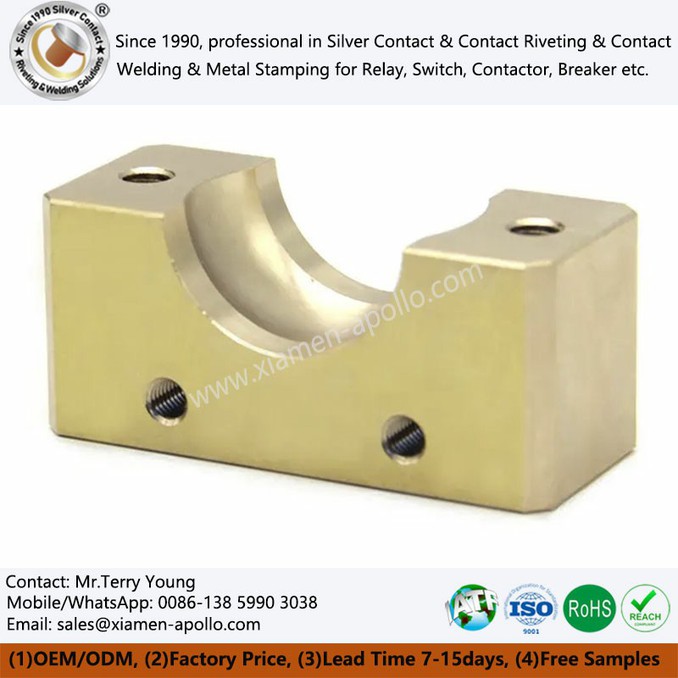
One of the greatest advantages of brass is its excellent machinability. Compared to stainless steel or high-hardness alloys, brass has lower cutting resistance and less tool wear during machining, thus enabling higher processing efficiency. Especially in automated production environments, custom brass CNC machining can effectively improve production speed and dimensional consistency while reducing subsequent finishing processes.
In addition to its excellent machinability, brass also possesses excellent corrosion resistance. Due to the strong oxidation resistance of copper itself, End Mill for Brass maintains stable performance in humid environments, liquid environments, and some corrosive media. In actual industrial manufacturing, custom brass turning is widely used in the production of fluid control systems, valves, and connectors, effectively improving product durability.
Brass also has high ductility and plasticity, making it less prone to fracture or chipping during machining. Good ductility facilitates the forming of complex structures and also improves machining stability. Therefore, brass turning parts are widely used in the manufacturing of electronic connectors, precision structural components, and other products requiring complex contours and intricate structures.
Although brass is a free-machining material, its strength and hardness still meet the requirements of most industrial products. Brass rolling mills offer good mechanical stability without increasing machining difficulty like high-hardness steels. Therefore, modern manufacturing industries widely use brass CNC turned parts for industrial equipment, mechanical connectors, and automated parts production.
In CNC milling brass machining, material selection is crucial. C360 brass is one of the most widely used free-machining brasses because its lead content significantly improves machinability and reduces tool wear. This material is particularly suitable for machining brass threaded machining parts, such as threaded joints, fasteners, and precision connectors.
Besides C360, C230 brass also has high application value. This material has good weather resistance and anti-zincification properties, making it suitable for environments with high corrosion resistance requirements. Due to its stable overall performance, it is often used to manufacture brass micro-machined components, widely used in the electronics, communications, and precision instrument industries.
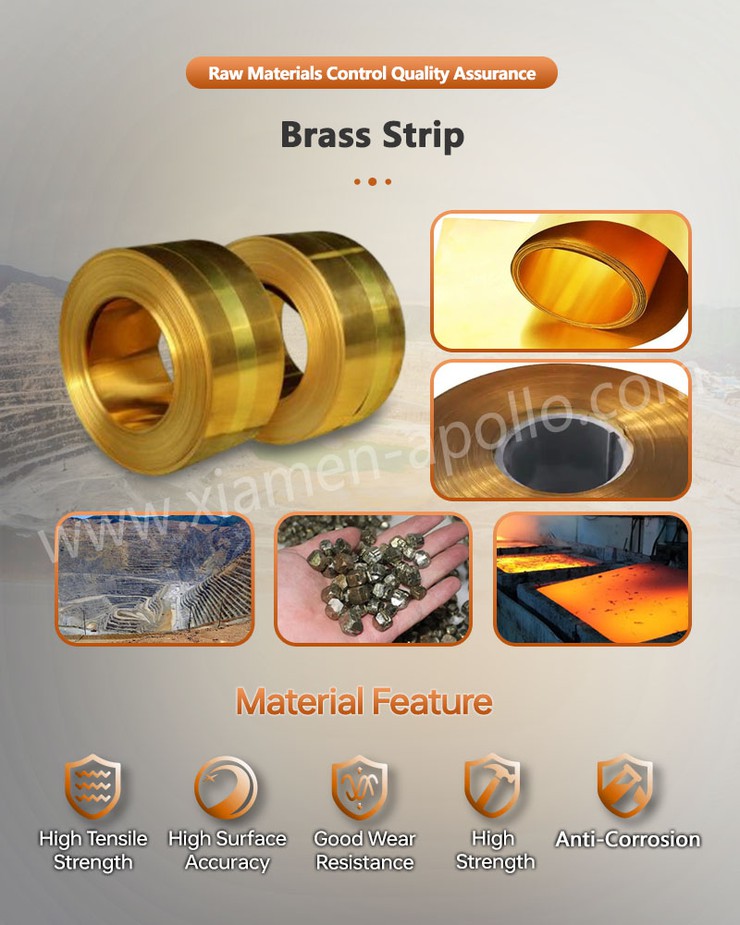
Brass turned parts are widely used in the electronics, electrical, automotive, and fluid control industries. In the electronics industry, due to their excellent conductivity and dimensional stability, they are extensively used in the production of connectors, plugs, and precision conductive components.
For precise matching of brass grades, processing techniques, and surface treatment solutions, please consult our professional technical team. We can customize a custom processing solution based on your product precision, operating conditions, and delivery requirements to ensure the quality and performance of the finished product meet standards.
Contact Us
