Currently, resistance welding is the mainstream welding process in industrial manufacturing, and the processing and forming of AC Contactor Silver Contact Welding Assemblies also heavily rely on this welding method. Resistance welding involves pressing the workpieces to be welded between two electrodes and applying current. The resistance heat generated by the current flowing through the contact surface and adjacent areas of the workpieces heats them to a molten or plastic state, forming a metallic bond.
The fundamental properties of the materials directly determine the suitability of spot welding. In the processing of low-voltage electrical components, evaluating the welding performance of various metal substrates is a key prerequisite for optimising the production process of Resistive Welding Silver Contacts. The weldability of a material depends on several factors. First, electrical and thermal conductivity are crucial; metals with low resistivity and high thermal conductivity tend to have poor weldability. Second, high-temperature plasticity and plastic temperature range (materials with high high-temperature yield strength and narrow plastic temperature ranges) also contribute to poor weldability. Third, the sensitivity of a material to thermal cycling, particularly materials prone to cracking or hardening, results in poor weldability. Metals with high melting points, large coefficients of linear expansion, and high hardness also exhibit relatively weak overall weld stability. Therefore, evaluating the spot weldability of a particular metal material requires a comprehensive assessment considering multiple physical properties.
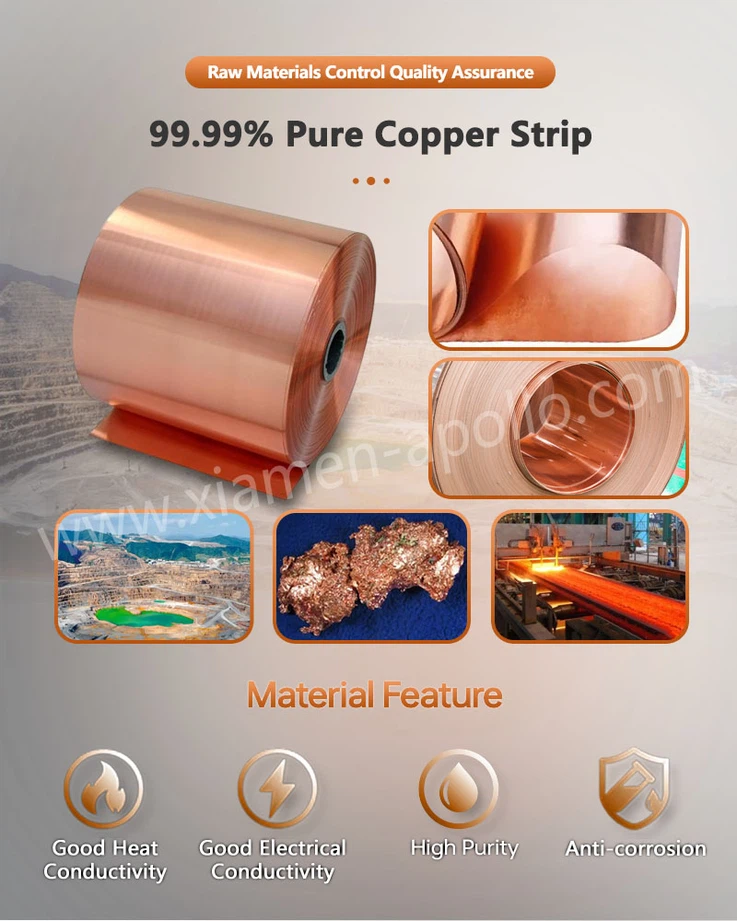
Copper and copper alloys are commonly used core base materials for electrical contact components. Differences in the weldability of different copper materials directly affect the service life and electrical conductivity stability of AC Resistance Welding Silver Contacts. Copper and copper alloys can be categorised into pure copper, brass, bronze, and cupronickel. Pure copper, oxygen-free copper, and phosphorus-deoxidised copper exhibit very poor spot weldability; brass shows moderate weldability; bronze has good weldability; and cupronickel offers the best weld quality. Pure copper has extremely high electrical conductivity, making spot welding difficult and resulting in inconsistent weld strength, thus limiting its application in precision contact welding.
Precise control of welding parameters is crucial for stable welding quality and reduced contact assembly defect rates. Reasonable adjustment of various process parameters can effectively improve the overall structural strength of Electric Resistance Spot Welding Silver Contacts. Current has a far greater impact on welding heat generation than resistance and time, making it a critical parameter that must be strictly controlled during the welding process. Fluctuations in mains voltage and changes in the secondary circuit impedance of the AC welding machine will cause current fluctuations. Changes in circuit geometry or the introduction of magnetic metal materials will alter the circuit impedance, while DC welding machines are less affected by these factors. Simultaneously, current density, weld joint shunting effect, and changes in electrode contact area will all alter the welding heat input, ultimately affecting the joint strength of the metal joint.
Welding time must be matched with current parameters to form standardised process specifications, thereby meeting the production needs of large-volume electrical contact components and ensuring consistent specifications for Silver and Copper Welding Button Contacts. To ensure the size of the weld nugget and the strength of the weld joint, welding time and welding current can complement each other within a certain range. Two welding specifications-high current, short cycle; and low current, long cycle-can be flexibly selected based on the metal material, plate thickness, and equipment power. Various metal materials have upper and lower safety limits for welding current and welding time; exceeding these standard ranges will prevent the formation of a complete and qualified weld nugget structure.
The inherent advantages of resistance welding perfectly match the needs of large-scale production of low-voltage electrical components, which is the core reason for its widespread use in the mass production of Welding Electrical Silver Contact Tip Assemblies. During weld nugget formation, the metal is always surrounded by a plastic ring, isolating the molten metal from the air, making the metallurgical reaction process simple and controllable. The welding heating time is short, the heat is concentrated, the heat-affected zone of the workpiece is small, and the welding deformation and internal stress are lower, often eliminating the need for subsequent correction and heat treatment processes. The process does not require additional filler materials or auxiliary gases, resulting in lower production consumable costs. The operation process is simple, facilitating the implementation of mechanised and automated production lines, leading to outstanding overall production efficiency and a more environmentally friendly working environment.
Due to limitations in process testing and equipment configuration, resistance welding also has certain application limitations. The industry is continuously optimising testing solutions to address these shortcomings and ensure that Silver Contact Stamped Welding Assemblies meet factory quality standards. Currently, resistance welding lacks universal and reliable non-destructive testing technologies, and welding quality is mostly ensured through process sample sampling, destructive testing, and full-process equipment monitoring. Welding equipment requires high overall power and automation integration, resulting in high equipment procurement and maintenance costs. Traditional high-power single-phase welding machines also increase the load on the power grid, posing certain drawbacks.

With the continuous upgrading of high-end manufacturing industries and the steady growth in demand for low-voltage electrical appliances, the iterative upgrading of welding technology continues to empower the development of the Electrical Contact Brazed Stamping Components industry. The rapid development of industries such as aerospace, electronics, automotive, and home appliances has increasingly highlighted the application value of resistance welding technology, and the market is demanding higher standards for the precision, durability, and safety of contact welding components. Breakthroughs in domestic power electronics technology and high-power electrical control equipment are continuously emerging. New welding equipment and intelligent control systems are gradually becoming more widespread, and advanced technologies such as closed-loop monitoring and dynamic parameter adjustment are being implemented, comprehensively improving the precision of resistance welding and continuously expanding the application boundaries of welding assemblies.
about us
In an industry context where resistance welding technology is becoming increasingly mature, high-quality welding assemblies have become a core guarantee for the stable operation of low-voltage electrical appliances. Relying on mature resistance welding production processes and strict quality control standards, we can reliably supply high-performance AC Contactor Silver Contact Welding Assemblies. Our products feature strong welds, excellent conductivity, and wear resistance, and are compatible with various AC contactors. We welcome inquiries and discussions from industry customers. Bulk customisation and procurement cooperation are both welcome.
contact us