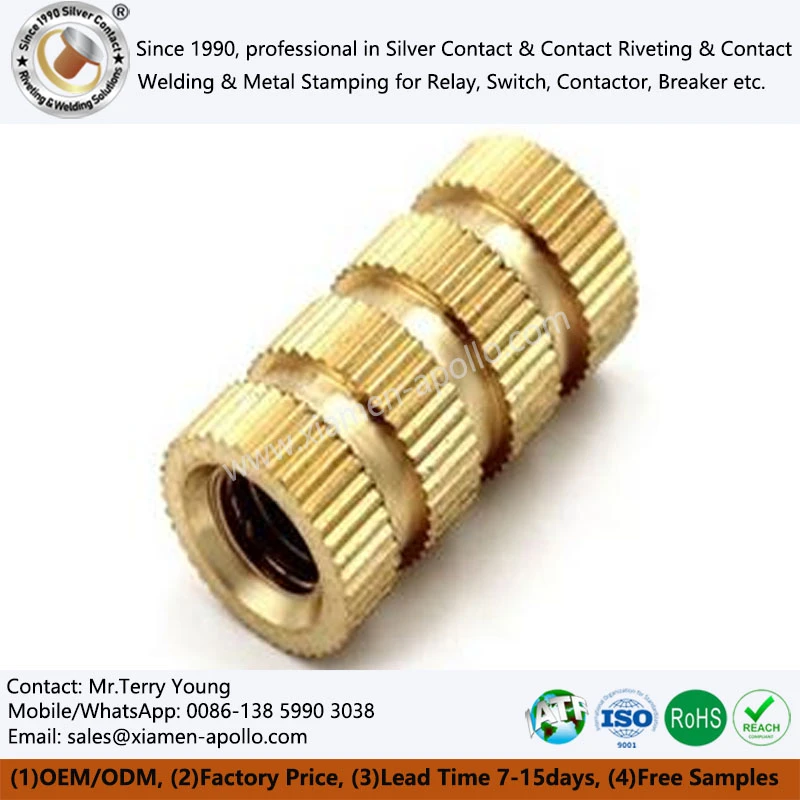
With its excellent machinability, corrosion resistance, and natural aesthetic appeal, brass is a preferred material for CNC machining. Alloys such as C360 (free-machining), C230 (dezincification-resistant), and C220 (highly ductile) offer distinct advantages; selecting the right grade requires balancing machining efficiency with specific application requirements-a key consideration when specifying Precision Brass Components.
In CNC machining, material selection directly dictates part performance, production efficiency, and cost control. Brass combines stable mechanical properties with high process compatibility. Thanks to its reliable cutting performance, corrosion resistance, and dimensional stability, it is widely used in the manufacture of precision components. This guide outlines the core characteristics that make brass well-suited for CNC machining, details common brass grades and available surface treatments, and provides a framework for material evaluation and application-helping engineers efficiently select materials for Brass CNC Machined Parts.
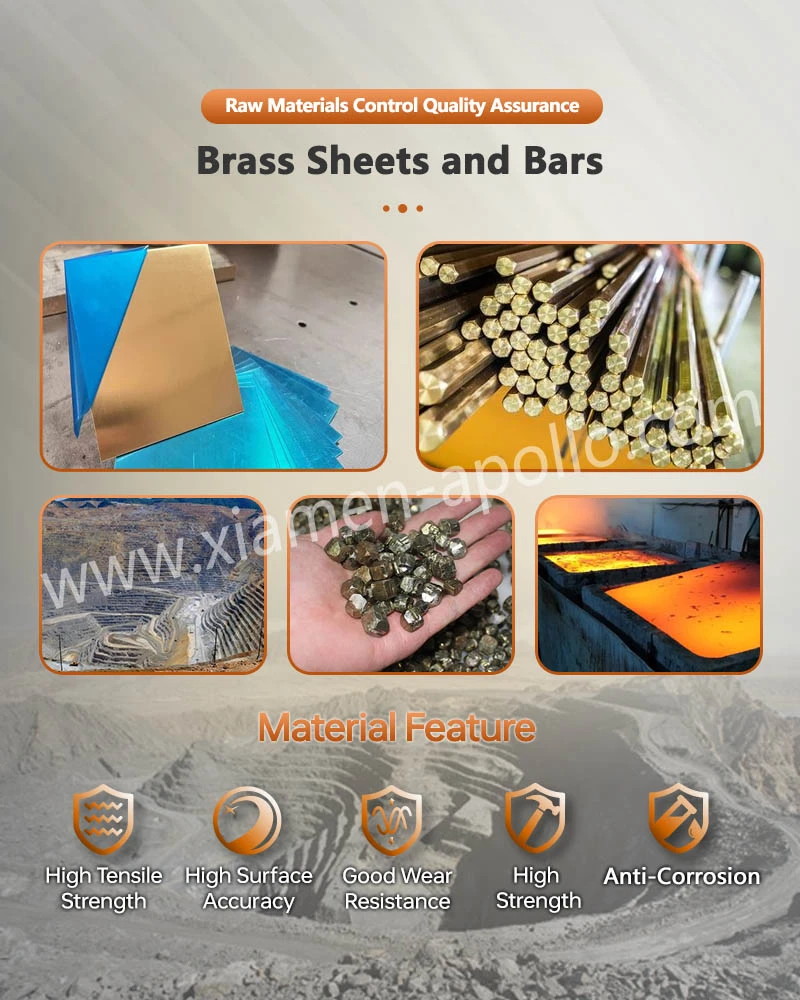
Key Characteristics of Brass for CNC Machining
1. Excellent Machinability
Brass is an engineering alloy that is relatively easy to machine; the presence of lead, for instance, facilitates effective chip breaking. The material possesses an optimal level of ductility, allowing for higher feed rates and lower cutting resistance. It performs consistently during CNC turning and milling operations, which is a primary reason it is frequently chosen for the mass production of Brass for CNC Parts.
2. Superior Corrosion Resistance
Brass offers inherent corrosion resistance, which extends the service life of components-making it suitable for environments exposed to moisture or liquids. The level of corrosion resistance varies based on the alloy's composition (such as the content of iron or aluminum), so the specific operating environment should be considered during the selection process.
3. Good Ductility
With a high copper content, brass exhibits superior ductility compared to pure copper. Its excellent formability allows for the creation of complex geometric profiles, making it ideal for parts with intricate or non-standard shapes.
4. Adequate Strength and Hardness
While brass is easy to machine, it still retains sufficient structural strength and wear resistance. Although its strength is lower than that of various steels, it is more than capable of meeting load-bearing requirements for the vast majority of standard applications.
5. Excellent Appearance
Brass possesses an inherent, stable golden-yellow metallic luster with a uniform surface texture. In many applications, it can be assembled and used without the need for additional post-processing, effectively serving both functional and decorative purposes.
Common Brass Grades for CNC Machining
Brass is primarily composed of copper and zinc, with elements such as magnesium, iron, lead, or silicon added to tailor its properties. Varying the copper-to-zinc ratio results in different grades, each with distinct mechanical, corrosion-resistance, and machinability characteristics-factors that serve as the primary basis for material selection in Brass For Cnc Machining Parts.
Brass C360
Also known as "free-cutting brass," C360 is the most widely used grade in CNC machining. It contains approximately 3% lead, which facilitates reliable chip breaking and high machining efficiency, while still maintaining good tensile strength. It is frequently used for electrical connectors, fasteners, and small connecting parts.
Advantages:
- Excellent machinability
- Good corrosion resistance
- High tensile strength
Disadvantages:
- Lead-containing composition is unsuitable for medical applications
- Limited resistance to acidic media
Brass C230
Also referred to as "red brass" or "Nordic brass," C230 offers moderate strength and reliable rust resistance. It is resistant to dezincification and stress cracking (stress-corrosion cracking), making it common in water supply piping systems; it is also used to manufacture components such as rotor bars and bent tubing.
Advantages:
- Excellent resistance to dezincification
- Moderate tensile strength
- Good corrosion resistance
Disadvantages:
- Insufficient protection in extremely corrosive environments
Brass C220
Often called "commercial bronze," C220 is essentially a high-copper brass alloy. It offers a balanced combination of machinability, strength, and ductility. It is frequently used for architectural decorative components, such as outdoor weatherstripping.
Advantages:
- Excellent corrosion resistance
- Good machinability
- Outstanding ductility and strength
Disadvantages:
- Material properties may be affected by long-term exposure to harsh environments; however, these properties can be restored through annealing.
Download Contact Material Spec Sheet
Surface Treatment Options for CNC-Machined Brass
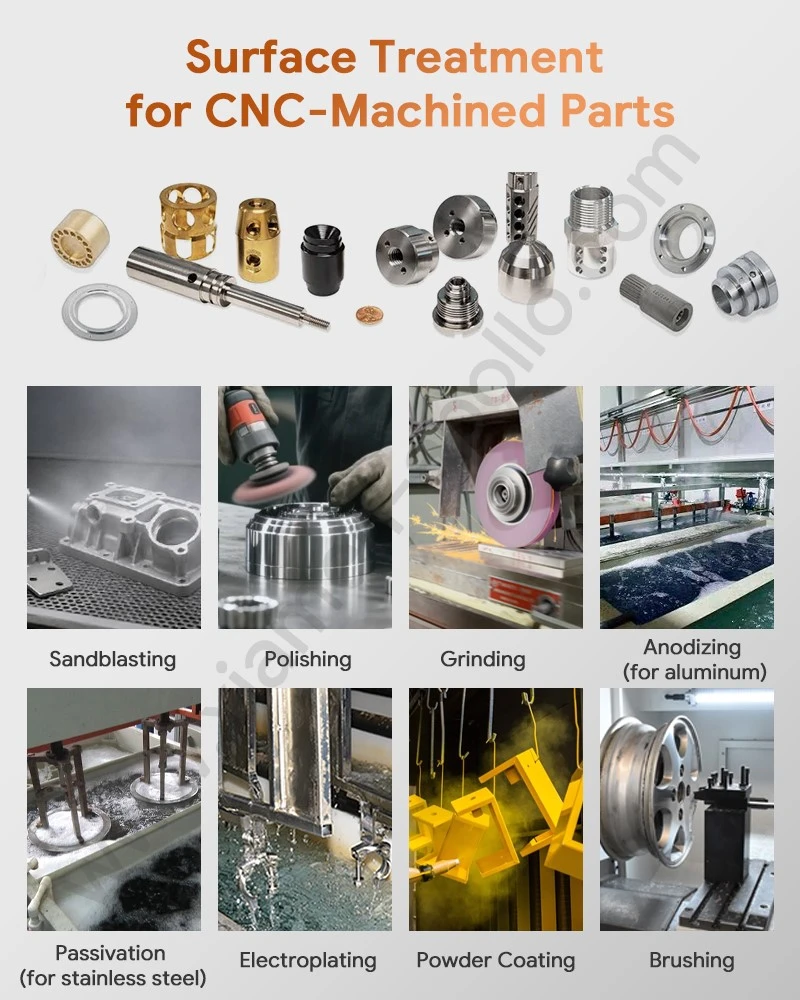
Brass lacks a natural passivation layer. While the raw metal surface can be used as-is, its appearance and protective lifespan are limited. Depending on the specific requirements for Brass CNC Parts, the following surface treatments can be applied:
1. As-Machined Surface
The metal surface is left as it appears after machining. This is suitable for parts where functionality is the primary concern and aesthetic requirements are minimal. Such surfaces are prone to scratching and oxidation, making them unsuitable for long-term exposure or applications with strict visual standards.
2. Polishing
Using polishing wheels and abrasive discs, surface tool marks and impurities are removed to enhance smoothness, improve reflectivity, and refine the visual appearance. This is commonly used for the finishing of cosmetic or visible parts.
3. Electroplating
Through an electrolytic process, a layer of another metal is deposited onto the brass substrate. This enhances surface luster, wear resistance, and corrosion resistance, serving as a high-end decorative and protective solution.
4. Honing
Honing stones are used to process the internal bores or sliding surfaces of a workpiece, creating a cross-hatch pattern. This optimizes surface contact, stabilizes the coefficient of friction, and improves fit precision.
5. Powder Coating
Powder coating involves the electrostatic application of a powder, which is then cured at high temperatures to form a dense protective layer. This significantly improves corrosion and wear resistance, offers a wide range of color options, and provides both protection and aesthetic customization.
Considerations for Selecting Brass for CNC Machining
There are many grades of brass, each with distinct performance characteristics. Selection should be based on a comprehensive evaluation across multiple criteria; creating an assessment checklist can help minimize errors in material selection.
1. Required Machining Time
Project delivery timelines directly influence the choice of brass grade. C360, for instance, allows for high cutting speeds, making it ideal for urgent, high-volume production runs. If the operating conditions require resistance to dezincification or superior corrosion resistance, grades such as C230 or C220 should be prioritized.
2. Design for Manufacturability (DFM)
All CNC Milling Brass Parts should adhere to Design for Manufacturability (DFM) guidelines. Although brass is highly machinable, overly complex geometries can extend production time, increase the number of required setups (clamping operations), and drive up machining costs. Simplifying designs and minimizing tool changes and setup steps during the design phase helps control overall manufacturing costs.
3. End-Use Application
The specific alloy composition determines the corrosion resistance, dezincification resistance, and strength of each brass grade. For instance, for piping components intended for long-term service in aqueous environments, C230 is a better choice than C360 (which is optimized primarily for machining efficiency).
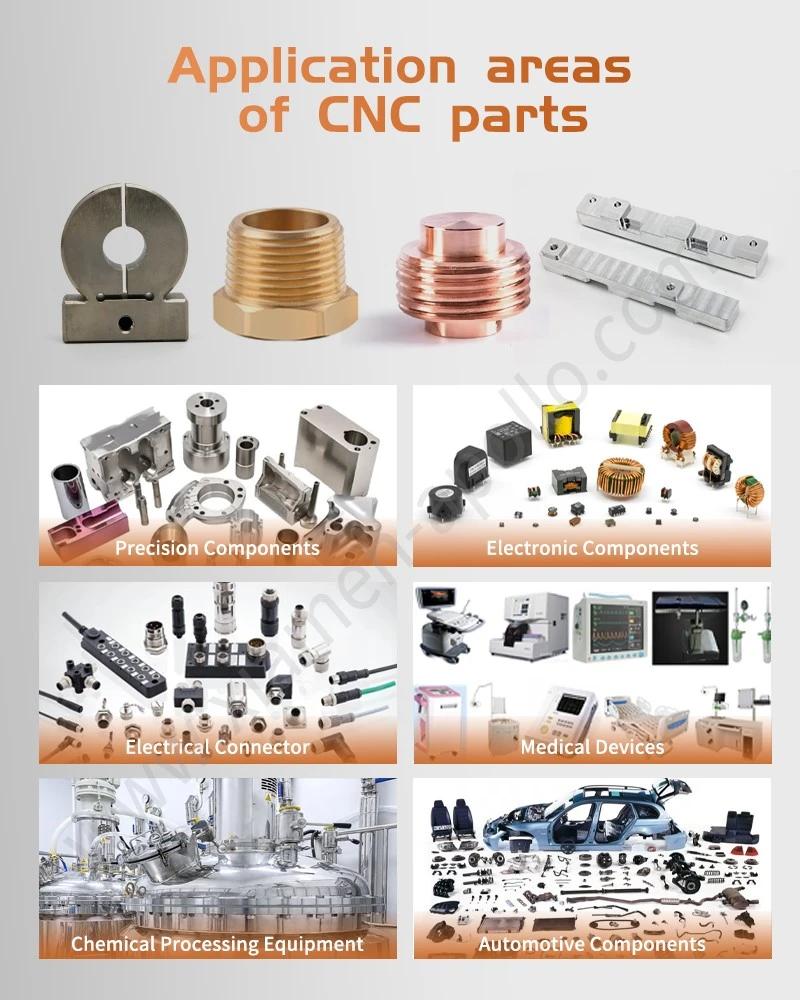
Applications of brass CNC machining parts
Brass offers a well-balanced set of properties, making it suitable for a wide range of industries. Typical machined parts include:
- Knobs
- Pipe fittings
- Components for doorbells and clocks
- Jewelry and decorative ornaments
- Gears
- Door handle trim/decorative elements
- Other parts requiring a combination of aesthetic appeal and functional performance
contact us
In the context of CNC metal machining, brass is one of several material options. The key to material selection lies in aligning the specific properties of an alloy with the component's operating conditions-for example, while C220 is well-suited for decorative elements, it is not appropriate for long-term use in underwater plumbing. Engineers must look beyond mere machining efficiency and simultaneously evaluate the intended operating environment and functional requirements.
When questions arise regarding material selection or manufacturing feasibility, consult material handbooks and process specifications to evaluate your approach, ensuring the reliable delivery of Precision Brass Components.