

Tin is a non-toxic, silvery-white metal characterized by excellent solderability and ductility. It serves as a core surface-treatment material across the electronics, new energy, automotive, and food industries; it is particularly well-suited for the corrosion protection and conductivity enhancement of new energy electrical components. For instance, copper stamped parts used in new energy vehicle (EV) relays-such as Copper Sheet Stamping for EV Relays-widely utilize electro-tinning processes to enhance surface stability and solderability. Electro-tinning process systems are broadly categorized into two main types: alkaline and acidic. These distinct systems differ significantly in their process characteristics, applicable scenarios, and common failure modes; therefore, clearly understanding the respective advantages and disadvantages of each process type is fundamental to efficiently troubleshooting production issues in electro-tinning operations.
Acidic tin plating encompasses three major sub-systems: sulfate-based, methanesulfonate-based, and fluoroborate-based. These constitute the mainstream processes for manufacturing new energy electrical components; for example, copper contact terminals for high-voltage DC (HVDC) relays and contactors-such as Copper Contact Terminals for EV HVDC Relays-are frequently processed using acidic bright tin plating techniques. Overall, acidic tin plating offers several advantages: high bath stability, excellent coating brightness, high current efficiency, and ease of operation. However, its primary drawbacks include relatively poor bath throwing power (dispersion capability) and the susceptibility of divalent tin ions to hydrolysis. Consequently, production operations using this method are prone to common issues such as bath turbidity and uneven coating thickness.
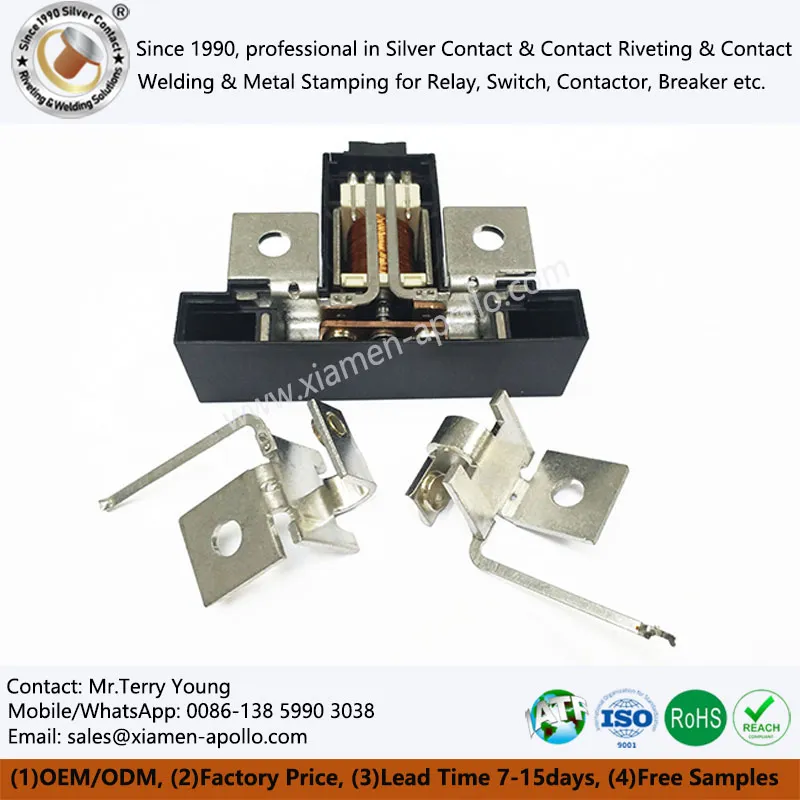
Different acidic tin-plating systems possess distinct compatibilities and inherent drawbacks, directly impacting the finished quality of copper stamped terminals used in EV charging relays. Methanesulfonic acid-based tin plating offers rapid deposition rates and simplifies subsequent wastewater treatment, making it widely adopted in continuous electroplating production lines. Conversely, fluoroborate-based tin plating has been largely phased out due to its high cost and associated fluoride pollution issues; current industry mass production is predominantly driven by sulfate- and methanesulfonic acid-based bright tin-plating processes.
Complementing these acidic methods, alkaline tin-plating processes feature excellent throwing power and high bath stability, making them suitable for processing certain irregularly shaped copper components used in new energy applications. Custom copper stamped parts for new energy relays often utilize alkaline tin plating as a foundational protective treatment. However, this method suffers from significant process limitations: it requires high operating temperatures, exhibits low current efficiency, and produces a matte (non-bright) finish. Consequently, it struggles to meet the aesthetic and precision assembly requirements of high-precision electrical components, resulting in a relatively limited scope of application.
Sulfate-based bright tin plating is the most widely utilized process in the industry; its bath composition is simple and easily controllable-factors that directly determine the plating quality of fixed copper terminals used in new energy high-voltage relays. Its core constituents include stannous sulfate, sulfuric acid, brighteners, and stabilizers; among these, stannous sulfate serves as the primary source of tin ions, making precise control of its concentration particularly critical. An excessively high concentration can increase current density and accelerate deposition rates, but it also tends to result in a rough plating finish; conversely, an excessively low concentration lowers the maximum current-carrying capacity and risks causing "burning" defects in the plating. Therefore, the concentration must be precisely regulated based on the specific geometry of the workpiece.
As a key conductive additive within the tin-plating bath, sulfuric acid plays a vital role in ensuring the plating stability of copper terminal contacts used in EV charging pile contactors. It not only enhances the bath's conductivity and facilitates the dissolution of the tin anode but also effectively suppresses the hydrolysis of divalent tin ions. If the sulfuric acid concentration is excessively high, it accelerates anode dissolution and causes the tin ion concentration to exceed optimal levels, resulting in a rough plating finish; conversely, an excessively low concentration diminishes the bath's throwing power (dispersing ability), leading to process failures such as a dull plating finish or bath turbidity.
Brighteners are critical auxiliary additives that ensure the appearance and precision of electroplated coatings; they are widely utilized in the auxiliary tin-plating processes for silver-plated copper terminals used in new energy switches. These additives typically consist of a composite blend of organic aldehydes, phenols, and surfactants, imparting a uniform, lustrous finish to the plated layer. However, an excessive concentration of additives can reduce cathodic current efficiency; furthermore, the continuous oxidative decomposition of these organic components exacerbates bath turbidity and impurity accumulation, potentially leading to batch-wide plating defects.
Stabilizers are essential components for maintaining the stability of acidic tin-plating systems and preventing batch-scale failures. In the precision tin-plating processes for silver-plated copper terminals-such as those used in High-Voltage Direct Current (HVDC) contactors-stabilizers are indispensable for maintaining the optimal condition of the plating bath. In acidic tin-plating baths, divalent tin is highly susceptible to hydrolysis, a reaction that generates milky, turbid impurities; when compounded with the oxidative decomposition products of brighteners, these impurities can severely compromise the quality of the plated coating. The industry typically employs composite stabilizers comprising complexing agents, antioxidants, and reducing agents; these formulations effectively inhibit hydrolysis reactions while requiring timely replenishment during production to prevent the degradation of the plating bath's performance.
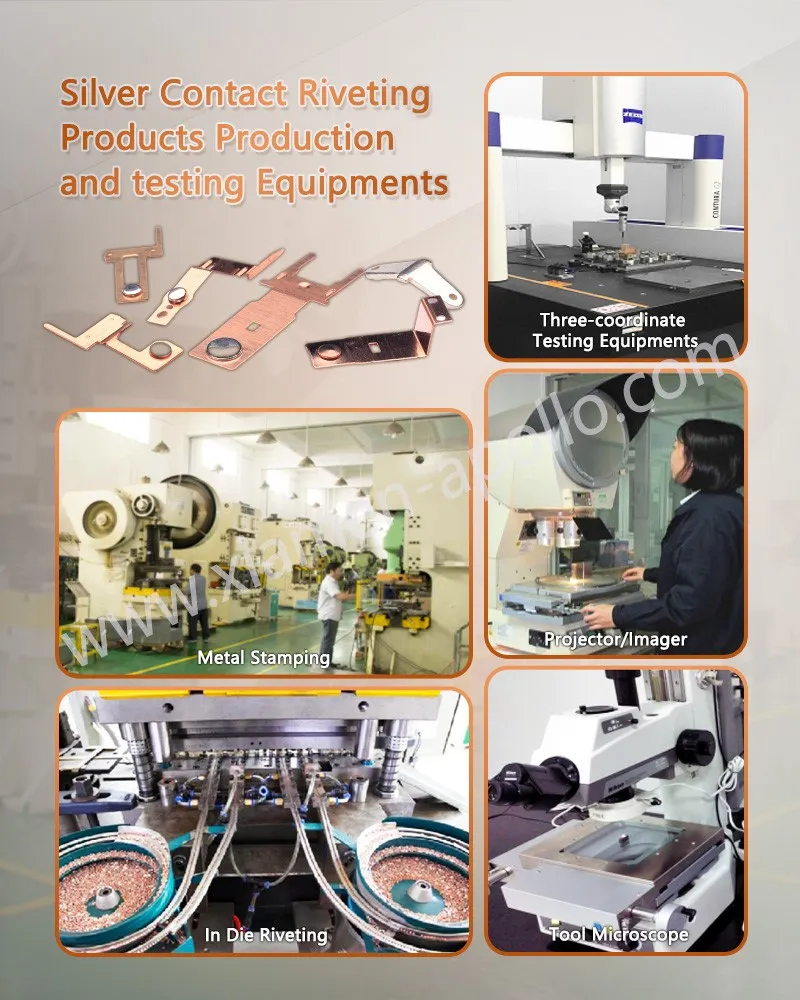
In the electroplating production of high-voltage electrical components-particularly those subject to frequent switching cycles, such as silver-plated moving copper contacts for EV HVDC contactors-rigorous control over plating bath stability is paramount. These applications demand exceptionally high standards regarding the uniformity and stability of the tin plating layer. The vast majority of tin-plating defects encountered in production stem from imbalances in bath composition, improper ratios of auxiliary agents, or uncontrolled process parameters. By precisely monitoring and controlling the concentrations of stannous sulfate, sulfuric acid, additives, and stabilizers, common issues-such as rough deposits, burning, loss of luster, and bath turbidity-can be resolved at the source, thereby ensuring consistent and stable plating quality in the finished products.
Overall, defects in the tin-plating process tend to be systematic and predictable; the key to prevention lies in strictly managing the bath formulation ratios, process parameters, and routine maintenance protocols. By tailoring specific tin-plating systems to suit different components-such as copper stamping terminals for EV charging relays-and adapting them to various production scenarios, along with precisely adjusting raw material concentrations and periodically maintaining/replenishing bath constituents, manufacturers can effectively avert the vast majority of production failures while simultaneously boosting the pass rate of finished products and overall production efficiency.
If you require assistance in troubleshooting various tin-plating process defects, optimizing bath formulations and production parameters, or developing customized plating solutions for specific components-such as copper terminal contacts for EV charging pile contactors-please do not hesitate to contact us. We are ready to provide expert guidance on process commissioning and practical production implementation.
contact us
