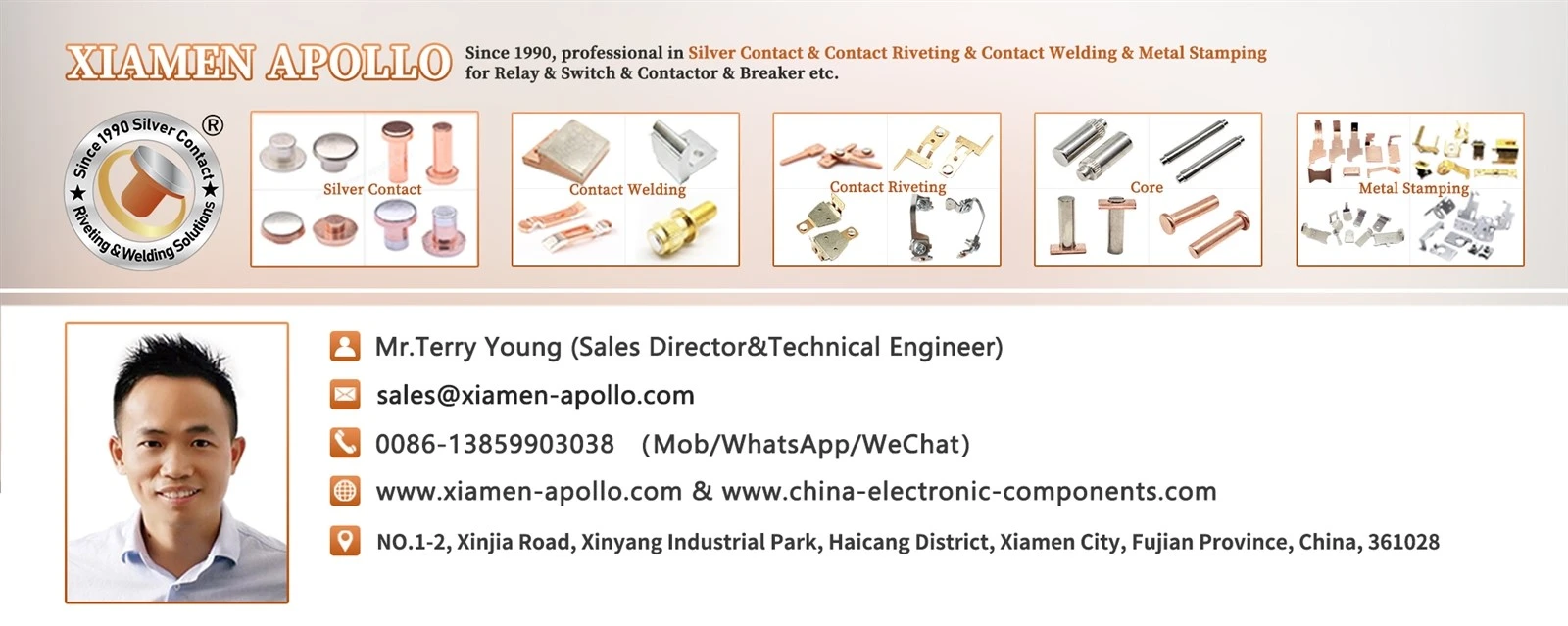
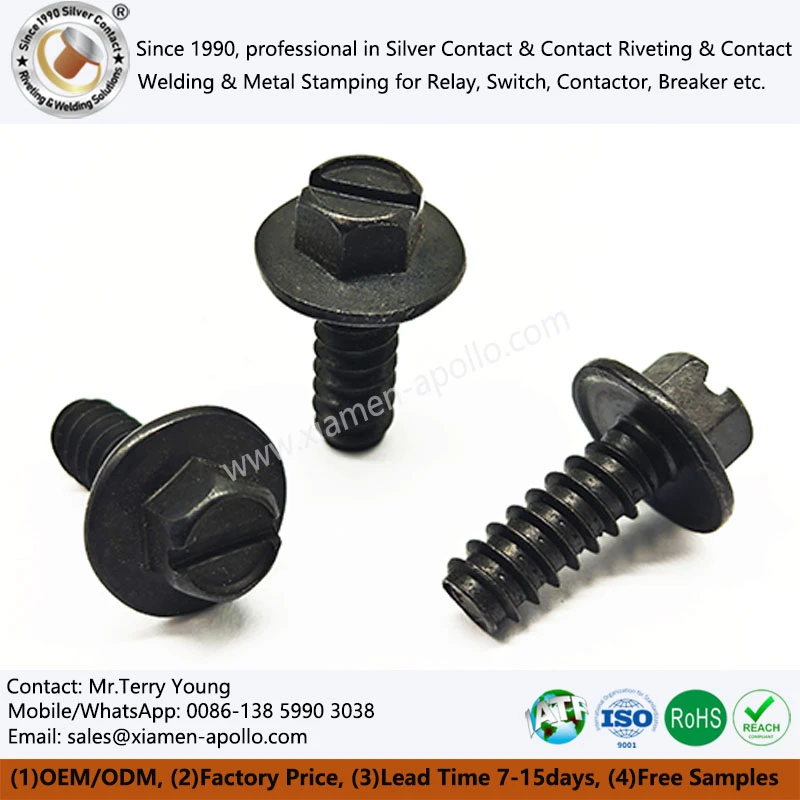
A Hexagon Flange Headed Bolt Fastener is a mechanical fastener featuring an integrated flange beneath a hexagonal head. Its main components include the hexagonal head, flange bearing surface, and threaded shank. The flange increases the contact area between the bolt head and the connected component, helping distribute clamping loads and reduce localized bearing stress. This design suits mechanical joints exposed to static loads, vibration, and long-term fastening requirements.
Basic Structure and Working Principle
A Flanged Hex Head Bolt consists of three main components: the hexagonal head, flange bearing surface, and threaded shank. The hexagonal head and flange are generally manufactured as an integrated structure, while the threaded shank engages with a nut or threaded hole to secure the connected components.
Hexagonal Head Structure
The hexagonal head is the primary force-application point during installation. It is typically tightened using a wrench, socket, or automated fastening equipment.
Its main characteristics include:
- Provides stable wrench contact surfaces for applying installation torque.
- Supports mechanical and automated assembly processes.
- Allows different across-flats dimensions and head heights according to product specifications.
Flange Bearing Surface
The flange is positioned beneath the hexagonal head and is generally formed as an integral part of the bolt. It creates an enlarged annular bearing surface.
Compared with a standard hex bolt, the flange increases the contact area between the bolt head and the connected component. Under the same axial preload and contact conditions, the larger effective bearing area helps reduce localized compressive stress and minimizes the risk of surface indentation or deformation.
Some designs incorporate serrations on the underside of the flange to increase mechanical engagement with the mating surface. However, serrations may damage surface coatings and alter the relationship between installation torque and preload. Their suitability should therefore be evaluated according to the actual application.
Threaded Shank Structure
The threaded shank provides the primary mechanical connection. Its diameter, length, pitch, and thread tolerance directly affect assembly compatibility and load-bearing capacity.
Common thread configurations include:
- Metric coarse threads
- Metric fine threads
- Fully threaded designs
- Partially threaded designs
For products incorporating an unthreaded shoulder or special positioning section, the shank dimensions must be determined according to the connected component thickness, mounting hole diameter, and required thread engagement length.
Download Contact Material Spec Sheet
Common Specifications and Mechanical Property Classes
The specifications of a Bolt with Flange and Hexagon Head are generally identified by nominal thread diameter, shank length, head dimensions, and flange outside diameter.
Common Thread Specifications
| Nominal Size | Nominal Thread Diameter | Typical Applications |
|---|---|---|
| M6 | 6 mm | Small machinery and equipment assembly |
| M8 | 8 mm | Automotive components and mechanical brackets |
| M10 | 10 mm | Industrial equipment and structural connections |
| M12 | 12 mm | Heavy machinery and load-bearing joints |
| M14 | 14 mm | Construction machinery and equipment frames |
| M16 | 16 mm | Mechanical connections under higher loads |
These are examples of commonly used nominal sizes. Actual thread pitch, length, head dimensions, and flange diameter should be confirmed against engineering drawings or applicable product standards.
Common Mechanical Property Classes
Hex-Headed Bolt with Flange Attachment products can be manufactured from carbon steel or alloy steel in different mechanical property classes according to application requirements.
| Property Class | Nominal Tensile Strength | Nominal Yield Strength | Main Characteristics |
|---|---|---|---|
| 8.8 | 800 MPa | 640 MPa | Suitable for general load-bearing connections |
| 10.9 | 1,000 MPa | 900 MPa | Suitable for higher-preload connections |
| 12.9 | 1,200 MPa | 1,080 MPa | Suitable for high-strength mechanical connections |
Note: The values above represent common nominal mechanical property values. Actual requirements must be determined according to the applicable fastener standards, dimensional range, and material specifications.
Mechanical property class is not the only factor determining fastener selection. Actual load-bearing capacity is also affected by the effective thread tensile stress area, connected material, preload, fatigue loading, and operating environment.
Main Performance Characteristics
Increased Bearing Area
A Flange-Equipped Hexagon Head Bolt uses an integrated flange to increase the bearing area beneath the bolt head. Under the same axial load, a larger effective contact area helps reduce average bearing stress on the connected surface.
This configuration is suitable for mechanical joints involving relatively thin components, surfaces with limited bearing capacity, or applications where localized indentation must be minimized.
Improved Joint Stability
The flange distributes the clamping load over a larger contact area, reducing localized penetration of the bolt head into the connected surface.
However, an integrated flange does not function as an independent mechanical locking device. For joints exposed to continuous vibration, impact, or alternating loads, additional anti-loosening measures may be necessary. These can include prevailing-torque lock nuts, thread-locking adhesives, or other mechanical locking methods.
Improved Assembly Efficiency
Because the flange and hexagonal head are manufactured as an integrated structure, a separate flat washer may not be necessary in certain applications. This can simplify component management and reduce assembly steps.
However, whether a separate washer can be omitted depends on the bearing surface hardness, surface treatment, preload requirements, and applicable engineering specifications.
Adaptability to Different Mechanical Connections
Different configurations can be developed by adjusting thread specifications, shank length, material, and surface treatment to meet the assembly requirements of machinery, automotive components, and industrial structural parts.
Consult Our Electrical Engineers Today
Main Application Fields
Automotive Manufacturing
In automotive engines, chassis systems, transmissions, and body structures, flange bolts are used to secure brackets, housings, and mechanical assemblies.
Automotive applications generally require consideration of vibration loads, thermal cycling, corrosion exposure, and installation torque. Material grades and surface treatments should be selected according to the specific operating conditions.
Construction Machinery
Excavators, cranes, loaders, and other construction machinery are exposed to impact, vibration, and cyclic loading during operation.
At suitable connection points, the flange structure helps distribute bearing loads beneath the bolt head and reduces the risk of localized damage to connected surfaces.
Industrial Equipment and Machinery Manufacturing
In motors, pumps, transmission systems, mechanical brackets, and automated equipment, flange bolts are used to secure different structural components.
Selection should consider installation space, thread compatibility, clamping force, and dynamic loads generated during equipment operation.
Construction and Infrastructure
Flange bolts are also used in certain auxiliary steel structure connections, equipment mounting brackets, and mechanical assemblies in infrastructure projects.
For primary load-bearing structures in bridges and other critical infrastructure, fasteners must be selected according to the relevant structural design codes and fastener standards. Their suitability cannot be determined solely by the presence of a flange.

Material Selection and Surface Treatments
Common Manufacturing Materials
| Material Type | Main Characteristics | Typical Applications |
|---|---|---|
| Low-carbon steel | Good machinability and suitability for general fastener manufacturing | General mechanical assembly |
| Medium-carbon steel | Mechanical properties can be adjusted through heat treatment | Automotive and industrial equipment |
| Alloy steel | Higher strength and hardenability | High-load mechanical connections |
| Stainless steel | Good corrosion resistance | Humid and corrosive environments |
Common Surface Treatments
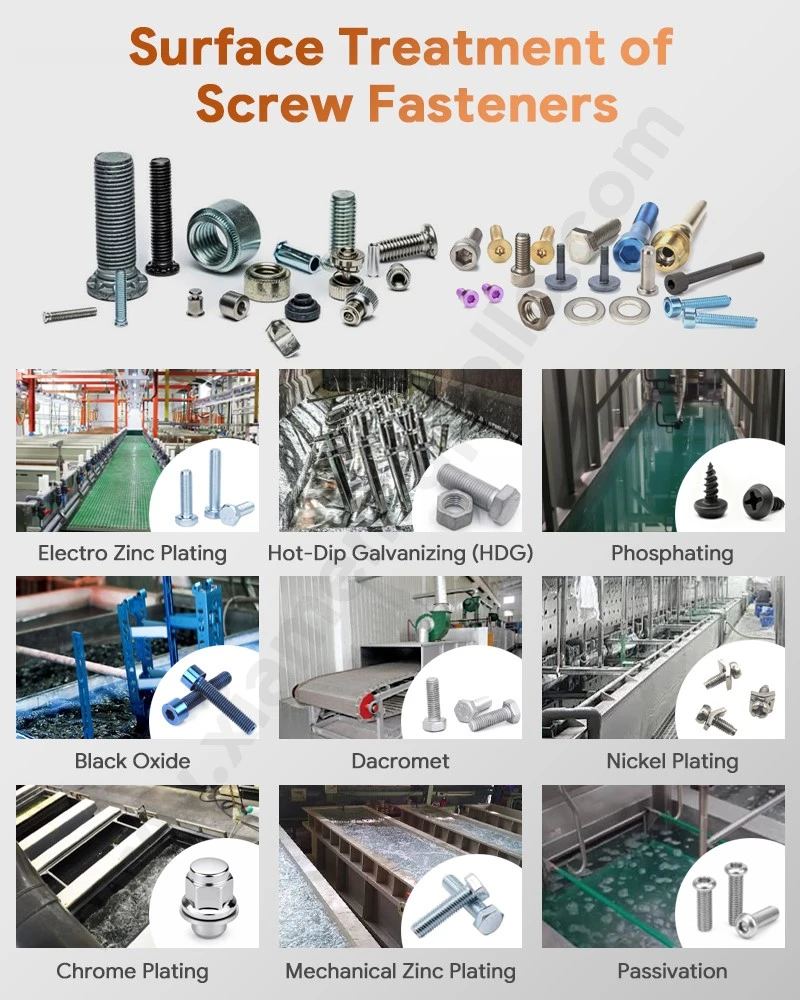
- Zinc Plating: Provides basic corrosion protection through a zinc coating and is commonly used in general industrial environments.
- Zinc-Nickel Plating: Offers improved corrosion resistance and is suitable for automotive and industrial components with higher corrosion protection requirements.
- Black Oxide Treatment: Forms an oxide layer on the steel surface, primarily providing surface finishing and limited corrosion protection.
- Geomet Coating: Uses a zinc-aluminum flake coating to provide corrosion protection and is used in selected automotive and mechanical fastener applications.
For high-strength steel bolts, electroplating processes require hydrogen embrittlement risk assessment. Appropriate process controls and post-treatment procedures should be implemented according to applicable standards.
Product Selection and Installation Considerations
The selection of Hexagon Flange Head Machine Screws should not rely solely on thread diameter and bolt length. Joint geometry, operating loads, and installation conditions must also be considered.
Confirm Thread Specifications
Determine the nominal diameter, thread pitch, and thread tolerance according to the threaded hole or mating nut.
Thread incompatibility may cause assembly difficulties, insufficient thread engagement, or thread damage.
Determine Bolt Length
Bolt length should be selected according to the total thickness of the connected components, nut thickness, and required thread engagement length.
For blind-hole connections, sufficient clearance at the bottom of the hole must be maintained to prevent the bolt from reaching the bottom before the required clamping force is achieved.
Select the Appropriate Installation Torque
Installation torque determines the axial preload generated in the bolt. Excessive torque may cause thread damage, bolt yielding, or deformation of connected components. Insufficient torque may result in inadequate clamping force.
Installation should follow engineering specifications or validated torque parameters. The effects of lubrication and surface treatment on the friction coefficient must also be considered.
Inspect the Contact Surface
Before installation, inspect the connected surfaces for burrs, oil contamination, rust, and other foreign materials.
For serrated flange designs, verify compatibility between the serrations and the mating surface. This helps prevent damage to soft materials or surface coatings that are unsuitable for serrated contact.
Perform Regular Joint Inspections
For connections exposed to long-term vibration, impact, or temperature fluctuations, inspections should be conducted according to equipment maintenance requirements.
Key inspection points include thread damage, corrosion, bearing surface indentation, preload changes, and bolt fatigue cracks. Any abnormal conditions should be addressed promptly.
Frequently Asked Questions
Q1:What is a Flanged Hexagon Head Bolt Screw?
A Flanged Hexagon Head Bolt Screw is a threaded fastener with an integrated hexagonal head and circular flange. The flange increases the bearing area beneath the bolt head, helping distribute clamping loads across the connected surface and reducing localized contact stress.
Q2: What is the difference between a Flanged Hex Head Bolt and a standard hex bolt?
The primary difference is the integrated flange beneath the hexagonal head. A standard hex bolt generally has a smaller bearing surface and may require a separate washer. A flanged design can simplify assembly and provide a larger load-bearing contact area.
Q3: Does a flange head bolt provide better anti-loosening performance?
A flange increases the contact area and can improve load distribution, but it does not automatically prevent loosening. For connections exposed to vibration or impact, additional locking methods may be required based on the joint design and operating conditions.
Conclusion
A Flanged Hexagon Head Bolt Screw combines a hexagonal head with an integrated flange bearing surface to provide mechanical fastening and improved load distribution. Product selection requires consideration of thread specifications, shank length, material strength class, surface treatment, connected component hardness, and actual operating loads.
In automotive manufacturing, construction machinery, and industrial equipment assembly, proper flange bolt selection and controlled installation preload help reduce localized bearing stress on connected surfaces, improve mechanical joint stability, and meet the fastening requirements of different operating conditions.
Contact our factory today for custom Flanged Hex Head Bolt manufacturing, precision production, strict dimensional inspection, and competitive bulk-order quotations to meet your project deadlines.
contact us