

Due to its excellent electrical and thermal conductivity, as well as its favorable mechanical properties, pure copper is widely utilized across industries such as new energy, power electronics, automation equipment, thermal management systems, and precision electronics. However, following machining operations-such as cutting, drilling, and milling-pure copper is highly susceptible to issues such as oxidation, blackening, and discoloration if effective surface protection treatments are not applied; this severely compromises both the product's aesthetic appearance and its electrical conductivity. In the realm of modern precision manufacturing-particularly in the production of components involving CNC machining of copper-anti-oxidation treatment has emerged as a critical and indispensable step in the manufacturing process.
Copper itself possesses high chemical reactivity and is prone to oxidation reactions when exposed to air, moisture, and various contaminants. This susceptibility is particularly pronounced following mechanical processing, as the surfaces of copper components often retain residues of cutting fluids, oils, dust, and trace oxide layers-all of which serve to accelerate the oxidation process. Consequently, in the absence of subsequent protective treatments following high-precision copper CNC milling, finished products frequently exhibit color shifts-or even localized blackening-within a relatively short period.
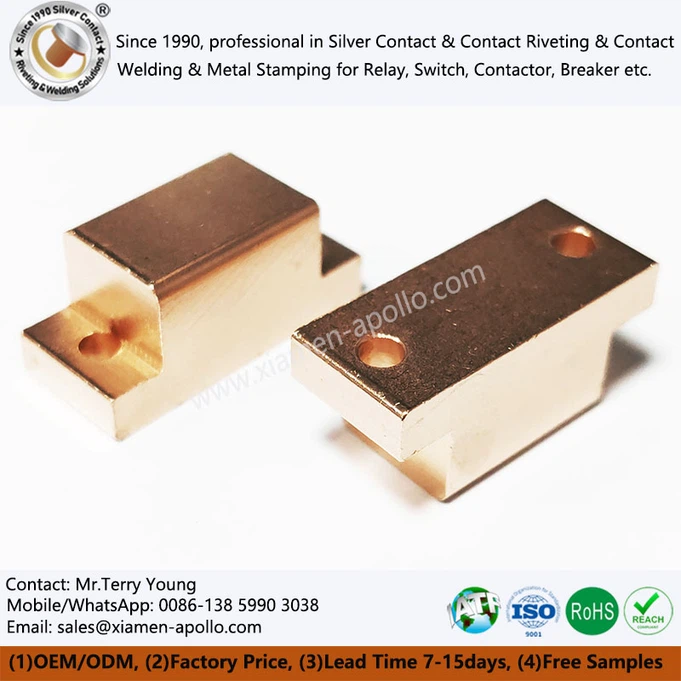
A comprehensive treatment protocol for preventing discoloration in pure copper typically begins with rigorous pre-treatment-specifically, degreasing and cleaning. This foundational step is critical in determining the quality of the subsequent passivation film. Since the surfaces of CNC-machined copper parts often retain traces of oil, fingerprints, dust, and minute metal shavings after processing, thorough cleaning using specialized copper brightening agents is mandatory. For workpieces heavily contaminated with oil, it is recommended to first apply an alkaline degreaser for pre-treatment, followed by acid pickling and activation, to ensure the surface achieves a state of absolute cleanliness. Only when the substrate surface is sufficiently pure can the necessary conditions be established for the formation of a dense, protective film.
Upon completion of the pre-treatment phase, the core step involves the passivation and anti-oxidation treatment of the copper. This process typically utilizes eco-friendly, chrome-free passivation solutions to induce a chemical reaction that generates a dense, nanoscale passivation film on the copper surface. This transparent film effectively acts as a barrier, preventing corrosive media from coming into contact with the substrate and thereby providing long-term protection against oxidation. For workpieces that have undergone precision copper machining, a simple immersion in a mildly alkaline passivation bath for a few minutes is usually sufficient to complete the reaction. It is crucial to note that during this operation, strict precautions must be taken to prevent acidic liquids from being introduced into the passivation bath, as this could compromise the stability of the solution and negatively impact the density of the resulting film.
Following the passivation treatment, standardized rinsing and drying procedures are mandatory. To prevent chemical residues from the preceding stages from contaminating subsequent processes, each step must be followed by a thorough rinse using flowing clean water. The final drying stage is particularly critical regarding temperature control. Generally, it is recommended to maintain the drying temperature for CNC copper sheets or irregularly shaped parts within a range of 80°C to 100°C. Excessive drying temperatures can cause the newly formed passivation film to crack or degrade, thereby rendering it ineffective as a protective barrier; conversely, allowing the parts to air-dry naturally may result in water spots due to the prolonged drying time, negatively affecting the surface aesthetics.
In addition to the fundamental passivation process, auxiliary techniques-such as chemical polishing or vibratory finishing-can be incorporated for workpieces with specific aesthetic requirements. For instance, if custom CNC copper parts intended for construction applications require a high-gloss, mirror-like finish, a chemical polishing step can be added after degreasing. Alternatively, if the objective is to remove minute burrs and achieve a refined, brushed-metal texture, a physical abrasive finishing process can be introduced. This multifaceted combination of surface treatments serves to significantly enhance both the artistic aesthetics and industrial value of copper components.
From a microscopic perspective, high-quality post-processing for CNC-machined copper goes far beyond mere "rust prevention"; it constitutes a sophisticated protective engineering endeavor at the molecular level. The organic heterocyclic compounds (such as benzotriazole) found in eco-friendly passivating agents undergo complexation reactions with copper atoms, thereby forming an exceptionally stable polymeric film. This film not only exhibits robust corrosion resistance-successfully passing rigorous neutral salt spray tests-but is also remarkably thin and transparent. Consequently, it leaves the workpiece's original dimensional precision, electrical conductivity, and weldability completely unaffected, thereby perfectly meeting the exacting material performance standards demanded by high-end manufacturing sectors.
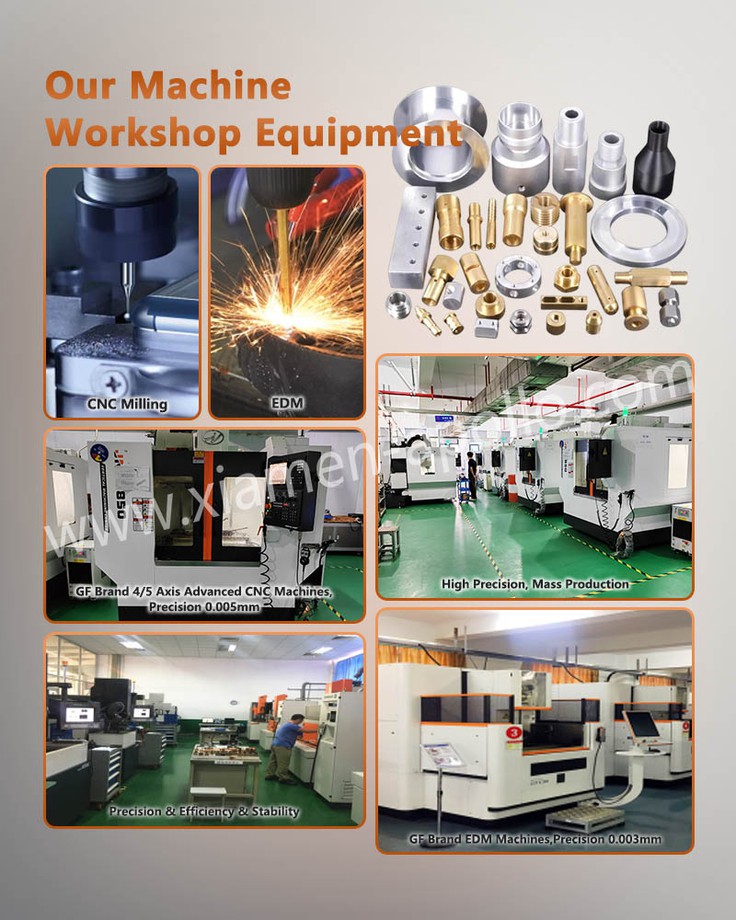
In summary, the anti-oxidation treatment of pure copper is a comprehensive and systematic undertaking. From the selection of raw materials and the configuration of CNC machining parameters to the final passivation and sealing processes, no stage can be overlooked. By adopting eco-friendly and highly efficient chrome-free passivation technologies, we not only effectively extend the service life of copper products but also significantly enhance their aesthetic appeal. This approach achieves a win-win outcome in terms of both economic returns and environmental sustainability, thereby driving the entire copper processing industry toward a transition to green manufacturing.
If you have any inquiries regarding pure copper CNC machining, anti-discoloration passivation processes, or related custom requirements, please do not hesitate to contact us. We are ready to provide you with expert technical consultation and comprehensive, one-stop solutions for metal surface treatment!
Frequently Asked Questions
Q: Is the performance of chromium-free passivation comparable to that of traditional chromate passivation?
A: Chromium-free passivation (using agents such as BTA-based organic passivators) can withstand 24–48 hours of neutral salt spray testing. While slightly inferior to chromate passivation in this regard, it does not compromise electrical conductivity or solderability and meets environmental compliance standards, making it the mainstream alternative in the industry for Copper Rolling Mill.
Q: Does the passivation process affect the electrical conductivity or solderability of the End Mill for Copper?
A: No. The passivation film is only 2–5 nm thick and has no impact on contact resistance; during soldering, the film decomposes and volatilizes, ensuring it does not interfere with solder wetting.
Q: What should be done if water spots or uneven coloration appear after passivation for Mill Finish Copper?
A: This is usually caused by delayed drying or excessively high temperatures. Parts should be rinsed with purified water after passivation and dried using hot air at 80–100°C. If water spots have already formed, the parts can be cleaned and re-passivated, though dimensional tolerances should be monitored.
contact us
