

Low-voltage electrical appliances, as fundamental components of complete electrical equipment sets, are widely used in circuits with AC rated voltage of 1,000V and DC rated voltage of 1,500V and below. They are components or devices that can manually or automatically connect or disconnect circuits according to external signals and requirements, enabling switching, control, protection, detection, transformation, and regulation of circuits or non-electrical objects. With the rapid development of rail transit, communication data, commercial buildings, and new energy fields, the market size of low-voltage electrical appliances in my country is expected to exceed 110 billion yuan by 2026. In this vast industrial chain, whether it is a technology leader in the high-end market or a follower in the mid-range market, the core competitiveness of their products highly depends on precise conductive connection technology, especially the bonding technology of silver contacts and copper substrates.
In the manufacturing of low-voltage electrical appliances, the performance of Silver Contact Brazing on Copper Bars directly determines the mechanical and electrical life of the appliance. To achieve a perfect combination of the excellent arc resistance of silver alloys and the high conductivity and low cost of copper substrates, the industry generally adopts advanced connection processes. High-temperature brazing securely connects silver-based alloy contacts to copper busbars. This process not only ensures the metallurgical bonding strength of the contact interface but also effectively reduces contact resistance, ensuring stability and safety during high-current transmission.
Besides brazing, resistance welding technology also plays a crucial role in the manufacturing of Resistance Projection Welding Silver Contacts. Utilizing the resistance heat generated between the workpiece contact surfaces, silver contacts are precisely welded to pre-fabricated bosses. This process is particularly suitable for automated mass production, offering high welding speed, a small heat-affected zone, and effective prevention of base material deformation. It is widely used in the manufacturing of contacts for various precision relays and miniature circuit breakers. For special structures requiring end-face mating, Resistance Butt Welding Silver Contacts provide extremely high connection strength and conductivity consistency, ensuring virtually no current loss as it passes through the weld interface.
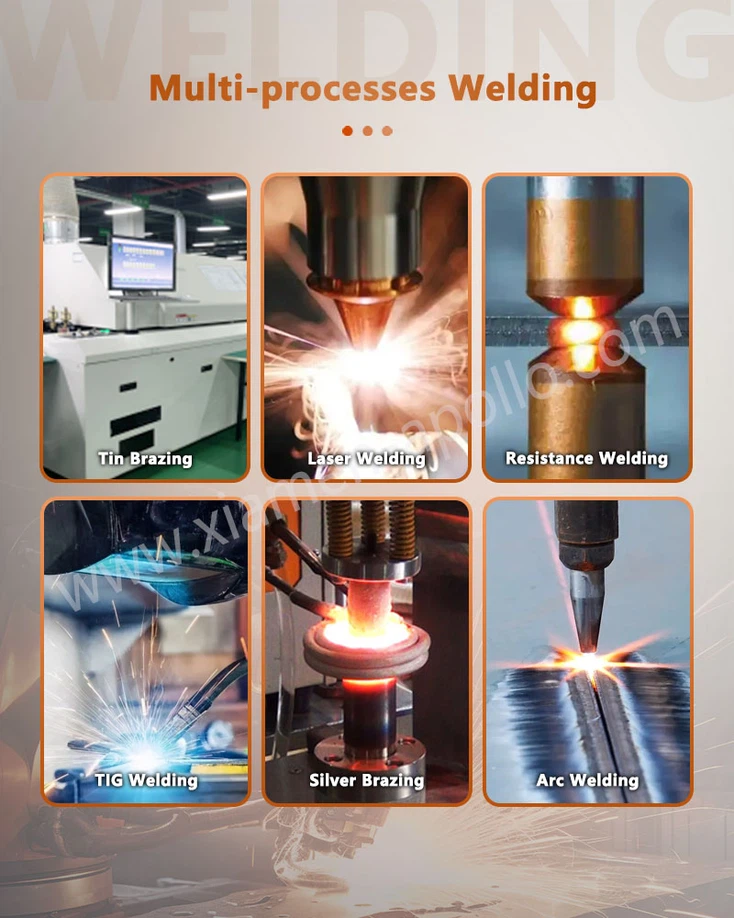
In miniaturized and precision low-voltage electrical components, the Copper Spot Welding Silver Contact process demonstrates unique advantages. By precisely controlling the welding current and time, a reliable connection between the silver contact and the copper substrate can be achieved within an extremely small area. This Resistive Welding Silver Contact technology has extremely high requirements for equipment and process parameters, but once mastered, it can significantly improve product manufacturing efficiency and yield, making it an indispensable core technology in modern high-end low-voltage electrical manufacturing.
The choice of welding process varies depending on the type of low-voltage electrical product. For example, in the manufacturing of some AC contactors, AC Resistance Welding Silver Contact is widely used due to its low equipment cost and mature process. However, for scenarios with more stringent requirements for welding heat input control, Electric Resistance Spot Welding Silver Contact provides more precise heat control, avoiding thermal damage to surrounding insulation materials or precision spring structures, thereby ensuring the overall operational reliability of the electrical appliance.
In certain special electrical connection scenarios, Electrical Contact Resistance Brazing combines the advantages of resistance heating and brazing. The solder is rapidly heated to its melting point using resistance heating, enabling a quick connection between the silver contacts and the substrate. This process is not only highly efficient in heating but also operates under a protective atmosphere, effectively preventing oxidation of the contact surface and ensuring a clean, new-looking weld surface, significantly improving the long-term reliability of the electrical connection.
For components such as push-button switches that require frequent mechanical pressing, the structural design of Silver and Copper Welding Button Contacts is particularly critical. These contacts typically use a silver alloy as the working surface and copper as the supporting substrate, fusing the two together through a precise welding process. A high-quality weld structure ensures that the contacts remain firmly attached after millions of presses, maintaining stable contact resistance over a long period, providing users with a safe and smooth operating experience.
On automated assembly lines, Welding Electrical Silver Contact Tip Assemblies are typically supplied in reel or bulk form. These precision components have already undergone the welding of silver contacts and copper leads before leaving the factory, greatly simplifying the assembly process for downstream electrical manufacturers. By using highly standardized welding components, manufacturers can respond quickly to market demands, shorten product delivery cycles, and ensure the consistency of final product performance.
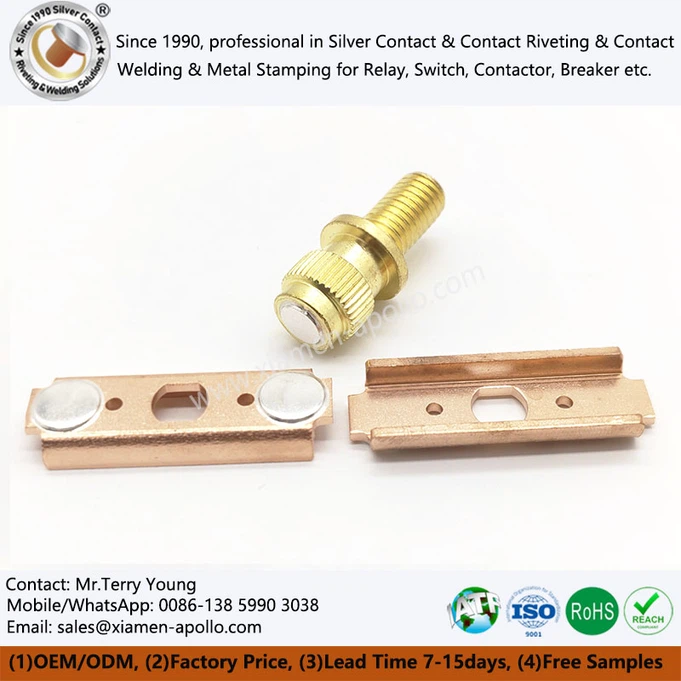
To meet the high-density and high-reliability demands of modern electrical systems, the manufacturing precision of Electrical Contact Brazed Stamping Components is continuously improving. Advanced progressive die stamping technology, combined with vacuum brazing or protective atmosphere brazing processes, enables these tiny conductive components to achieve a perfect metallurgical bond within extremely small dimensional tolerances. This is crucial for ensuring the stable operation of low-voltage electrical appliances in fields such as smart homes and precision instruments.
As a core component of circuit protection, the manufacturing process of Circuit Breaker Contact Brazing Assemblies allows for meticulous attention to detail. Circuit breakers need to interrupt massive fault currents within milliseconds, posing extremely high challenges to the response speed and structural integrity of contact components. High-quality brazed assemblies ensure absolute reliability of the current transmission path under extreme operating conditions, preventing protection failures due to contact failure.
In conclusion, whether it's traditional Electrical Switch Silver Contact Stamping or modern precision-welded assemblies, the underlying manufacturing process directly determines the final quality of low-voltage electrical products. With the rapid development of emerging industries such as new energy and communications during the 14th Five-Year Plan period, the requirements for core connection processes in low-voltage electrical appliances will continue to rise, driving the entire industry towards higher precision and reliability.
If you are looking for high-quality Silver and Copper Welding Button Contact solutions, please feel free to contact us. Our professional team will provide you with comprehensive technical support from process design and sample production to mass production, helping your electrical products achieve superior reliability and market competitiveness.
contact us
