

In the field of high-end equipment manufacturing, aluminum alloys have become one of the most popular materials for CNC machining due to their lightweight, high strength, and excellent thermal conductivity. However, because aluminum alloys are relatively soft and have a high coefficient of thermal expansion, they are prone to deformation during cutting due to stress release, heat buildup, or improper clamping. Achieving micron-level precision control while ensuring high efficiency is a key test of a machining company's technical capabilities. The following will provide an in-depth analysis of six core process methods to avoid part deformation in aluminum alloy machining.
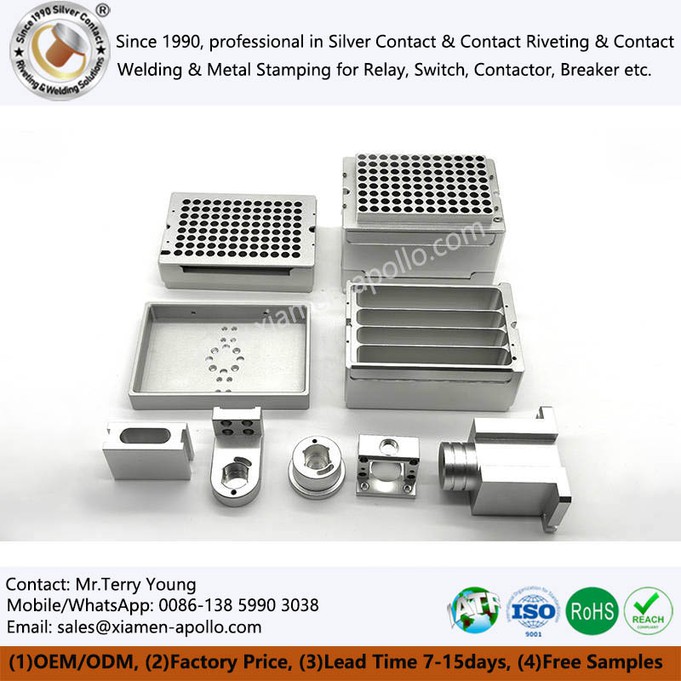
For aluminum alloy parts with large machining allowances, milling to the final size on a single side in one go can lead to high heat concentration, causing severe thermal deformation. For example, milling a 90mm thick aluminum plate to 60mm thick, if done continuously on one side, can result in a flatness error of up to 5mm. However, using a symmetrical machining method-alternating feeds on both sides and removing the allowance layer by layer-effectively improves heat dissipation and allows for more even stress distribution. This scientific process path allows for precise flatness control within 0.3mm, significantly improving the quality stability of the aluminum machining service delivered to customers.
When dealing with plate-type parts with multiple cavities, machining each cavity sequentially can easily lead to warping of the cavity walls due to uneven stress. The optimal solution is to use a layered, multi-stage machining method, where all cavities are roughed simultaneously, then cut layer by layer until the final size is achieved. This strategy maximizes the overall stress balance of the part, effectively avoiding deformation caused by localized stress accumulation, and is the standard operating procedure for producing high-quality CNC machined aluminum parts.
The three key elements of cutting parameters (depth of cut, feed rate, and spindle speed) directly affect cutting force and cutting heat. Excessive depth of cut is a major cause of part deformation, but simply reducing the depth of cut sacrifices machining efficiency. Modern CNC machining typically employs high-speed milling strategies to resolve this contradiction: while significantly reducing the depth of cut, the machine tool speed and feed rate are correspondingly increased. This significantly reduces the cutting force per pass while maintaining a very high material removal rate, ensuring that the produced aluminum machined parts possess both high precision and high surface quality.
Roughing and finishing processes have drastically different goals, therefore, differentiated toolpath sequences must be used. Roughing emphasizes efficiency and typically uses climb milling to remove excess material from the blank surface as quickly as possible; while finishing aims for ultimate dimensional accuracy and surface finish, requiring climb milling. During climb milling, the cutting thickness of the cutter teeth gradually decreases from maximum to zero, significantly reducing work hardening and suppressing minor deformation at the edges of the part. This meticulous path planning is a core technological capability that any professional CNC aluminum parts factory must possess.
When machining thin-walled aluminum alloy parts, the clamping force of the fixture is often a hidden killer causing workpiece deformation. Even if the machining process is flawless, excessive clamping stress can cause the part to spring back and deform after the fixture is released. To overcome this problem, a "double clamping" technique can be used: just before the finishing process reaches its final dimensions, slightly loosen the clamping plate to allow the workpiece to return to its natural state, and then lightly clamp it again with just the minimum force needed to hold the workpiece. This operation significantly reduces clamping deformation and is an essential technique for manufacturing high-difficulty CNC milling aluminum parts.
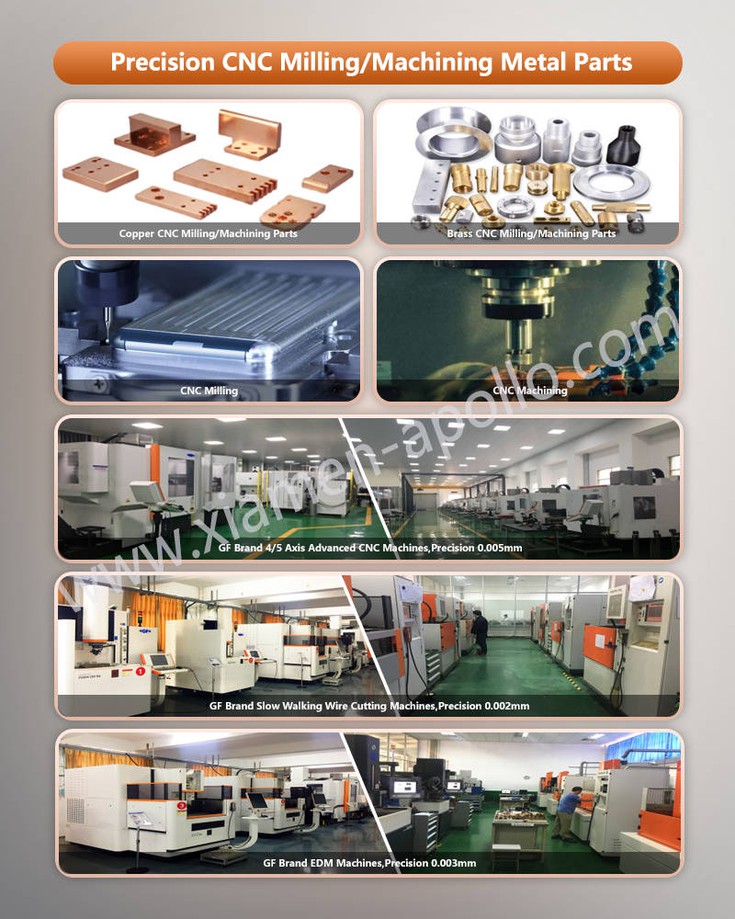
When machining parts with enclosed cavities, directly inserting an end mill vertically into solid material is an extremely dangerous operation. This not only leads to insufficient chip space and poor chip removal, but also prevents the dissipation of a large amount of cutting heat, causing workpiece expansion or even tool breakage. The correct approach is to drill before milling: first, pre-drill the process hole with a drill bit with a diameter no smaller than the end mill, and then allow the end mill to begin transverse milling from the hole. This method greatly improves chip removal and cooling conditions, effectively prevents thermal deformation, and ensures the dimensional accuracy and surface integrity of the internal cavities of CNC aluminum parts.
If you have high-precision aluminum machining needs, or wish to develop a customized anti-deformation process solution for complex parts, please feel free to contact us. Leveraging our sophisticated manufacturing processes and extensive industry experience, we will provide you with professional and efficient customized production services.
contact us
