

Relay introduction
A relay is a device that can control the speed of the motor by changing the voltage and frequency of the motor. It can achieve smooth starting, smooth stopping, and other functions, and is particularly suitable for equipment that requires high-precision control. The relay consists of two parts: the main circuit and the control circuit. The control circuit is composed of electronic components, and the main circuit requires mechanical components. The middle yoke is one of the important components.

The role of the middle yoke
The middle yoke is located in the center of the relay main circuit and plays an important role in transmitting force and fixing the motor rotor. The main functions of the relay middle yoke are as follows:
1. Stabilize the operation of the motor
The relay will generate high-frequency vibration when working. To ensure the stability of the motor operation, the middle yoke is needed to bear the role of transmitting force and transmit the force to the motor rotor, so that the entire motor runs more smoothly and stably.
2. Protect the motor
The middle yoke can also protect the motor. When the motor load changes suddenly or a fault occurs, the middle yoke will transmit the reaction force generated and interrupt the current through a mechanical shearing device, thereby preventing the motor from being damaged due to the fault.
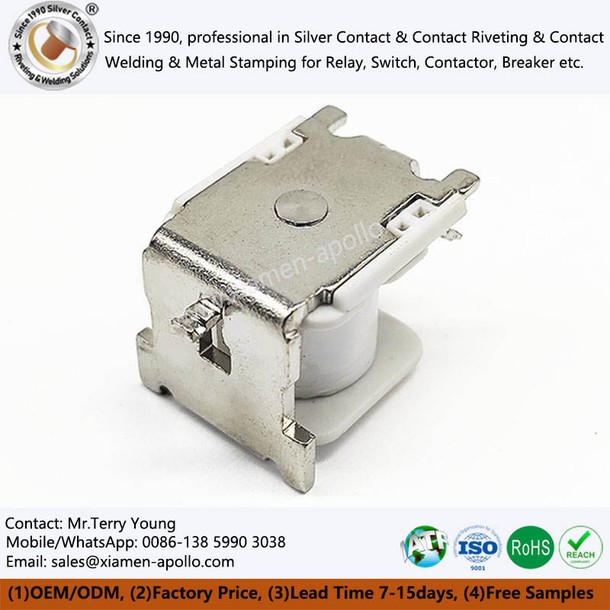
3. Extend the service life of the motor
The middle yoke can not only stabilize the operation of the motor but also reduce the wear of the motor to a certain extent and extend the service life of the motor.
Summary
The middle yoke of the relay is a very important component. It can stabilize the operation of the motor, protect the safety of the motor, and extend the life of the motor. During use, it is recommended to regularly check whether the middle yoke is loose or worn, and replace it in time to ensure the normal operation of the relay.