

In modern automotive electrical systems, relays serve as fundamental components essential for current control and circuit protection. By utilizing a low-current signal to control a high-current flow, automotive relays enable the automatic control and safety protection of various electrical devices; consequently, they are widely integrated throughout a vehicle's electronic systems. As the level of automotive electrification continues to advance, relays have evolved beyond their traditional on/off switching functions to become critical actuator components within intelligent electronic control systems. In this context, core metal structural parts-such as the Relay Steel Yoke-play a vital supporting role in ensuring both the operational stability and magnetic circuit performance of the relay.
Fundamentally, an automotive relay is an electrically controlled switch. Its operating principle relies primarily on an electromagnetic coil generating a magnetic field to actuate a set of contacts, thereby establishing or interrupting an electrical circuit. During this process, the Pure Iron Relay Yoke Plate-serving as a critical structural element within the magnetic circuit-effectively enhances magnetic flux conduction efficiency, thereby improving the relay's pull-in stability and response speed. Given its superior magnetic permeability, pure iron is widely utilized in the magnetic circuit systems of automotive relays.
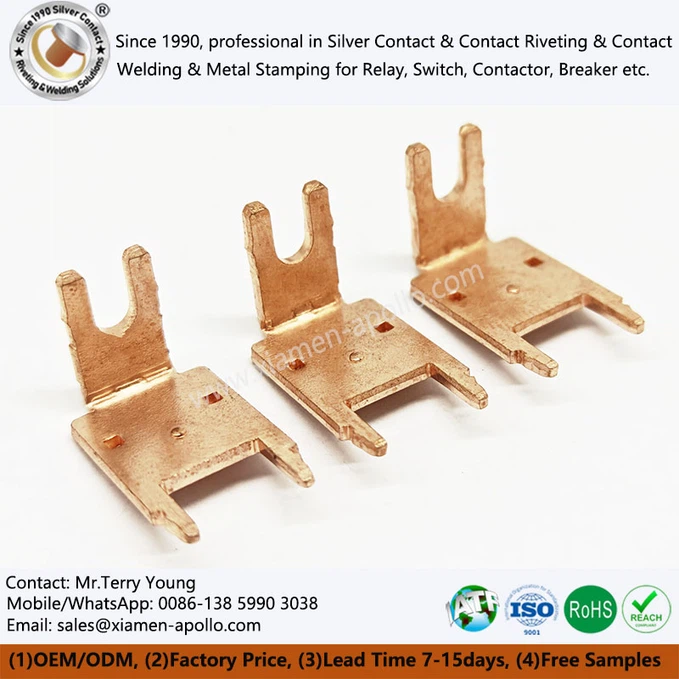
Currently, vehicle interiors house a multitude of electrical devices requiring high-current drive, such as starter systems, air conditioning compressors, electric cooling fans, lighting systems, windshield wipers, and fuel injection systems. If standard mechanical switches were used to directly control these high currents, it would not only lead to excessive heat generation within the wiring but also increase switching losses. Relays utilize precision-stamped structures-such as the Relay Yoke Stamping-to achieve electromagnetic control; this allows a relatively small control current to facilitate the stable operation of high-power electrical devices, thereby reducing the overall electrical load pressure on the vehicle's wiring harness.
The primary function of an automotive relay is to "control high currents using low currents." This capability effectively prevents control switches located within the cabin from being subjected to excessive electrical loads, thereby enhancing the safety of the vehicle's electrical system. For instance, the starter relay within a vehicle's starting system utilizes a low-current control signal to actuate the high-current circuit powering the starter motor, thereby initiating the engine start-up process. During this process, the structural stability of the Sheet Metal Relay Yoke directly influences the effectiveness of the relay's magnetic circuit closure and the reliability of its operation; consequently, this component demands a high degree of dimensional precision and superior material properties.
The second significant function is the reduction in the number of manual switches. As modern automotive electronics become increasingly sophisticated, a growing number of vehicle systems require automated control. Through the use of relays, Electronic Control Units (ECUs) can centrally manage multiple electrical devices, thereby eliminating the need for complex layouts of mechanical switches. This is particularly evident in smart vehicles and new energy models, where Power Relay Yokes are extensively integrated into high-power relay assemblies to meet the demands of higher electrical loads and higher-frequency switching operations.
The third core function is the facilitation of sequential control. Many systems within a vehicle do not operate in simple isolation; rather, they must execute in a specific sequence according to a pre-programmed logic. For example, the fuel pump must perform a pre-priming sequence before the engine can start; cooling fans must automatically activate and deactivate based on temperature readings; and the air conditioning system must synchronize its operation with the engine's operating conditions. Relays enable the automated logical switching required by control module commands, while Precision Relay Yoke Stamping Parts ensure the structural consistency of the relay's internal magnetic circuit, thereby enhancing the overall stability and reliability of the vehicle's control system.
The fourth function is the protection of smaller switches and wiring. Given the limited interior space and the complex routing of wiring harnesses within a vehicle, using heavy-gauge wiring for every high-current circuit would not only increase the vehicle's overall weight but also significantly complicate the wiring installation process. The use of relays allows the driver to interact solely with low-current control circuits, while the actual high-current flow is handled through dedicated, independent circuits; this arrangement effectively safeguards both the control switches and the associated low-load wiring harnesses. Particularly in the field of new energy electric vehicles, Magnetic Yoke Metal Stamping for EV Relays plays a crucial role in the magnetic field control and current stability of high-voltage relays.
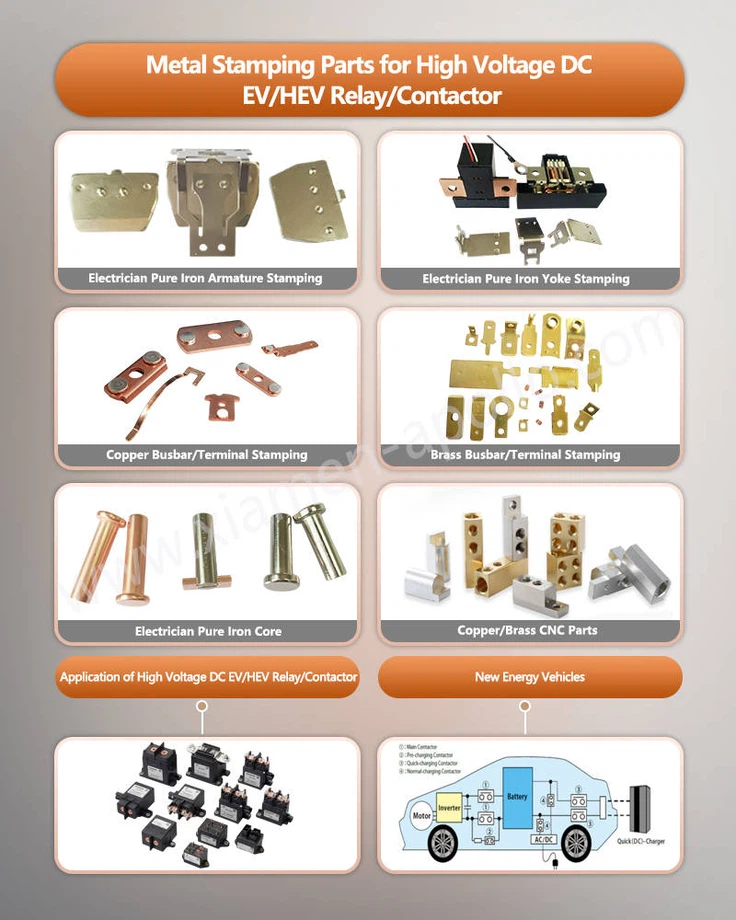
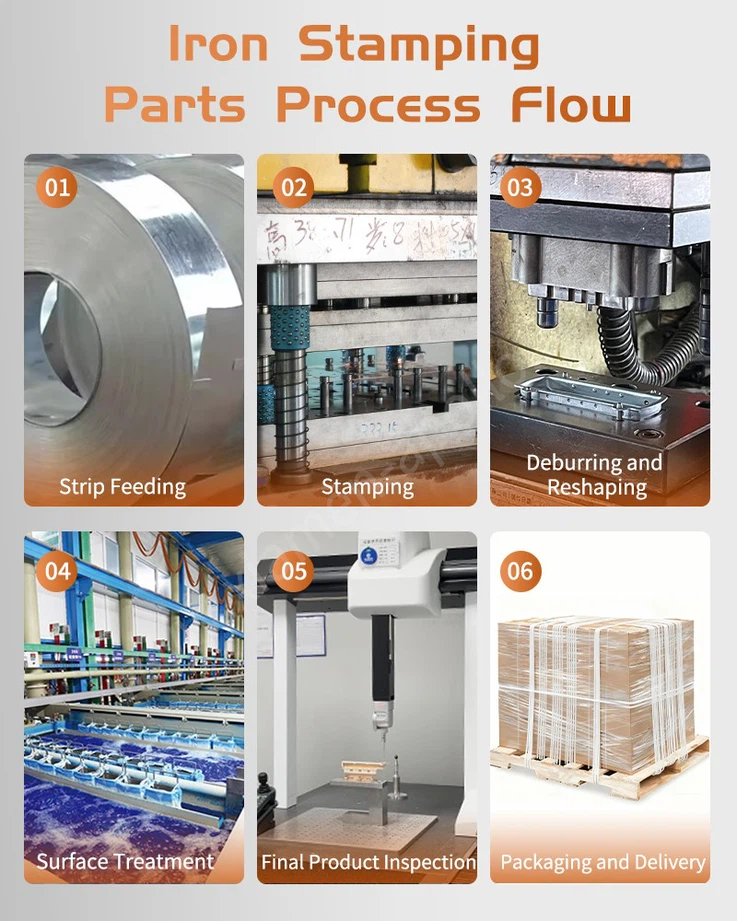
From the perspective of manufacturing processes, the internal metal frames and yoke-like components within automotive relays are typically produced using high-speed precision stamping techniques. During the manufacturing of these precision relay yoke metal stamping parts, strict control over flatness, dimensional tolerances, and material magnetic permeability is essential to ensure the relay operates with high sensitivity, achieves stable pull-in, and possesses a long service life. Furthermore, given that automotive relays frequently operate in complex environments characterized by vibration, high temperatures, and high humidity, the durability requirements for their components are exceptionally rigorous.
Within the electromagnetic structure of a relay, the primary function of the electromagnetic relay yoke frame is to establish a complete magnetic circuit while providing structural support for the coil and the moving contact system. A well-engineered magnetic circuit design not only serves to reduce energy consumption but also enhances the operational efficiency of the relay. Concurrently, the mechanical strength of the relay iron yoke bracket determines the structural stability of the relay during prolonged periods of frequent operation.
Currently, pure iron remains one of the key materials utilized in the magnetic circuit systems of automotive relays. Pure iron stamped relay yokes are widely valued for their application in high-performance relays, owing to their excellent magnetic permeability and consistent stamping characteristics. This is particularly critical in high-frequency switching relays, where the material's magnetic hysteresis loss and magnetic conduction efficiency directly impact product performance; consequently, manufacturers typically subject these materials to rigorous screening and process optimization.
Overall, although automotive relays are classified as basic electronic components, they play a critical role within a vehicle's overall control systems. Whether in traditional fuel-powered vehicles or new-energy electric vehicles, relays fulfill vital functions related to circuit control, safety protection, and automated actuation. As automotive electronics technology continues to advance, the demands regarding the precision of relay structural components, their magnetic permeability, and their overall reliability will continue to rise; consequently, the importance of manufacturing technologies for the Relay Metal Skeleton Yoke will be further amplified.
contact us
