

Automotive relays are core components specifically designed for the electrical control systems of vehicles. Evolving in tandem with the iterative upgrades of automotive electronics and electrical products, they serve a wide array of vehicle electrical control systems. In traditional internal combustion engine vehicles, relays are primarily utilized in various applications-such as starting systems, air conditioning, lighting, windshield wipers, and electronic fuel injection systems-all of which involve low-voltage products with a typical operating range concentrated between 12V and 48V. In this context, the early adoption of metallized ceramics provided a fundamental guarantee for the insulation performance of these traditional relays.
With the rapid rise of the new energy vehicle (NEV) industry, both the application scenarios and technical requirements for automotive relays have undergone a fundamental transformation. The main circuit voltages in NEVs typically exceed 200V-significantly higher than the 12V to 48V range found in traditional vehicles. Consequently, in addition to being equipped with traditional low-voltage relays, NEVs must also incorporate specialized high-voltage DC relays to effectively meet the control requirements of their high-voltage circuitry.
Compared to traditional vehicles, the interplay between power currents and information currents within NEVs is far more intricate, thereby imposing more stringent demands on the reliability and electrical performance of high-voltage relays. This signifies that the NEV industry is poised to witness a substantial increase in both the volume and quality standards required for relay products. In particular, the advanced application of ceramic metallization technology has emerged as a pivotal factor in enhancing the insulation and high-temperature resistance of high-voltage relays, thereby enabling them to effectively withstand the rigorous operating conditions inherent to new energy vehicles.
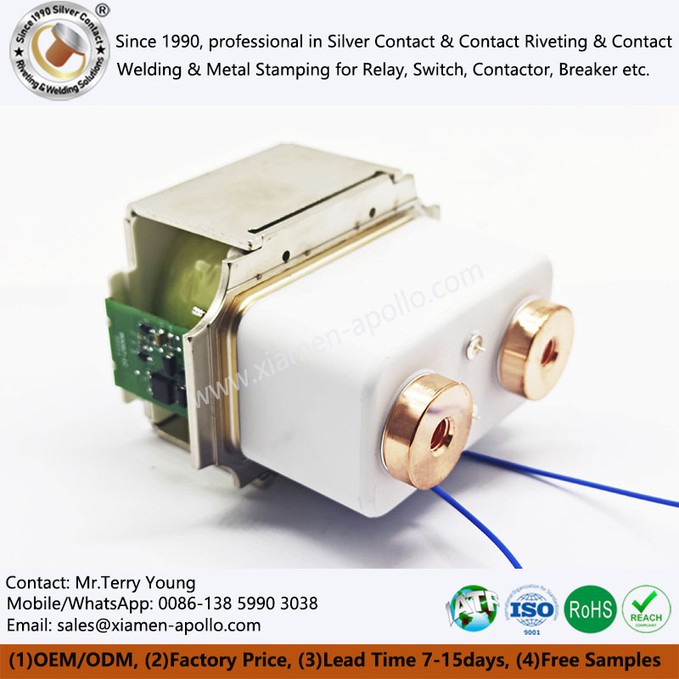
As a core component of high-voltage DC relays, which utilize electromagnetic principles to control the switching of high-voltage circuits, their critical role is manifested during vehicle startup, shutdown, charging, and operation. They not only precisely control the opening and closing of high-voltage DC circuits but also rapidly interrupt the circuit in the event of anomalies-such as overloads or short circuits-thereby safeguarding the security of electrical equipment. Furthermore, they serve to isolate the high-voltage system during vehicle maintenance and repair, ensuring the safety of personnel.
In terms of market scale, the rapid proliferation of new energy vehicles has opened up vast opportunities for growth within the Alumina Metallized Ceramics for Bonding for high-voltage relay market. Relevant data indicates that in 2022, the market size for high-voltage relays in China's new energy vehicle sector reached 6.654 billion RMB, demonstrating a steady upward trajectory. Based on current industry trends, my country's new energy vehicle market is expected to maintain stable growth in the coming years; consequently, the high-voltage relay market is projected to sustain a steady and rapid expansion, with the domestic market size for electric vehicle high-voltage relays anticipated to exceed 10 billion RMB by 2026.
On a global scale, the market for high-voltage DC relays in electric vehicles reached 16.4 billion RMB in 2024. Driven by the increasing global penetration rate of new energy vehicles, this market is projected to grow at a Compound Annual Growth Rate (CAGR) of 19.56%, reaching a market size of 48.1 billion RMB by 2030. The continuous expansion of the global market provides powerful momentum for industry development and simultaneously drives technological advancements in core materials, such as Metallized Alumina Ceramics.
Regarding the competitive landscape, the high-end segment of the new energy vehicle high-voltage DC relay market remains dominated by domestic and international industry giants. These enterprises possess strong competitive advantages in areas such as brand reputation, product quality, and R&D capabilities, thereby capturing the majority share of the market. Globally, the production of metallization of alumina ceramics is highly concentrated; the top five manufacturers collectively hold approximately 62% of the market share, indicating a high level of industry concentration.
Notably, domestic enterprises are rapidly rising to prominence, gradually challenging and breaking the monopoly previously held by foreign giants-a trend that is becoming increasingly evident. Leveraging their advantages in pricing and localized distribution channels, domestic firms are continuously enhancing their product competitiveness and steadily expanding their market share. In the future, they are expected to widely displace foreign brands, thereby driving a significant increase in the localization rate of Alumina Metallized Ceramics for Electronic Applications and injecting new vitality into the industry's development.
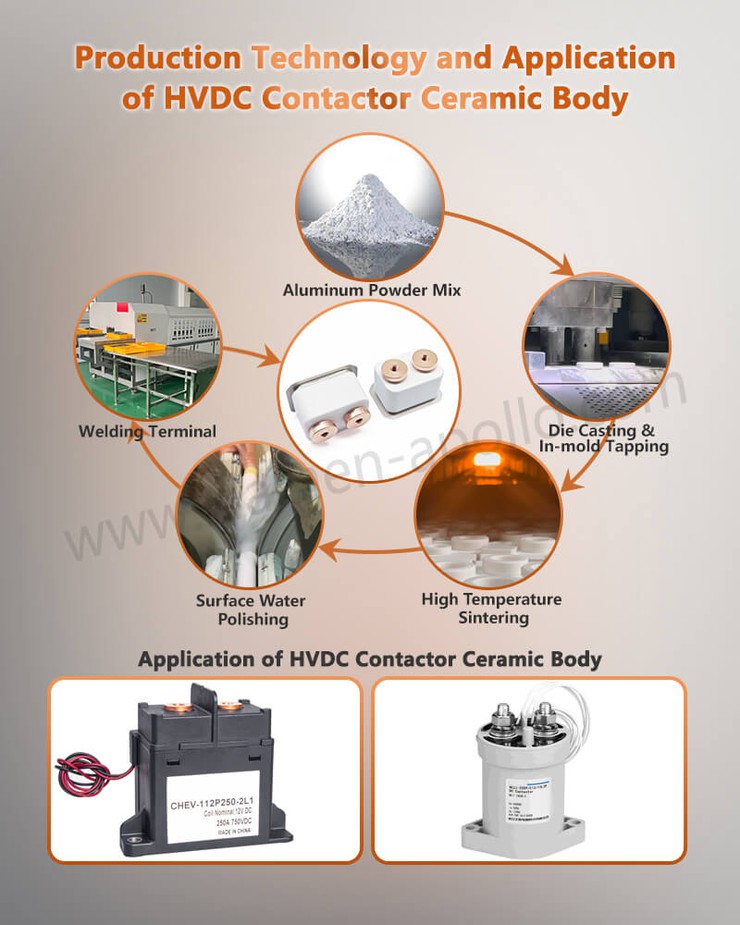
In terms of industry development trends, as new energy vehicles (NEVs) evolve toward greater intelligence, higher voltage systems, and lightweight designs, high-voltage relays are set to undergo upgrades characterized by enhanced reliability, reduced size, superior insulation performance, and lower power consumption. The widespread adoption of 800V high-voltage fast-charging technology imposes more stringent requirements on the voltage withstand ratings, current-carrying capacities, and arc-extinguishing capabilities of high-voltage relays, thereby driving continuous technological iteration within the industry.
Concurrently, the deep integration of novel core materials-such as High-Strength Metallized Ceramic Components-will further elevate the performance ceiling of high-voltage relays, enabling them to adapt to increasingly demanding operating environments. Furthermore, accelerated localization, rising industry concentration, and technology-driven innovation are poised to become the defining characteristics of the NEV high-voltage relay market from 2023 to 2027.
In summary, the period from 2023 to 2027 represents a golden era for the NEV high-voltage relay market; during this time, market scale will continue to expand, technological standards will steadily advance, and the pace of localization will gradually accelerate. As a core control component within NEV high-voltage circuits, the market for "Metallized Ceramics for Electrical Applications" is inextricably linked to the broader NEV industry. Moving forward, as the industry continues to upgrade, this sector will achieve high-quality growth, providing vital support for the safe and stable development of the global new energy vehicle industry.
If you wish to learn more about market trends for NEV high-voltage relays, the application of core materials, or require technical consultation regarding metallized ceramics and ceramic metallization processes, please feel free to contact us for professional assistance.
Contact Us
