

In modern precision manufacturing, brass CNC machining has become a vital technology in the electronics, electrical, hardware, and instrumentation industries due to its excellent conductivity, corrosion resistance, and machining performance. Brass CNC parts not only meet high-precision requirements but are also widely used in a variety of applications, including structural components, conductive parts, and decorative parts.
Introduction to Brass CNC Turned Parts
Brass turned parts are precision copper-zinc alloy parts manufactured through CNC turning or milling. The entire manufacturing process is automated by computer-controlled tool paths and feed rates, enabling high-precision cutting of complex shapes.
In production, a lathe rotates a brass bar at high speed, while a cutting tool, following programmed instructions, removes excess material to create the desired structure. This process enables complete manufacturing, from custom brass CNC machining to CNC-milled brass parts. The resulting products include electronic connectors, valve components, pipe fittings, precision bushings, and various mechanical components.

Five Core Advantages of Brass CNC Machining
1. Excellent Corrosion Resistance
Brass CNC machining parts are naturally corrosion-resistant, offering long-term resistance to moisture, salt spray, and chemical attack. This material property ensures stable performance in applications such as electrical equipment, bathroom fixtures, and the automotive industry.
2. High-Temperature Stability and Heat Resistance
Brass CNC turned parts maintain excellent mechanical properties in high-temperature environments, without loss of precision due to thermal expansion or stress deformation. Both brass CNC machining parts and CNC milled brass parts maintain stable processing even under continuous operation and high loads.
3. Excellent Machinability, Suitable for Complex Structures
Brass is a flexible and easy-to-cut alloy, making it suitable for complex shapes or high-precision customization. Custom brass turning allows for easy multi-faceted machining and detailed finishing, resulting in a smooth, burr-free surface, suitable for automated mass production.
4. High Electrical and Thermal Conductivity
Brass CNC parts offer extremely high electrical and thermal conductivity, making them ideal for manufacturing components such as electrical connectors, conductive copper posts, and relay contacts. Their superior electrical conductivity ensures low energy consumption and stable operation for electronic devices.
5. Excellent Surface Finish
Precision-machined CNC brass parts can achieve a natural "Mill Finish Brass" finish (original bright brass finish) or achieve enhanced wear resistance and decorative effects through surface treatments such as nickel plating, chrome plating, and PVD. This makes them ideal for both structural and exterior components, combining aesthetics and functionality.
Brass CNC Machining Techniques and Key Process Points
To achieve high-quality brass CNC parts and consistent machining accuracy, the following points should be noted during the manufacturing process:
Controlling Tool Temperature and Cutting Parameters
In brass CNC machining, appropriately lowering the tool temperature can reduce thermal deformation and improve surface finish.
Proper Tool Path Planning
Precise tool path design can avoid repetitive cuts and improve the accuracy and efficiency of CNC brass machining.
Using High-Performance Machine Tools and Tools
High-speed spindles and stable fixture systems ensure dimensional consistency during custom brass CNC machining, avoiding vibration and deviation.
Selecting Sharp, Wear-Resistant Tools
When machining CNC brass parts, use sharp cutting edges to reduce cutting resistance and achieve optimal surface quality.
Optimizing Feed and Speed
Selecting the appropriate feed rate and depth of cut, depending on the hardness of the brass alloy, is key to improving machining efficiency and tool life.
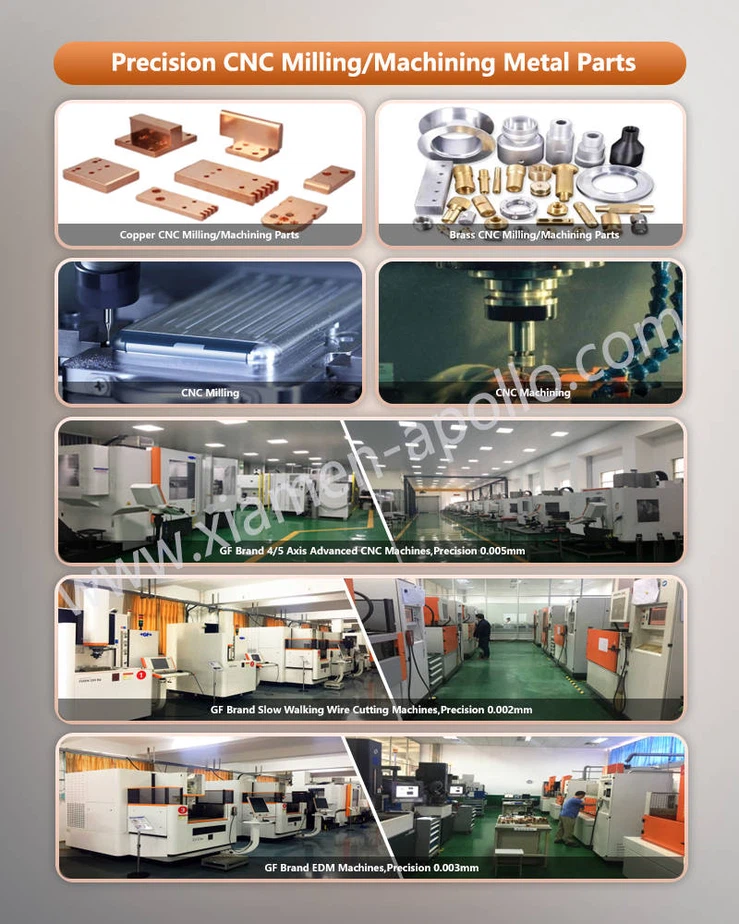
Industry Applications of Brass CNC Parts
Brass CNC parts are widely used in the manufacturing of electronic connectors, sensors, precision valves, mechanical assemblies, instrumentation, decorative hardware, and electrical components. CNC-milled brass parts and brass turned parts are particularly important in areas where both high conductivity and aesthetics are crucial, such as smart homes, automotive electronics, and renewable energy devices.
Summary
Brass CNC turned parts not only embody the high efficiency and reliability of modern precision manufacturing but also showcase the advanced integration of materials science and CNC technology. From brass CNC-machined parts to custom brass turning, and from machining brass parts to CNC brass parts, this process will continue to drive automated machining towards higher precision and performance.
Through continuous optimization of tool path design and processing control, brass CNC machining parts will continue to play a pivotal role in the global manufacturing industry, providing high-quality brass CNC parts and Mill Finish Brass solutions to various industries, including electronics, energy, and machinery.
contact us
