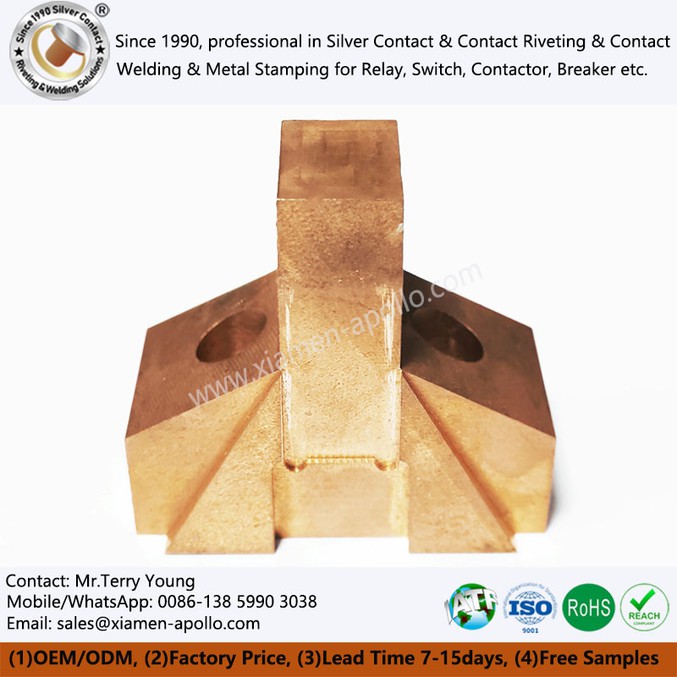
Copper, with its excellent electrical and thermal conductivity and good ductility, is widely used in electronics, communications, medical devices, and heat dissipation components. However, its relatively soft texture makes it highly susceptible to surface damage during machining, such as scratches, tool sticking, indentations, and deformation, directly affecting part precision and lifespan. As the mainstream method for manufacturing high-precision parts, the stable control of surface quality using Precision CNC Machining Copper has become a key technical focus in the industry.
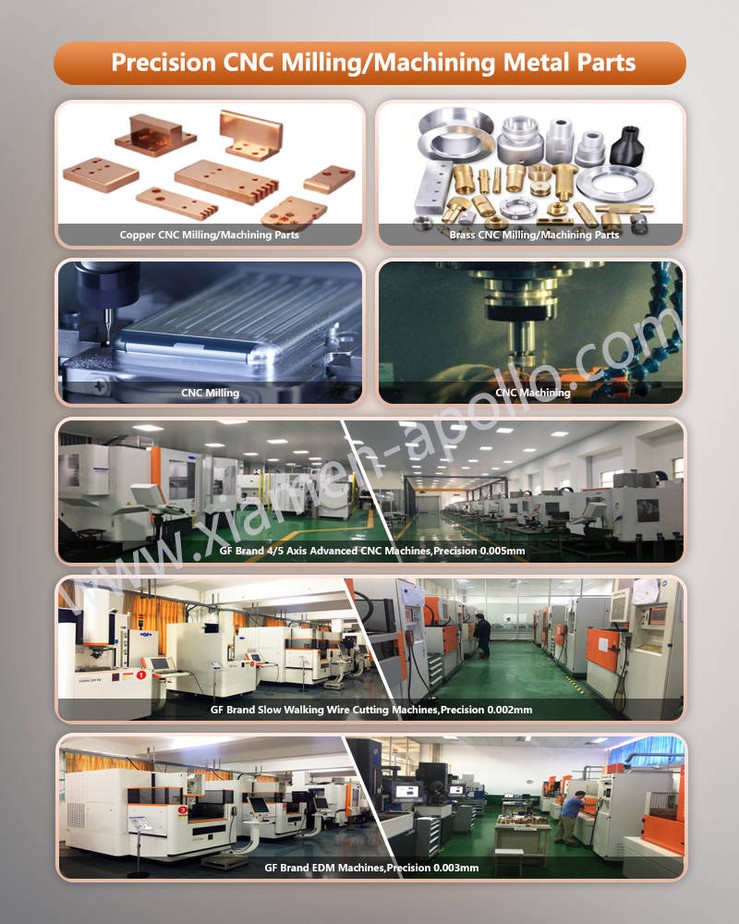
Equipment selection and rigidity assurance are fundamental to stable machining. Considering the characteristics of copper, a CNC machining center with high rigidity, low spindle runout, and high positioning accuracy should be selected, along with suitable tooling fixtures to reduce cutting vibration and clamping deformation. Precision Machined Copper Parts demands even higher equipment stability; only by maintaining stable machine operation can surface textures and dimensional deviations caused by vibration be reduced from the outset.
Optimizing the process route is the core element in controlling surface damage. To address the characteristics of copper parts, such as easy tool sticking and deformation due to extrusion, a multi-stage progressive machining process is employed. Roughing involves leaving reasonable allowances, while finishing utilizes a light-cut, rapid-feed mode to avoid surface tearing and stress concentration caused by large single-cut materials. During Copper CNC Machining, careful planning of the toolpath and cutting sequence significantly reduces the risk of surface scratches, burrs, and deformation.
Tooling and cooling/lubrication directly determine surface finish. For machining copper, sharp, polished carbide tools with low-friction coatings are preferred to reduce material adhesion and built-up edge. Simultaneously, specialized cutting fluids are used to enhance cooling and chip removal, reducing cutting temperature and frictional resistance. Stable tool condition and efficient cooling are crucial for achieving a mirror-like surface finish when implementing Custom CNC Machining Copper Parts.
Precise parameter control ensures a smooth and controllable machining process. Based on the copper grade, part structure, and surface requirements, cutting speed, feed rate, and depth of cut are precisely set to avoid excessive parameters leading to extrusion scratches or excessively low parameters causing chatter marks. In the Best End Mill for Copper production, once parameters are fixed, they must be strictly followed to ensure consistent surface quality across batches of products.
Equipment maintenance and process inspection form a closed-loop quality control system. Regularly calibrating machine tool accuracy, checking tool wear, and maintaining fixtures and cooling systems ensure the equipment is in optimal processing condition. Online monitoring is added during processing to promptly identify surface defects and adjust the process. This comprehensive operation and inspection system ensures stable output from CNC Copper Parts, significantly reducing the defect rate.
Post-processing further enhances appearance and performance. After machining, deburring, polishing, passivation, or protective treatments, eliminate minor tool marks, burrs, and oxide layers, improving surface finish, corrosion resistance, and assembly compatibility. For CNC Machining Capabilities for Custom Copper Parts, standardized post-processing effectively compensates for machining marks, achieving both high precision and aesthetic appeal.
Transportation and protection prevent secondary damage. Copper parts require flexible tooling during handling, cleaning, and storage to avoid direct contact with hard objects and prevent bumps, scratches, and dents. Proper end-to-end protection is crucial to ensuring the high-quality surface finish of Mill Finish Copper remains intact from machining to final delivery.
Personnel skills and standardized operations are the final link in quality assurance. Operators must be familiar with the properties of copper and precision machining requirements, and standardize clamping, tool setting, tool changing, and parameter settings to minimize surface defects caused by operational errors. Enhanced training and standardized operations ensure the effective implementation of quality control for CNC Milling Machine Mill Copper, continuously delivering highly reliable copper parts.
about us
Leveraging mature processes and strict quality control, we can customize copper parts of various specifications to meet specific needs. Our self-developed processes effectively avoid surface damage during machining, achieving dimensional accuracy and excellent surface finish. We professionally supply high-quality Precision CNC Machining Copper products, suitable for various industry equipment needs. We welcome customers to inquire about customization and bulk orders.
contact us