

In today's rapidly evolving manufacturing landscape, precision technology in stainless steel processing has become a key indicator of industrial capability. As high-end equipment manufacturing, intelligent systems, and advanced engineering continue to develop, stainless steel components are increasingly required to meet stricter standards in accuracy, stability, and reliability. Against this backdrop, stainless steel machining parts produced through advanced CNC technologies are playing an essential role in modern industrial systems.
Stainless steel is widely valued for its excellent corrosion resistance, mechanical strength, and thermal stability. These inherent properties make it a preferred material for demanding applications, but they also introduce significant processing challenges. Compared with ordinary metals, stainless steel exhibits higher cutting resistance, lower thermal conductivity, and a stronger tendency to work harden during machining. As a result, producing high-precision CNC stainless steel parts requires advanced equipment, optimized cutting strategies, and strict process control.
In recent years, the application of CNC machining stainless steel parts has expanded rapidly across aerospace, medical devices, automotive systems, and electronic equipment. Components such as structural frames, pressure-resistant housings, connectors, and precision enclosures rely heavily on CNC stainless steel parts to achieve both functional integrity and dimensional accuracy. This trend reflects a broader industry shift toward high-performance materials and tighter tolerance requirements.

Technological innovation in CNC steel parts manufacturing has significantly improved machining efficiency and consistency. Modern multi-axis CNC systems enable complex geometries to be processed in a single setup, reducing cumulative errors caused by repeated clamping. In the production of stainless steel CNC turning parts, optimized tool paths and adaptive cutting parameters help control deformation and maintain surface integrity, even when machining thin-walled or complex rotational components.
Material-specific strategies have also become a key focus in precision processing. For example, milling 304 stainless steel requires careful balance between cutting speed and feed rate to avoid excessive heat buildup, while milling 316 stainless steel demands enhanced tool wear resistance due to its higher nickel and molybdenum content. Similarly, milling 303 stainless steel benefits from improved machinability but still requires precise control to ensure surface quality. These material-dependent approaches highlight the growing specialization within stainless steel CNC milling processes.
Advanced monitoring and feedback systems are increasingly integrated into CNC machining steel parts production. High-precision measurement technologies, including in-process laser inspection and digital probing, allow real-time detection of dimensional deviations. Once deviations are identified, intelligent control systems can automatically adjust machining parameters, significantly reducing scrap rates and improving overall yield. This level of control is particularly critical for stainless steel milling parts used in safety-critical or high-load environments.
Surface finishing technologies have also evolved alongside machining processes. Precision grinding, polishing, and controlled surface treatments are now standard steps to enhance both functional and aesthetic performance. In applications where friction reduction, sealing performance, or visual appearance is important, refined stainless steel milling parts offer improved surface consistency and long-term stability.
From a broader industry perspective, the demand for stainless steel CNC parts continues to grow in parallel with global trends toward electrification, automation, and high-reliability systems. The expansion of renewable energy equipment, precision medical devices, and advanced transportation systems is driving increased adoption of steel CNC machining parts that can operate reliably under harsh conditions. At the same time, stricter quality standards and regulatory requirements are pushing manufacturers to adopt more advanced processing technologies.
The evolution of upstream material production, such as improvements in the stainless steel rolling mill process, has also contributed to better machinability and material consistency. More uniform grain structures and improved surface quality in raw materials enable more predictable machining behavior, supporting higher precision in downstream processing.
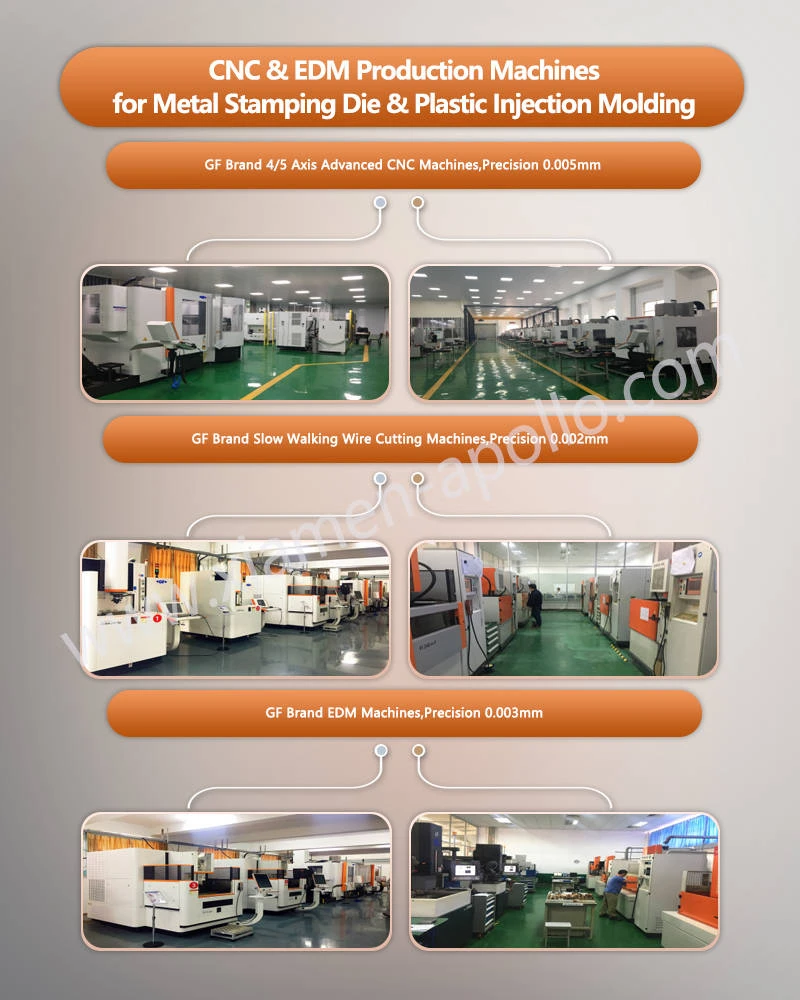
Looking ahead, the future of stainless steel machining is expected to be shaped by digitalization and intelligent manufacturing. Data-driven process optimization, AI-assisted tool wear prediction, and further integration of automation will continue to enhance the precision and efficiency of CNC machining stainless steel parts. As product designs become more compact and functional requirements more complex, stainless steel machining parts will remain a critical foundation for advanced manufacturing systems.
In summary, precision technology in stainless steel processing is no longer just a manufacturing capability but a strategic driver of industrial advancement. Through continuous innovation in CNC stainless steel parts production, machining accuracy, surface quality, and process stability are being elevated to new levels. This ongoing evolution will further support the development of high-end industries and reinforce the role of stainless steel as a cornerstone material in modern engineering.
contact us
