

Sintering is a fundamental and core process within the field of powder materials processing. Primarily utilizing high-temperature heating, this process involves raising powder raw materials to a specific temperature-approaching their melting point-to induce the bonding of powder particles and the shrinkage of pores, ultimately resulting in the formation of a dense, stable solid structure. This process is widely applicable across various material processing sectors-including ceramics, metals, and composite materials-and serves as a critical step in the shaping and modification of ceramics. In the production of metallized ceramics, the sintering process directly determines the structural strength and operational stability of the finished product. It is precisely by leveraging mature sintering technologies that "High-Strength Metallized Ceramic Components" achieve their characteristic high strength and high density, enabling their widespread application across diverse industrial settings.
The primary objective of metallized ceramics is to enhance material density and optimize mechanical properties. Since the ceramic raw materials typically consist of non-metallic compounds-such as oxides, nitrides, and carbides-which possess exceptional structural stability, the technical threshold for processing metallized ceramics is consequently elevated. Within the production workflow for "Metallized Ceramics for Electrical Components," the precise control of sintering parameters is the critical factor in ensuring that the electrical ceramic components meet the required standards for insulation and stability, thereby guaranteeing their seamless compatibility with circuit operations.
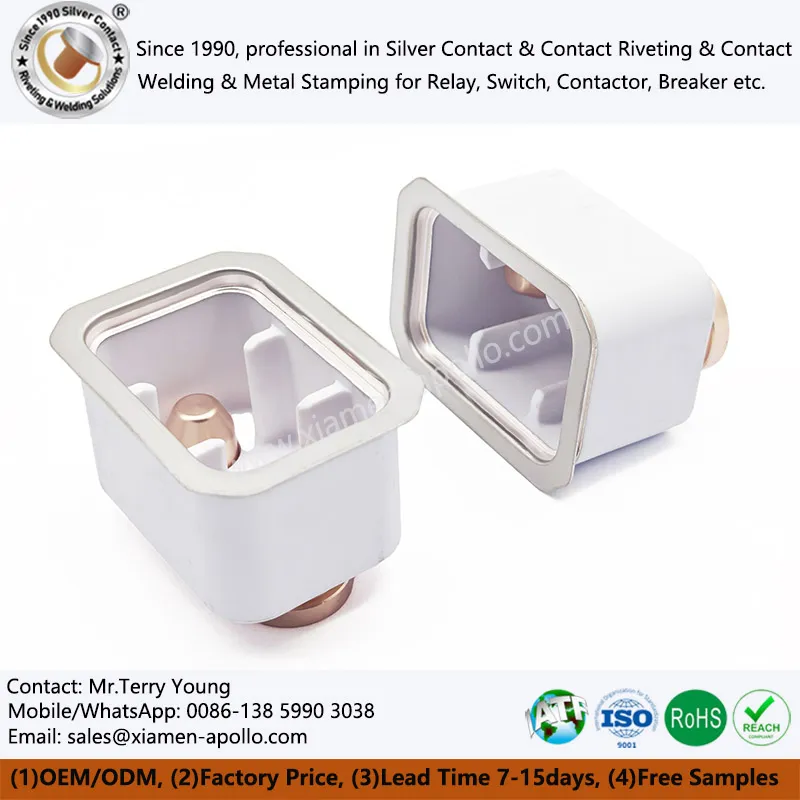
Sintering mechanisms lie at the heart of ceramic sintering processes, with solid-state diffusion and grain boundary migration serving as the core drivers throughout the procedure. At high temperatures, atoms on the surfaces of ceramic powder particles migrate continuously; contact areas between particles expand, pores gradually close and shrink, and complete grain boundaries eventually form, resulting in a densified material. High-temperature metallized ceramic relay cases, designed for demanding thermal environments, rely on stable solid-state diffusion sintering mechanisms to achieve a uniform, dense internal structure and excellent high-temperature resistance.
Due to the high melting points of ceramic materials, a defining characteristic of ceramic sintering is the extremely high temperature required-typically exceeding 1,000°C, which is far higher than the temperatures used for sintering most metals. High heat is essential to drive particle diffusion and achieve densification; precise temperature control directly influences the porosity and structural integrity of the finished product. In the precision machining of alumina ceramic parts, carefully controlled sintering temperatures are crucial for ensuring dimensional accuracy and structural consistency.
To accommodate various ceramic materials and product requirements, the industry has developed a range of mature sintering processes, including mainstream methods such as pressureless sintering, hot pressing, and hot isostatic pressing. Among these, pressureless sintering is the most common fundamental process due to its operational simplicity and broad applicability. To lower sintering temperatures and enhance densification, specialized sintering aids are often added during production to optimize efficiency and product quality; this approach is particularly well-suited for the mass production of metallized alumina ceramics used in electrical components.
While ceramic products created via different sintering processes exhibit varying performance characteristics, they all share the fundamental advantages inherent to ceramics-such as high hardness, high-temperature resistance, corrosion resistance, and excellent electrical insulation-alongside the intrinsic trait of brittleness. These properties make sintered ceramics a core material in high-end manufacturing, capable of withstanding rigorous operating conditions across diverse applications. For instance, metallized ceramic housings for power semiconductors-produced using optimized sintering processes-balance insulation, heat resistance, and structural stability, perfectly meeting the operational demands of power semiconductor equipment.
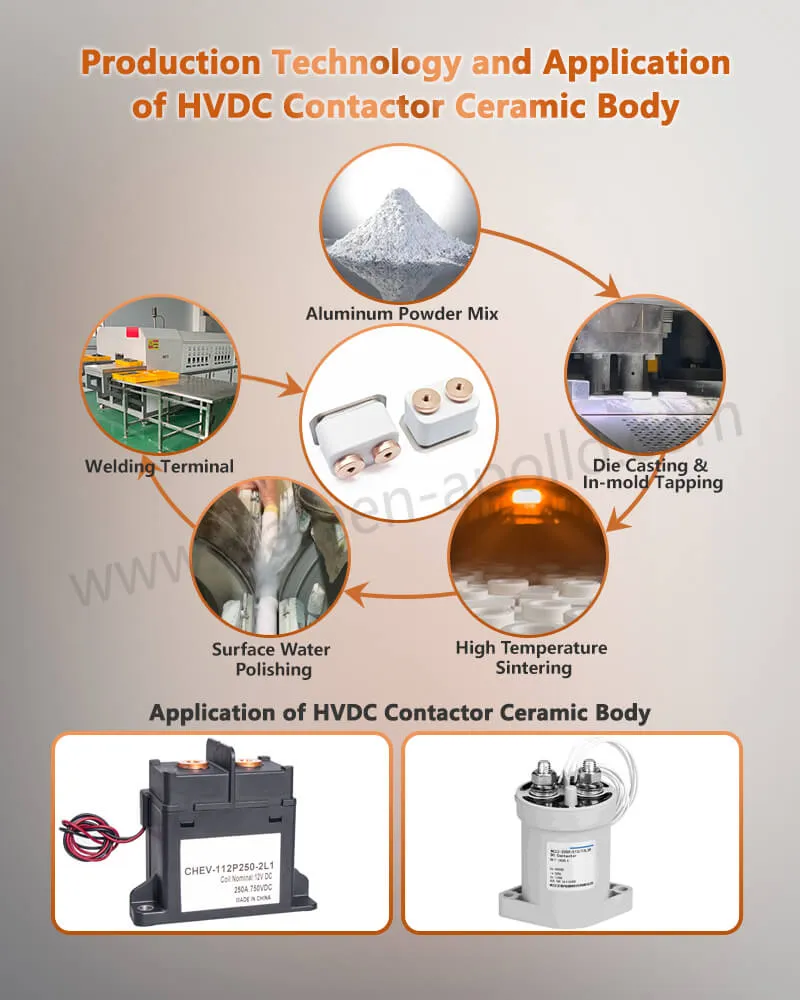
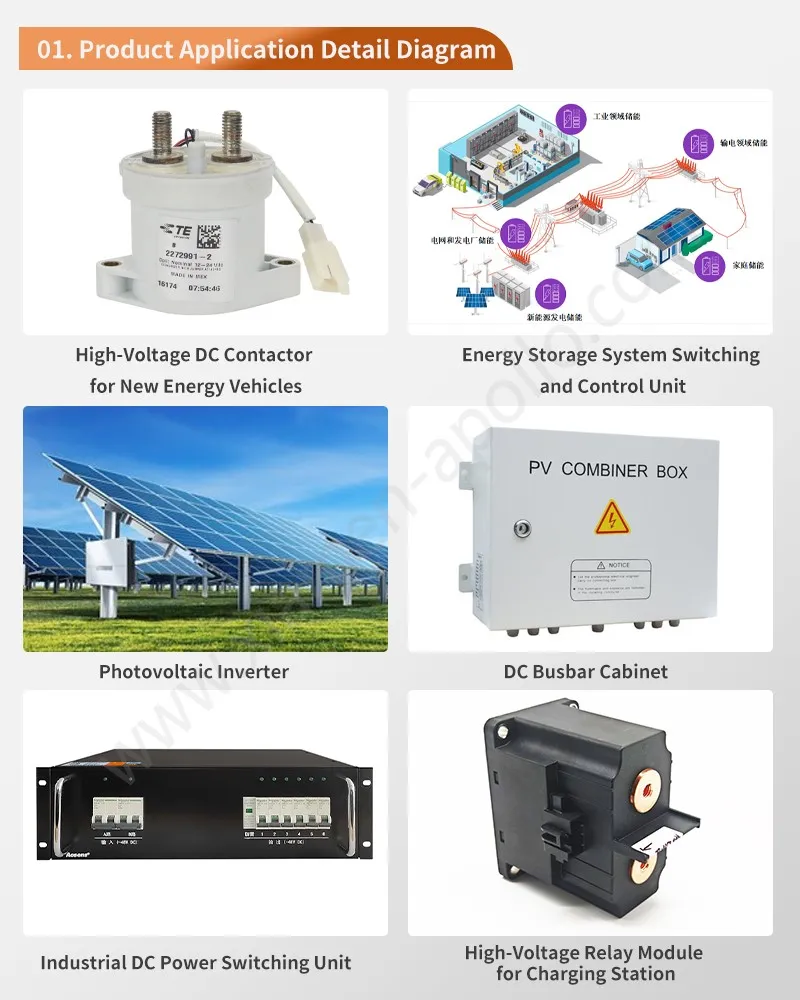
In the field of high-voltage electronic control systems for new energy vehicles (NEVs), the precise application of sintering processes is crucial. Onboard electrical equipment demands exceptional high-voltage resistance, heat resistance, and aging resistance from ceramic components. EV alumina ceramic housings, produced via high-temperature precision sintering, feature a dense, pore-free structure; this effectively isolates high-voltage circuits and withstands environmental interference from complex operating conditions, ensuring the safe operation of the electronic control system.
Specialized sintering processes are employed to optimize the fit and performance of components designed for NEV relays. By precisely controlling sintering temperatures and holding times, EV alumina ceramic relay housings achieve an optimal balance of toughness and insulation performance. This enables them to withstand the frequent switching cycles characteristic of automotive high-voltage relays, overcoming the inherent brittleness and breakage issues associated with standard ceramics. Furthermore, leveraging mature sintering technology, these alumina relay ceramic envelopes offer dimensional precision and stable performance, serving as core components in electrical packaging for new energy vehicles.
In high-voltage DC industrial control equipment, sintering processes ensure the reliable performance of critical components. EV relay alumina ceramic housings-used in high-voltage DC contactors-undergo high-temperature densification sintering to achieve a uniform internal structure and superior insulation and voltage-withstand capabilities. They are designed for long-term operation in high-voltage DC environments, effectively eliminating safety hazards such as electrical leakage and dielectric breakdown. Similarly, metallized ceramic insulating tubes and parts-widely used in industrial applications-are formed using standardized sintering processes, providing reliable insulation protection and structural support for electrical equipment.
A precision sintering process is the foundation for achieving the high precision and stability characteristic of precision metallized ceramics. By optimizing parameters such as sintering temperature, pressure, and duration, it is possible to effectively mitigate the inherent brittleness of ceramics and enhance the overall performance of the finished products, thereby expanding their application across sectors such as aerospace, precision medical technology, and high-end electronics.
Please feel free to contact us for sintering process optimization, precise parameter tuning, and customized processing solutions tailored to specific metallized ceramics; we provide professional technical guidance and high-quality supporting services.
Contact Us
