Brass, a copper-zinc alloy, is widely used in the manufacture of valves, instruments, pipelines, and precision watch parts due to its excellent physical and chemical properties. The quality of Brass for CNC Machining Parts products depends heavily on systematic and standardised processing technology control. In the modern machinery manufacturing industry, standardised processing is a crucial prerequisite for stabilising the quality of brass parts and extending product service life.
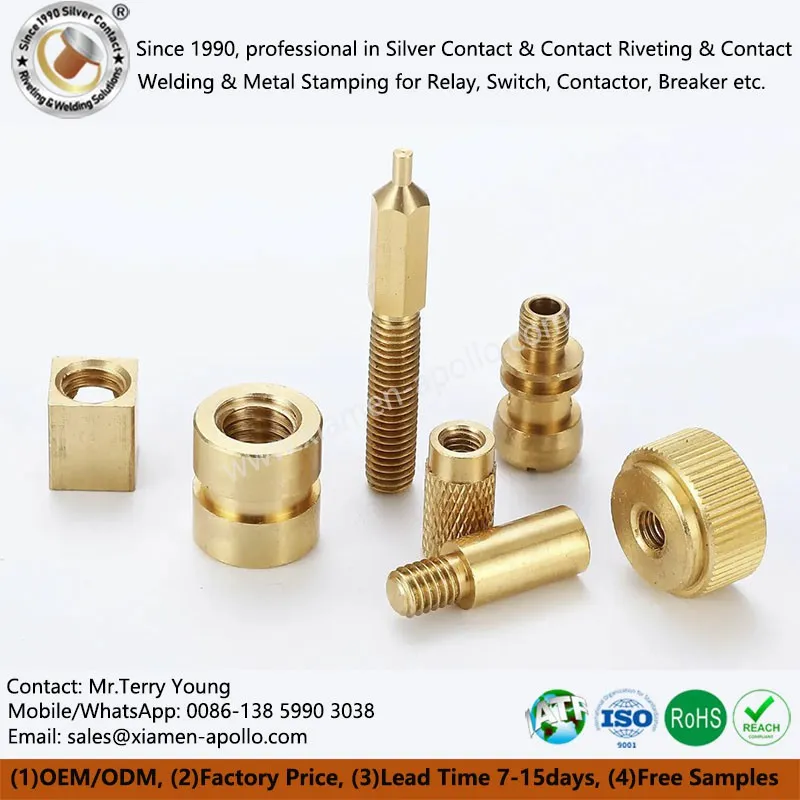
Raw material selection is the first step in controlling product quality. In the early stages of Precision Brass Components production, technicians need to select suitable brass grades based on the actual operating environment of the parts. The selection process requires comprehensive consideration of alloy ratios, material strength, toughness, and corrosion resistance, differentiating materials according to the working conditions of the parts to avoid malfunctions later on due to incorrect material selection.
The scientific selection of forming processes directly affects the production outcome. Fast CNC Machining of Brass Parts can utilise various forming methods, such as casting, stamping, extrusion, and forging, to process blanks. Technicians need to select the processing route based on the complexity of the workpiece's shape, production costs, and the performance of the finished product. Different structural parts are matched with customised process solutions to reduce raw material waste and product defects from the forming stage.
High-quality machining equipment is the hardware guarantee for precision machining. Brass Machined Parts mostly relies on high-precision equipment such as CNC lathes, machining centres, and milling machines to complete cutting operations. High-performance machine tools can effectively improve dimensional accuracy and machining efficiency. Regular maintenance and repair of equipment in daily production can avoid dimensional deviations caused by equipment failure and continuously stabilise the machining level of parts.
Brass has a high coefficient of thermal expansion, and temperature runaway can easily lead to deformation and cracking. High-Precision Turning for Brass must be carefully controlled during the cutting stage. Continuous cooling during machining rapidly dissipates the high temperatures generated by cutting, stabilising the workpiece temperature within a safe range and preventing common machining defects such as cracks and deformation from a temperature perspective.
The appropriate setting of the cutting rate is equally important; CNC Milling Machine Mill Brass machining cannot simply pursue machining speed. Excessive cutting speed can generate a large amount of heat in a short time, increasing the risk of workpiece deformation. High-speed precision machining processes require customised spindle speed parameters based on material properties to balance machining efficiency and finished product yield.
Surface quality inspection and treatment are crucial steps in the finished product's production. The appearance and durability of Precision Brass Components are significantly affected by surface roughness and flatness. After completion, grinding and polishing optimise the workpiece surface condition, while simultaneous sampling inspections are conducted to strictly control various surface parameters and meet assembly and usage standards for various components.
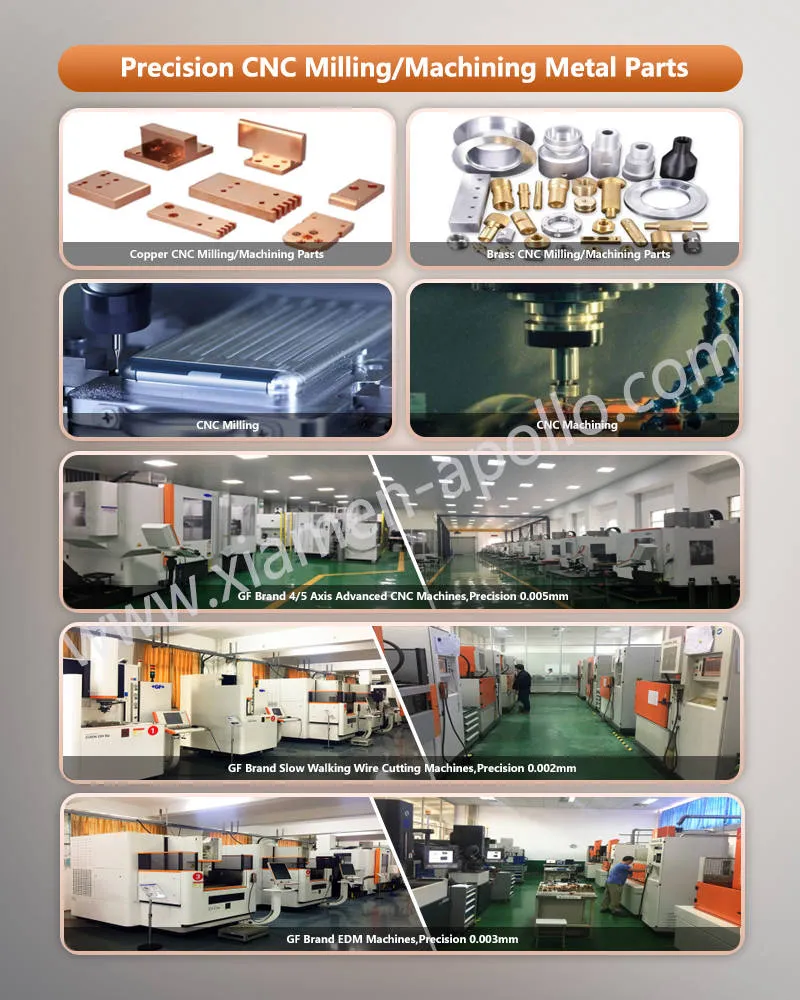
Based on the above-mentioned complete set of standardised machining processes, we can customise Brass for CNC Machining Parts of all grades and specifications. From raw material selection and precision CNC cutting to surface finishing, the entire process is strictly controlled. We are suitable for non-standard and standard parts production in various industries such as plumbing, electronics, and shipbuilding, and can handle orders of both small and large batches.
For customized Turned Milled Brass Parts, please feel free to contact us for consultation and to place a purchase order.
contact us