Contactors, also commonly known as relays, are switching devices capable of frequently switching high-current circuits and providing circuit protection. Those suitable for high-voltage conditions above 200V are classified as high-voltage DC contactors. Based on the housing material, the industry mainstream categorizes products into three types: ceramic vacuum, ceramic gas-filled, and epoxy gas-filled. Different housing materials directly determine the upper limits of the device's insulation, heat resistance, and arc suppression. Ceramic EV Relay Cases, leveraging the inherent advantages of ceramic substrates, have become the mainstream housing solution for high-voltage applications.
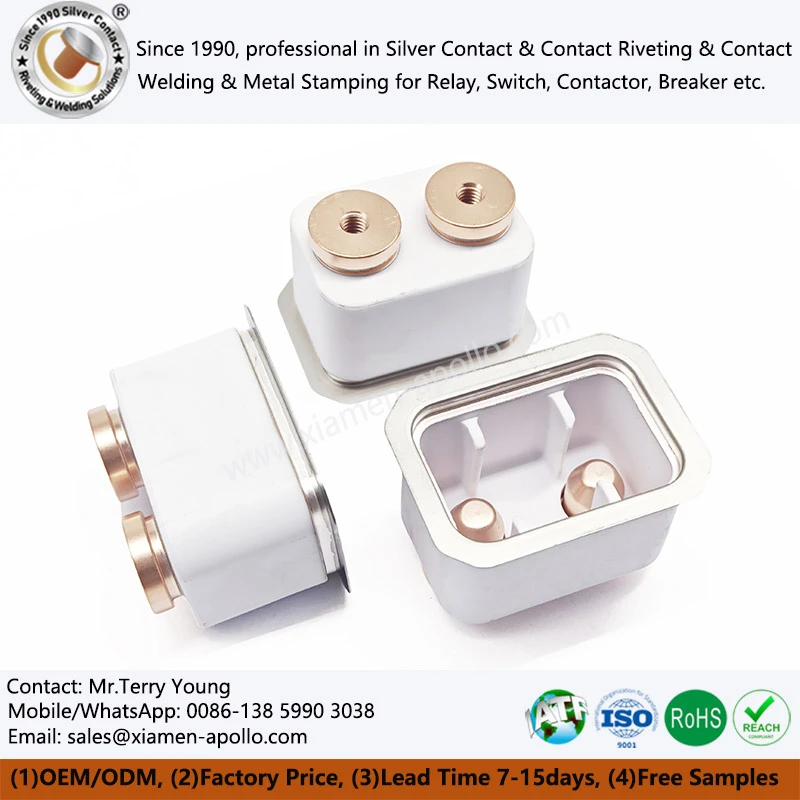
Ceramic vacuum and ceramic gas-filled contactors use ceramic as the main housing, combined with brazing and laser sealing processes. Metallized Alumina Ceramics Relay Parts comprehensively outperform plastic epoxy housings in terms of overall sealing performance, arc suppression capability, service life, and operational stability. Epoxy gas-filled contactors rely on epoxy resin potting, offering a significant cost advantage, but have significant shortcomings in heat resistance, arc resistance, and durability. Currently, new energy high-voltage equipment generally favors ceramic encapsulation structures.
Contactors are used in numerous fields, including home appliances, power, energy storage, and new energy transportation. High-voltage DC contactors are core components of the high-voltage main circuits for new energy vehicles and various charging piles. With the continuous rise in domestic production and sales of new energy vehicles, the number of public and private charging piles is expanding rapidly, leading to a sustained increase in overall demand for high-voltage DC contactors. Alumina Metallized Ceramic for Electrical Relays, with their physical characteristics suitable for high-power charging, are experiencing a corresponding expansion in market demand.
Industry statistics show that domestic annual production and sales of new energy vehicles have both exceeded 3.5 million units, representing a significant year-on-year increase. During the same period, the number of charging piles nationwide exceeded 2.6 million units, a year-on-year increase of over 50%. The expansion of downstream industries has directly driven the rapid growth of the high-voltage DC contactor market, with the overall industry size more than doubling. This market expansion continues to drive a steady increase in demand for High Precision Alumina Ceramic Components.
Excluding brand competition, the overall localization rate of domestic high-voltage DC contactors continues to improve, the industrial chain supporting system is becoming increasingly complete, and the overall industry development is positive. With the widespread adoption of 800V high-voltage platforms for new energy vehicles and the implementation of megawatt-level fast charging, industry standards for contactor housings-specifically, their resistance to high temperatures, high voltages, and short-circuit impacts-are continuously tightening, further highlighting the performance advantages of Metallized Alumina Relay Ceramics.
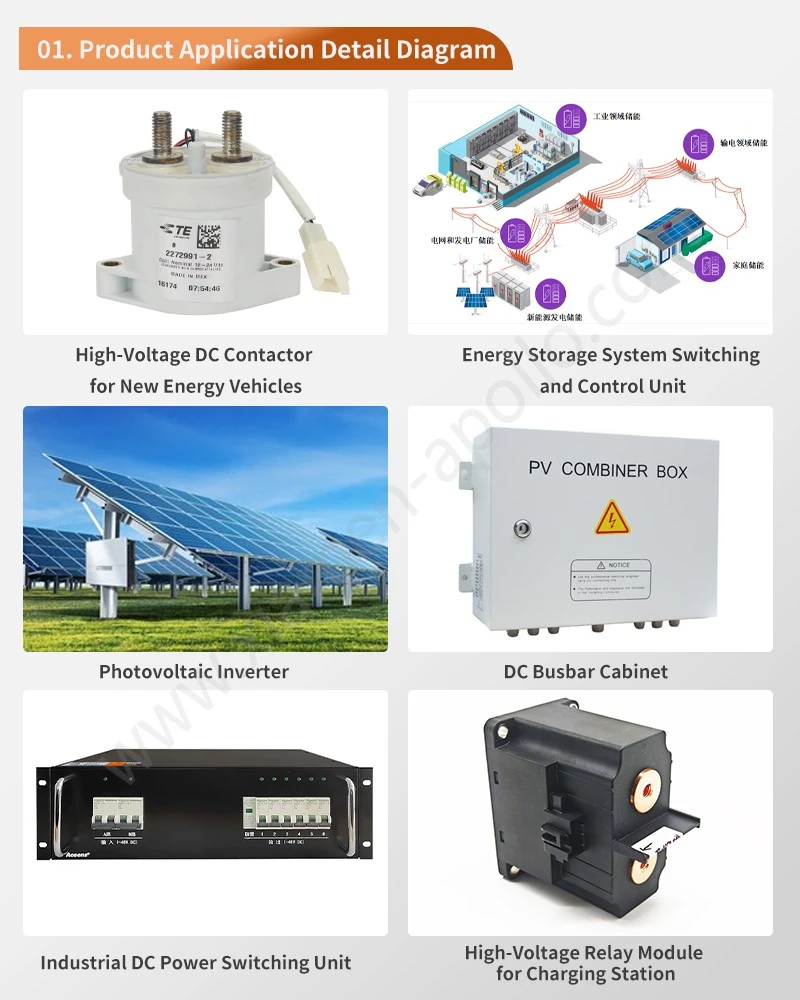
Industry research indicates that the long-term expansion of the new energy vehicle industry continues to open up growth opportunities for high-voltage DC contactors, with market demand and industry scale maintaining steady growth. In the future, the comprehensive iteration of vehicles and charging equipment towards high voltage and high current will continue to drive demand for high-performance housing components, ensuring ample long-term market development potential for High-Strength Metallized Ceramic Components with strong insulation and high heat resistance.
Considering the diverse operating conditions required by the industry, including high-voltage fast charging, energy storage, and high-power photovoltaic power distribution, we have launched our self-developed high-quality Ceramic EV Relay Case, compatible with 1500V, 3000A megawatt-level charging equipment. It boasts multiple advantages, such as high-strength insulation, high-temperature resistance, arc impact resistance, and stable sealing, perfectly addressing industry pain points such as housing cracking, insulation degradation, and insufficient heat dissipation during long-term operation of high-voltage relays.
If you have any needs for purchasing or customizing high-power charging piles, energy storage equipment, or EV HVDC Relay Ceramic Housing, please feel free to contact us to discuss sample testing and bulk cooperation.
contact us