

Metallized ceramic components represent a critical manufacturing technology within the fields of modern electronic packaging and electrical interconnection. Their core objective is to form a robust, electrically conductive metal layer on a ceramic surface, thereby enabling a reliable bond between the ceramic and the metal. Driven by the rapid advancements in the electronics industry, new energy vehicles, power electronics, and industrial automation equipment, Alumina Metallized Ceramics-distinguished by their exceptional insulating properties, high-temperature resistance, and mechanical strength-have emerged as one of the most prevalent materials in the realm of metallized ceramic components.
From a technical perspective, ceramics and metals are materials with vastly different properties; they exhibit distinct differences in their coefficients of thermal expansion, surface reactivity, and chemical structures. Consequently, specialized metallization processes are indispensable for achieving a stable and durable bond between them. As manufacturing technologies continue to evolve, Precision Metallized Ceramics have become capable of meeting the stringent demands of high-precision electronic devices regarding dimensional tolerances, hermeticity, and reliability, finding widespread application across high-end industrial sectors.
In the actual production process, the quality of the ceramic substrate directly dictates the efficacy of the subsequent metallization. This is particularly true for products featuring complex geometries or requiring high precision; such components must first undergo a process of Alumina ceramic parts precision machining. This ensures that dimensional accuracy, hole positioning precision, and surface quality all meet the specified design standards, thereby establishing optimal conditions for the subsequent deposition of the metal layer.
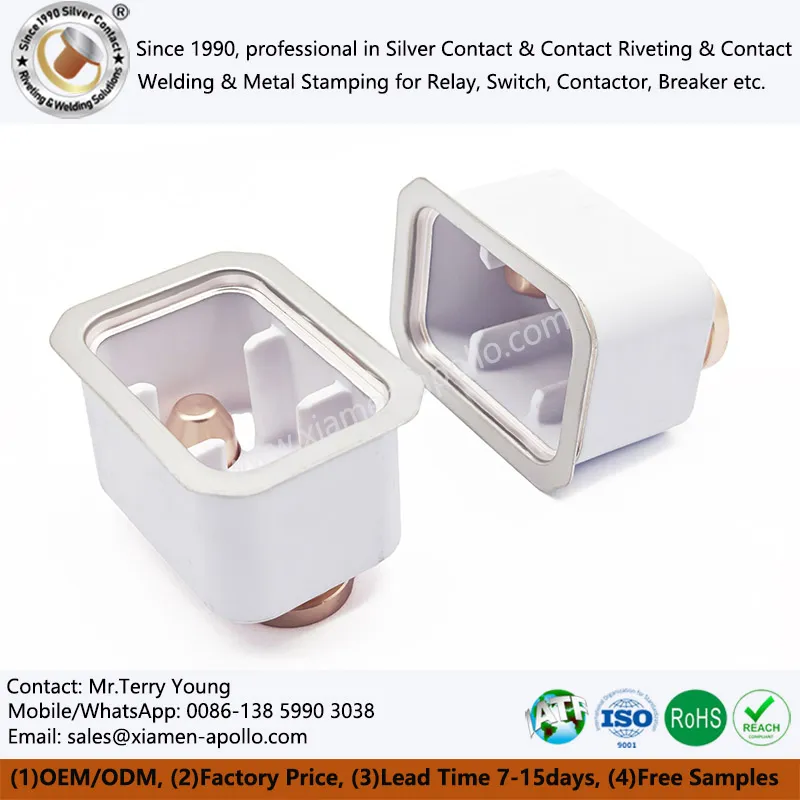
The first step in ceramic metallization is typically surface cleaning. Since ceramic surfaces may harbor oil stains, dust, and processing residues, it is essential to thoroughly remove these impurities using methods such as ultrasonic cleaning, solvent cleaning, or chemical cleaning. For metallized alumina ceramics used in electrical components, surface cleanliness directly impacts the adhesion of the metal layer and the reliability of subsequent soldering; thus, it serves as a critical foundation for the entire manufacturing process.
Once cleaning is complete, surface pretreatment is required. The primary objective of pretreatment is to enhance the surface reactivity of the ceramic and increase the bonding strength between the metal layer and the substrate. Common methods include surface roughening, chemical activation, and plasma treatment. For insulating structural components-such as metallized ceramic insulating tubes and other metallized ceramic parts-appropriate pretreatment effectively improves the uniformity of the metal layer as well as its long-term operational stability.
Next comes the critical metallization stage. Currently, the industrial sector widely employs the molybdenum-manganese metallization process, electroless plating, and physical vapor deposition (PVD). Among these, the molybdenum-manganese method involves printing a metal paste onto the ceramic surface followed by high-temperature sintering, thereby creating a robust metallurgical bond between the metal particles and the ceramic substrate. For metallized ceramic products intended for electrical components, this process offers a combination of stability and advantages in mass production, making it the most widely adopted method.
Upon completion of the metallization process, a high-temperature heat treatment is typically performed. This heat treatment facilitates the formation of a stable metallurgical bond between the metal layer and the ceramic substrate while simultaneously relieving internal stresses and enhancing the overall structural reliability. In the field of high-power electronic devices, metallized ceramic housings for power semiconductors are required to withstand prolonged exposure to high-temperature operating environments; consequently, the quality of the heat treatment directly determines the product's service life and performance characteristics.
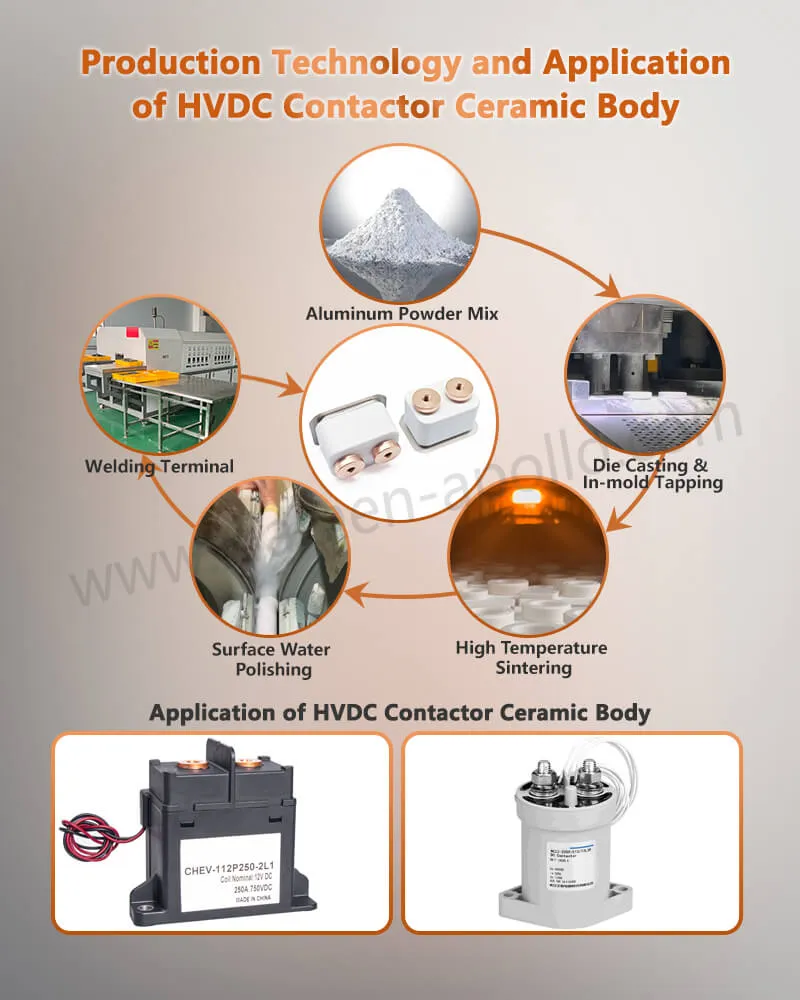
As electric vehicle technology evolves, the design of alumina ceramic housings for EVs is trending toward greater lightweighting and higher integration. These housings must not only meet rigorous automotive-grade reliability standards but also achieve a perfect hermetic braze seal with internal metal conductive terminals. Advanced metallization processes ensure a robust bond between the ceramic and metal-maintaining integrity despite prolonged vibration and thermal shock-thereby safeguarding the vehicle's high-voltage system.
Serving as a core component of high-voltage DC contactors in electric vehicles, these alumina ceramic housings represent the state of the art in automotive ceramic-to-metal technology. They demand exceptional hermeticity and resistance to arc erosion, while ensuring zero leakage under extreme thermal cycling. Through precision metallization and brazing, these ceramic contactors provide a critical, robust physical and electrical safeguard for the safe operation of new energy vehicles.
Should you have any technical requirements regarding ceramic metallization, precision machining, or custom packaging solutions, please feel free to contact our professional engineering team; we are ready to provide comprehensive technical support and tailored solutions.
contact us
