

In building installation and interior fit-out projects, the choice of fasteners directly impacts the safety and stability of the overall structure. Expansion bolts-fasteners that achieve high-strength anchoring through mechanical expansion-are widely used in hard substrates such as concrete and brickwork. Among the various types of expansion fasteners, the expansion hook stands out due to its unique structural design. It typically consists of a threaded cylindrical rod, an expansion element, and a suspension end; the threaded rod mates with nuts or other components, while the U-shaped or J-shaped hook at the other end is designed to suspend heavy objects or equipment, significantly broadening the fastener's functional scope.
Regarding its operating principle, the core of this fastener lies in the structure of its expansion element. Usually located at one end of the bolt, the expansion element is typically designed with a conical or spherical shape. As the nut is tightened, the rod moves outward, causing the expansion element to expand and create a secure mechanical interlock with the walls of the mounting hole. This expansion anchor hook, utilizing a wedge-based design, generates immense frictional grip, ensuring excellent anchoring performance. Offering strong holding power and relatively simple installation-often without the need for pre-drilling-it saves construction personnel significant time and effort, making it an indispensable anchoring solution in modern construction projects.
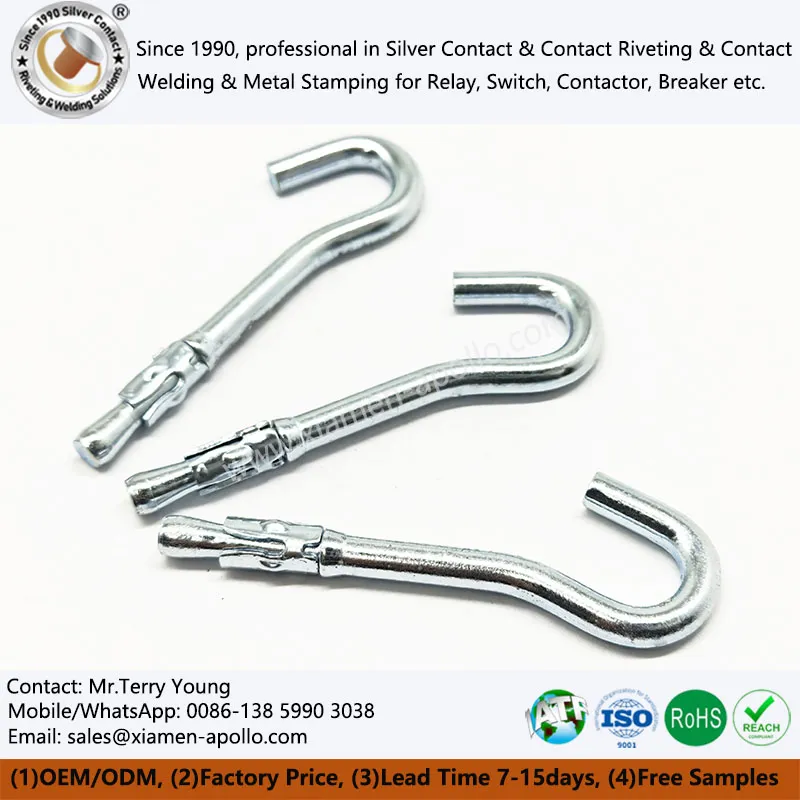
In practical engineering applications, different types of concrete anchor hooks must be matched with appropriate base materials. For instance, metal wall anchor hooks utilizing steel expansion sleeves offer exceptional load-bearing capacity; they are particularly well-suited for hard substrates such as solid concrete and stone, with a single anchor capable of supporting loads ranging from tens to over a hundred kilograms. This high load-bearing capability makes them an ideal choice for securing heavy equipment. Furthermore, in environments subject to vibration, the expansion mechanism effectively resists loosening caused by mechanical operation, ensuring the long-term stability of equipment bases or suspension brackets.
Beyond heavy-duty industrial applications, expansion screw hooks play a significant role in home renovations and commercial spaces. They provide safe and reliable suspension points for securing items to suspended ceilings, partition walls, or lightweight structures. Whether installing large chandeliers and decorative objects, or mounting components subject to dynamic wind loads-such as outdoor air conditioning units and safety railings-wall-mounted expansion hooks offer stable support. Their diverse range of specifications allows installers to flexibly select the most suitable fastener model based on specific load requirements and base material types.
The scope of application for expansion hooks extends even further into the industrial and infrastructure sectors. They are widely used to secure steel structures, aluminum alloy frames, cable trays, switch boxes, and other electrical equipment. In infrastructure projects such as bridges, tunnels, and highways, wall-mounted expansion hooks are employed to anchor safety barriers, dividers, and heavy machinery to concrete surfaces; their high load-bearing capacity ensures the stability of these critical structures under heavy loads and stress. It is fair to say that concrete expansion hooks are the "unsung heroes" of the construction industry, quietly ensuring the safety of various facilities from behind the scenes.
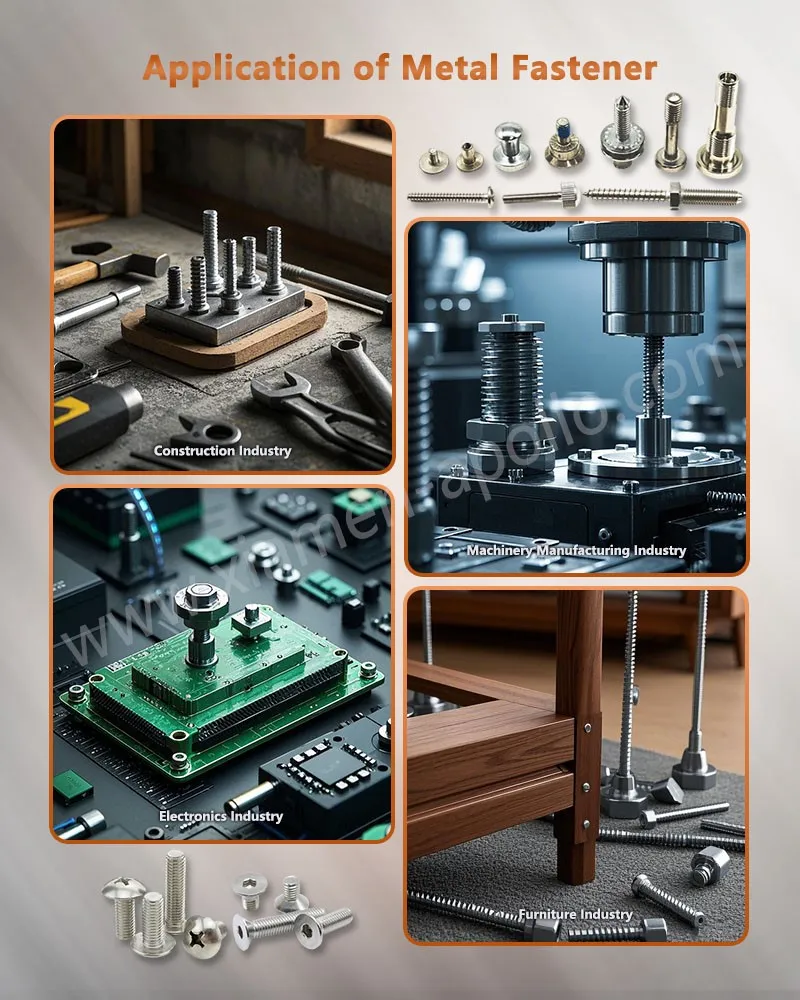
In terms of materials and manufacturing, anchor bolt hooks are typically made from high-strength carbon steel or stainless steel to ensure corrosion resistance and durability in harsh environments. For instance, in humid outdoor areas or corrosive settings like chemical plants, stainless steel hollow wall expansion hooks effectively withstand environmental degradation while maintaining long-term fastening performance. Additionally, some hollow wall expansion hooks feature surface treatments such as galvanizing or Dacromet coating, which further extend their service life and ensure reliable anchoring strength under extreme weather conditions.
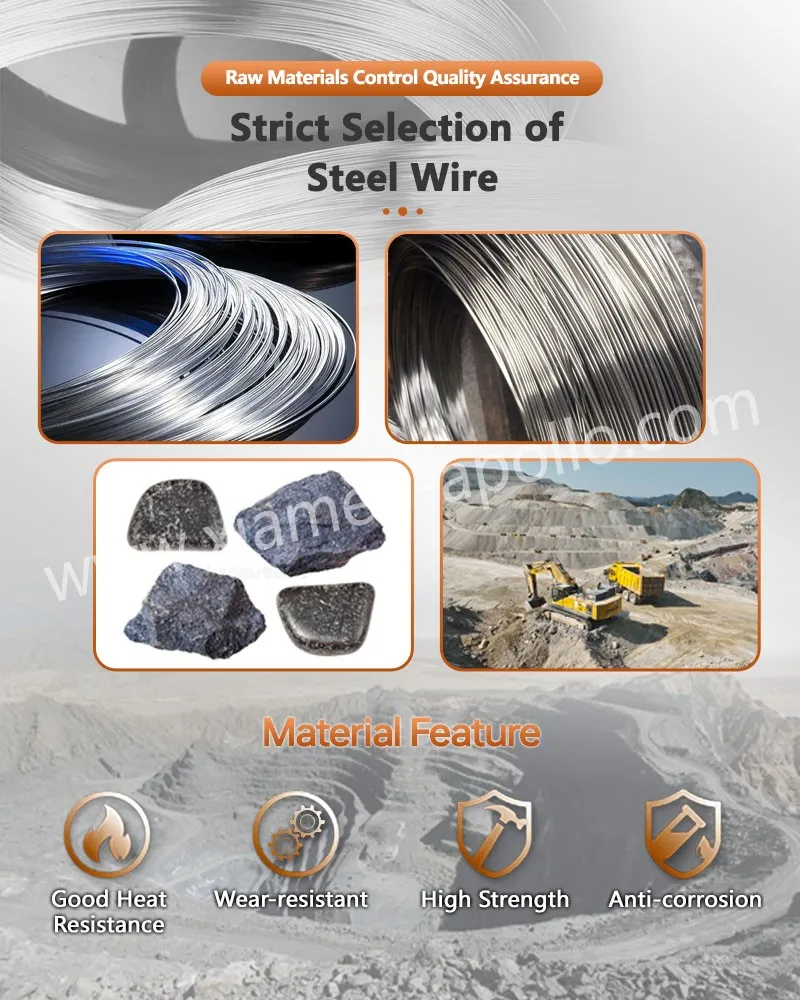
As technology advances, the design of expansion fixing hooks continues to be optimized. Modern hollow wall expansion hooks prioritize not only load-bearing capacity but also ease of installation and safety. Some products, for example, utilize a self-tapping design that allows them to be screwed directly into the base material without pre-drilling, significantly simplifying the installation process. Meanwhile, anti-loosening features have been incorporated into concrete anchor hooks; through the use of spring washers or specialized thread structures, these designs effectively prevent nut loosening caused by prolonged vibration, thereby enhancing the safety of the entire system.
If you have any questions regarding the selection, installation specifications, or custom manufacturing of anchor bolt hooks, please feel free to contact our professional engineering team; we are ready to provide you with comprehensive technical support and solutions.
contact us
