

In the modern industrial field, Stamped Copper Components plays a vital role, and its application range covers many key industries such as electronics, automobiles, and electricity. With the continuous advancement of science and technology, technological innovation is driving the vigorous development of the copper stamping industry with unprecedented power.
1. Breakthroughs in new stamping processes
The traditional copper stamping process often has certain limitations when facing complex shapes and high precision requirements. Technological innovation has brought breakthroughs in new stamping processes, such as the application of high-speed stamping technology. High-speed stamping can complete multiple stamping actions in a very short time, greatly improving production efficiency. For copper, a material with good ductility, high-speed stamping can more accurately shape complex shapes, while reducing the stress changes of the material during the stamping process, thereby improving the dimensional accuracy and surface quality of Stamped Copper Components.
In addition, the development of precision stamping technology has also injected new vitality into the copper stamping industry. By using high-precision molds and advanced stamping equipment, precision stamping can control the dimensional tolerance of copper stamping parts within a very small range. This is of great significance for stamping parts such as copper connectors in the electronics industry that require extremely high precision. These precision stamping parts can better meet the development trend of miniaturization and high performance of electronic equipment, and ensure the stability and reliability of electronic signal transmission.

2. Innovation in material processing technology
In the production of copper stamping components, the innovation of material processing technology is also a key factor in promoting the development of the industry. On the one hand, the surface treatment technology of materials is constantly improving. For example, the use of new chemical coating technology can form a film with special properties on the surface of copper. This film can enhance the corrosion resistance of copper, so that it can still maintain good performance in some harsh environments, such as humid marine environments or industrial environments with chemical corrosive gases. This greatly expands the application range of copper stamping parts, allowing them to be used in more fields with high corrosion resistance requirements.
On the other hand, the pretreatment technology of materials is also constantly innovating. Special heat treatment of copper materials before stamping can improve their internal structure and improve the balance of hardness and toughness of the material. The copper material pretreated in this way is easier to form during the stamping process, and the mechanical properties of the stamped parts after forming are better. For example, the copper heat dissipation stamping parts used around automobile engines have significantly improved stability in high temperature and vibration environments after pretreatment.

3. Introduction of intelligent production and detection systems
Technological innovation is also reflected in the intelligent transformation of the production process of copper stamping components. The intelligent production system can monitor the operating parameters of stamping equipment in real time, such as pressure, temperature, stamping speed, etc. Through sensors and data analysis technology, the system can promptly detect abnormal conditions in the production process and automatically adjust equipment parameters to ensure the stability and consistency of the stamping process. This not only reduces the defective rate caused by human factors, but also improves production efficiency and reduces production costs.
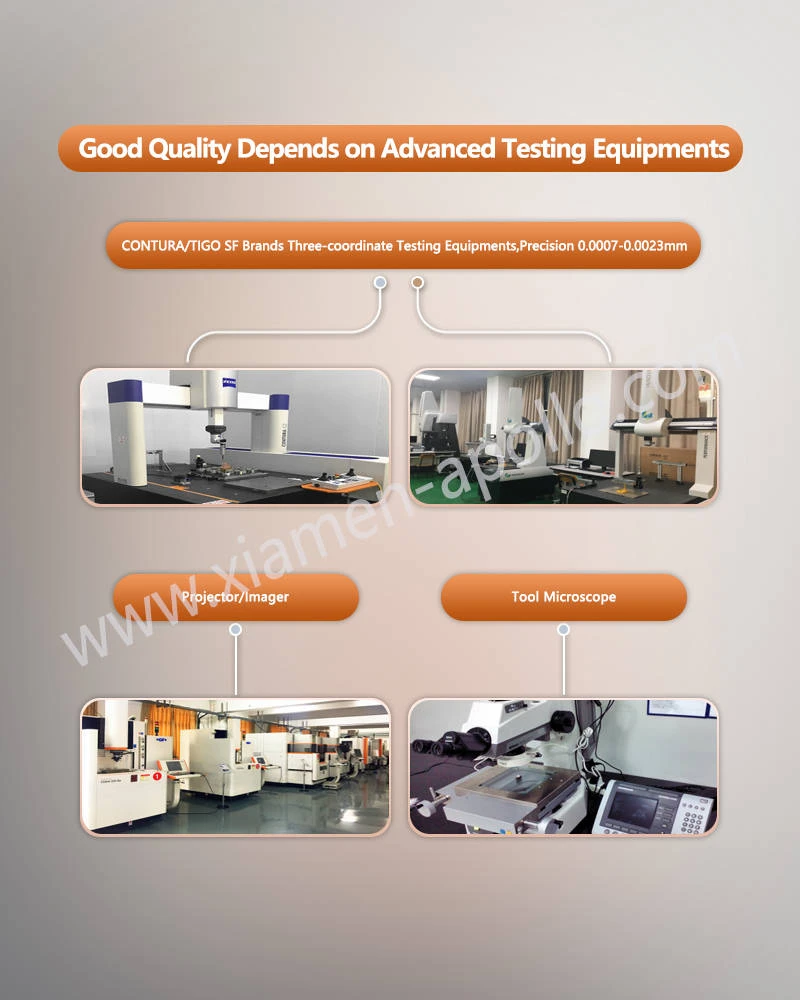
In the detection link, the intelligent detection system uses advanced optical detection, non-destructive testing and other technologies to conduct comprehensive, fast and accurate quality inspection of stamped copper parts. For example, machine vision technology can quickly identify minor defects on the surface of copper stamping parts, such as scratches and cracks. These intelligent detection systems can screen out unqualified products in real time on the production line, ensuring the reliability of product quality, and also saving a lot of manpower and time costs for enterprises.
4. Integration and development with other technologies
The copper stamped parts industry also achieves innovative development through integration with other advanced technologies. For example, combined with 3D printing technology, rapid prototyping of copper stamping parts can be achieved, helping companies to verify the feasibility of design solutions more quickly during the product design stage. At the same time, integration with new material technologies, such as the development of new copper alloy stamping parts, can give copper stamping parts more unique properties to meet the needs of some special industries.
In short, technological innovation is the core driving force for the development of the copper stamping parts industry. From stamping processes, material handling technologies to intelligent production and testing systems, and then to integration with other technologies, these innovative measures are constantly improving the quality, performance and production efficiency of copper stamping parts, and promoting the entire industry to develop in a higher quality, more efficient and more competitive direction. In the future, with the continuous advancement of technology, the copper stamping parts industry is expected to show great potential and value in more fields.

