

In the current era of industrial lightweighting and efficiency optimization, aluminum alloy materials that combine both high electrical conductivity and high mechanical strength have become a core requirement across numerous sectors. In particular, the 6-series-a heat-treatable aluminum-magnesium-silicon alloy-has, through precise compositional formulation and advanced manufacturing processes, successfully shattered the traditional industry paradigm that high conductivity inevitably implies low strength. This material not only exhibits superior mechanical properties but also possesses outstanding electrical and thermal conductivity, making it the material of choice for power transmission, rail transit, and the new energy photovoltaic sectors; it thereby embodies the core value of modern, high-efficiency aluminum materials through its exceptional comprehensive performance.
The high electrical conductivity of this aluminum alloy stems from its scientifically designed composition and optimized processing techniques. As a representative of the Al-Mg-Si alloy family, its magnesium and silicon content is precisely regulated, while the levels of impurities-such as iron-are strictly controlled; this effectively minimizes energy loss as electrons migrate through the crystal lattice. Through specific heat treatment processes, its electrical conductivity can consistently reach 55–60% IACS-approaching the level of pure aluminum while far exceeding that of standard structural aluminum alloys. This characteristic is particularly critical in photovoltaic systems; when utilized as Aluminum Accessories for Solar Mounting, its excellent conductivity not only facilitates the dissipation of static electricity but also provides a vital safety safeguard when serving as a component of the grounding circuit. Furthermore, with a density of merely one-third that of copper, it enables a significant reduction in equipment self-weight and installation costs while delivering equivalent electrical conductivity capabilities.
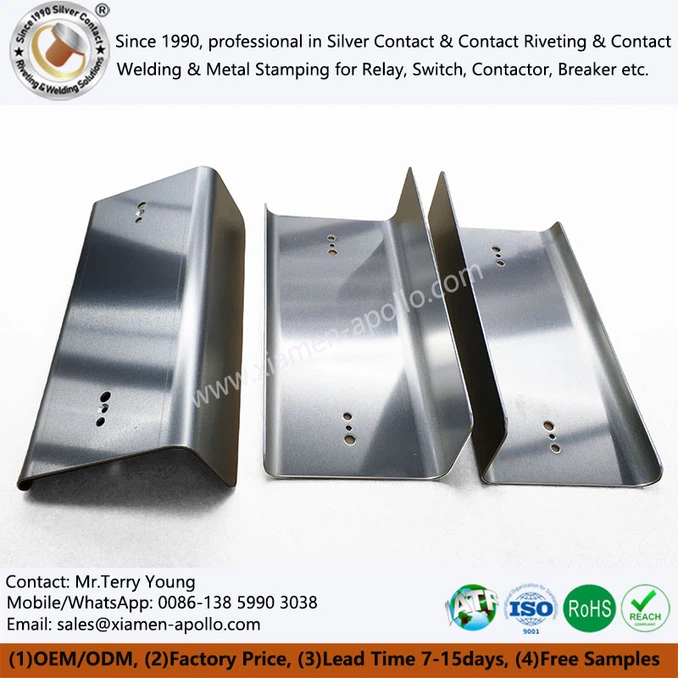
High strength constitutes another core advantage of this class of aluminum alloys; typically, their strength is two to three times that of pure aluminum with equivalent electrical conductivity. This performance is primarily attributed to the fine, dispersed Mg₂Si strengthening phases precipitated during heat treatment. Combined with the dislocation strengthening effects introduced through extrusion or cold rolling deformation, this mechanism allows the material to achieve a substantial increase in strength while simultaneously retaining excellent plasticity and processability. This characteristic enables the material to readily undergo complex processing operations-such as bending, stamping, and welding-making it perfectly suited for the manufacturing requirements of various irregularly shaped structural components. When manufacturing Aluminum Photovoltaic Bracket Accessories, the material can withstand mechanical loads-such as wind and snow loads-without the need for increased cross-sectional thickness, thereby achieving a perfect balance between structural lightweighting and high reliability.
In addition to its core advantages in electrical conductivity and strength, this aluminum alloy possesses excellent comprehensive properties that further expand the scope of its applications. Its surface naturally forms a dense aluminum oxide film, offering outstanding resistance to atmospheric corrosion; furthermore, if subjected to anodizing treatment, its protective capabilities are significantly enhanced, allowing it to perform reliably in harsh operating environments characterized by outdoor exposure, high humidity, or salt spray. Concurrently, the material exhibits good heat resistance, capable of withstanding high temperatures of 150–200°C for short durations-making it suitable for use in power equipment and environments subject to intense outdoor solar radiation. Moreover, it possesses extremely high recyclability, aligning perfectly with the prevailing trends of green and low-carbon industrial development.
In specific photovoltaic application scenarios, the material's weather resistance and strength directly determine the overall lifespan of the system. For instance, Aluminum Clamp Hooks for Roof Photovoltaic Supports are required to endure prolonged outdoor exposure, resisting the corrosive effects of ultraviolet radiation and rainwater; the corrosion-resistant properties inherent to high-purity aluminum alloys precisely meet this critical requirement. Furthermore, during the module fastening stage, Aluminum Solar Panel End Clamps for PV Mounting Systems must not only securely clamp the modules but also maintain structural stability under extreme weather conditions; the high strength and fatigue resistance of this aluminum alloy provide a robust guarantee for this essential function.
The connectors within photovoltaic bracket systems also impose rigorous demands on the materials employed. As a critical component responsible for linking adjacent photovoltaic modules, the Aluminum Solar Middle Clamp must provide sustained clamping force while simultaneously ensuring electrical continuity throughout the system. The use of heat-treated, strengthened aluminum alloys effectively prevents creep deformation caused by prolonged stress, thereby ensuring the stable operation of photovoltaic arrays throughout their service life of over 25 years. Furthermore, various standard aluminum mounting brackets benefit from the material's excellent machinability, allowing them to be fabricated into a wide range of complex geometric shapes to suit diverse installation scenarios.
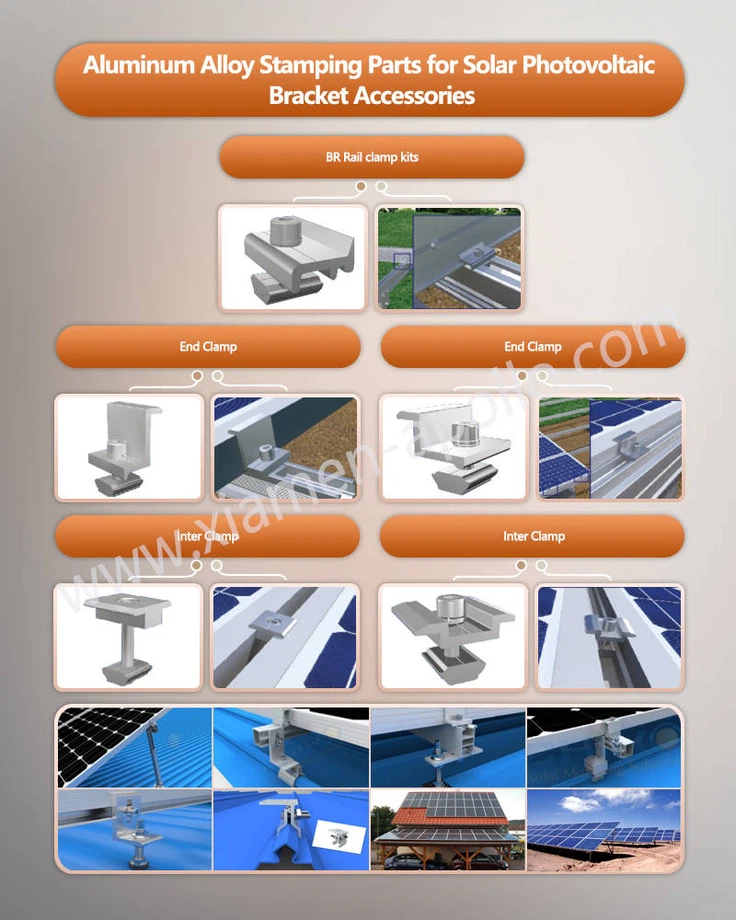
As an aluminum material that harmoniously balances high conductivity, high strength, and comprehensive practical utility, this aluminum alloy precisely meets modern industry's demand for efficient, lightweight materials, thereby resolving the limitations associated with the singular performance characteristics of traditional aluminum. Whether ensuring the efficient and stable transmission of electricity or facilitating the lightweight design of waterproof aluminum alloy solar rails, this alloy has emerged as the industry's preferred choice due to its reliable performance. It empowers various sectors to enhance quality and efficiency, underscoring the immense potential of processed aluminum materials in driving both technological innovation and sustainable development.
If you are currently seeking Aluminum Solar Middle Clamps that comply with specific industry standards, we invite you to contact us at any time. Our engineering team stands ready to provide you with comprehensive professional support-ranging from material selection to structural optimization.
contact us
