

In the fields of electrical engineering, electronic manufacturing, and precision component machining, welding is a fundamental and crucial connection technology. From circuit board assembly to the fixing of high-voltage switch contacts, proper welding methods directly affect the conductivity, mechanical strength, and long-term reliability of products. This article will systematically introduce the definition of welding, core equipment, and safe operating procedures, and will focus on discussing advanced application technologies in the connection of copper components and silver contacts.
What is Welding? Basic Principles and Equipment Composition
Welding is a process that uses heated and melted filler metal (solder) to join two or more workpieces together. In the electronics and electrical industries, welding is mainly used to achieve stable electrical connections and mechanical fixation. Its core equipment includes a soldering iron, soldering station, solder wire, flux, and cleaning tools. The soldering iron transfers heat to the solder joint through its heated metal tip, melting the solder and wetting the surfaces being joined. After cooling, a strong joint is formed.
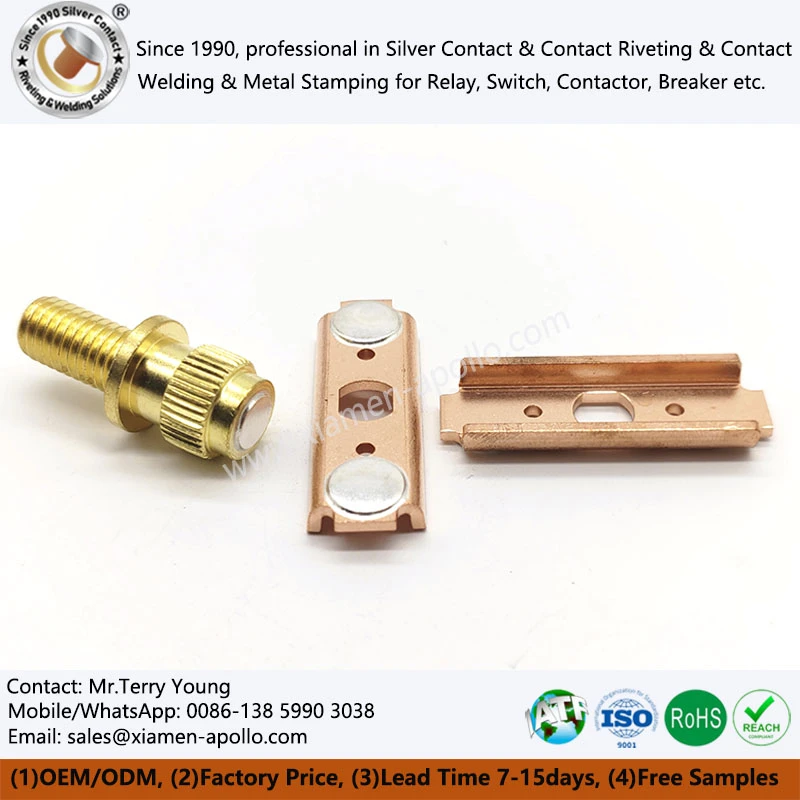
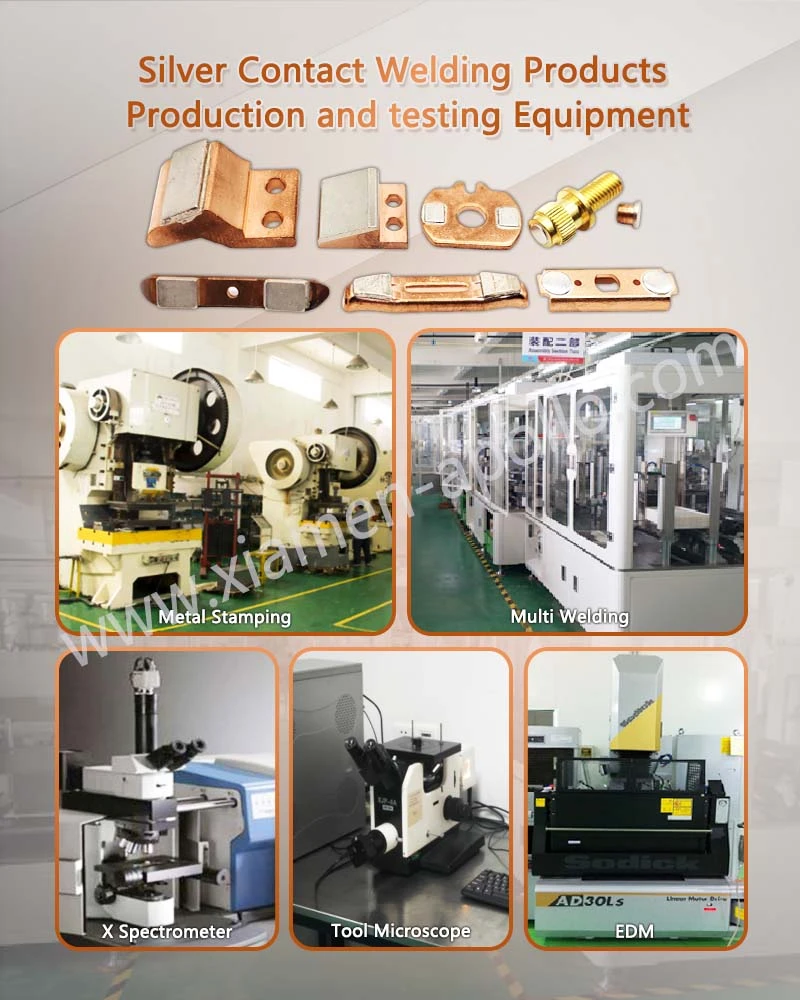
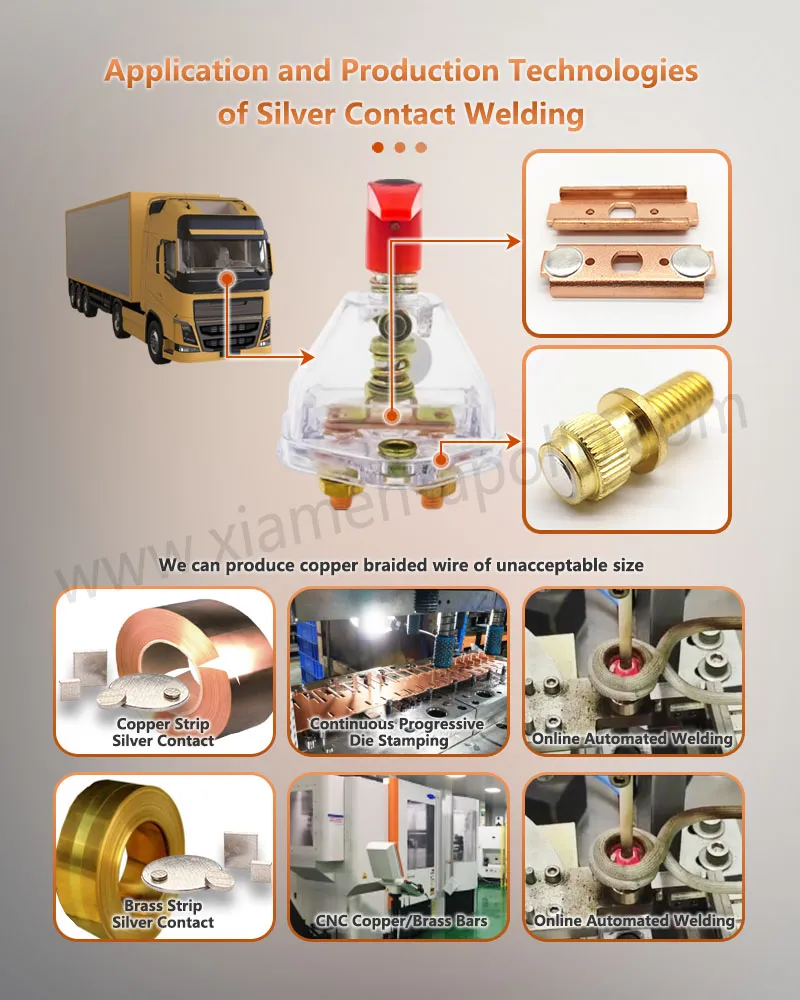
For electrical products such as high-voltage switches and relays, "Brazing Silver to Copper" is a critical technical requirement. Silver has excellent electrical conductivity, while copper has both electrical and thermal conductivity. Combining the two through brazing or resistance welding can create high-performance electrical contact components. The selection of welding equipment depends on the workpiece size, batch size, and quality requirements: manual soldering irons are suitable for small-batch repairs, while precision resistance welding or induction brazing equipment is used for large-scale automated production.
Preparations and Safety Checklist Before Soldering
Safety is paramount in soldering operations. Soldering iron tips typically operate at temperatures as high as 400 degrees Celsius, and improper handling can easily cause severe burns. Furthermore, lead, rosin, and flux in the solder may release harmful fumes at high temperatures. Therefore, the following preparations must be completed before initiating any soldering task:
First, ensure the work area is clean, stable, free of flammable materials, and has good ventilation or fume extraction facilities. Second, wear protective eyewear and heat-resistant gloves to prevent solder splatter or burns from high temperatures. Third, carefully read the equipment manual and solder composition list to confirm that they do not contain prohibited substances. Fourth, check the soldering iron, cables, and plugs for damage and place the soldering iron securely on a dedicated stand. In production scenarios involving Brazing Silver Electrical Contacts, additional high-purity silver solder, flux, and argon gas protection devices are required to prevent silver surface oxidation from affecting soldering quality.
Key Operating Techniques in the Soldering Process
In actual soldering operations, the principle of "clean first, then heat, then feed, and cool quickly" must be followed. First, use alcohol or a special cleaner to remove oil and oxide layers from the surfaces of the copper parts and silver contacts. Then, preheat the soldering iron to a suitable temperature (usually 300-380°C), and simultaneously contact the workpiece and solder with the soldering tip. Remove the heat source after the solder has fully flowed. For larger cross-section connections such as Copper Bar Silver Contact Attachments, due to the rapid heat conduction and dissipation of copper bars, a conventional soldering iron may not provide sufficient heat. In this case, a high-power soldering station or flame brazing should be used.
It is important to note that you should never attempt to operate on live circuits during soldering to prevent short circuits or electric shocks. The soldering tip should be wiped regularly with a damp sponge or cleaning filament to remove residual oxides and carbides. Use tweezers or clamps to hold the workpiece in place to avoid burning your fingers. If the solder joints appear dull, spherical, or pointed, it usually indicates insufficient temperature or inadequate preheating of the workpiece surface, requiring resoldering.
Advanced Welding Applications: Precision Connection of Silver Contacts to Copper Parts
In electrical products such as switches, relays, and contactors, precision welding for copper parts is the core process for achieving a reliable bond between silver contacts and copper conductive parts. Common methods include resistance spot welding, silver brazing, and laser welding. Resistance spot welding uses a high instantaneous current to generate Joule heat at the contact interface, causing localized melting of the material to form a weld nugget, suitable for rapid assembly of small-area contacts. Silver brazing utilizes a silver-based filler metal with a melting point lower than the base metal, filling the joint gap through capillary action, offering advantages such as high connection strength and stable electrical performance.
In mass production, welded alumina contact assemblies are typically completed using automated welding machines. The equipment can precisely control welding pressure, current, and time to ensure consistent weld depth and bond strength for each contact. For irregularly shaped or large workpieces, silver contact to machined part welding requires the design of specialized electrodes and tooling fixtures. For example, when soldering silver contacts to a machined copper screw, it is essential to ensure alignment accuracy and pressure uniformity; otherwise, misalignment or incomplete soldering may occur.
Post-welding processing and quality inspection
After welding, the welded silver contact machined assembly requires necessary post-processing and inspection. First, residual flux is cleaned with alcohol to prevent long-term corrosion. Second, a visual inspection is performed: qualified solder joints should have a bright surface, full contour, and be free of porosity or cracks. For machined part silver contact brazed assemblies, push-pull force tests or contact resistance tests are also required to verify their mechanical strength and conductivity. In high-voltage switch applications, the brazing rate of electrical silver brazing contacts for switch connection must not be less than 85%, otherwise localized overheating may occur during use.
Only brazed silver contact assemblies that have passed quality verification can proceed to subsequent assembly stages. It is important to emphasize that different types of electrical products have significantly different requirements for welding processes. For example, automotive relays have high vibration resistance requirements and are best suited for resistance welding; while high-voltage disconnecting switches rely more on the continuous fusion layer of silver brazing. Therefore, process engineers should develop detailed welding specifications based on specific operating conditions.
contact us
Thank you for reading this article. For more information on silver-copper brazing, contact welding processes, or Brazed Silver Contact Assembly technical solutions, please feel free to contact us. We will provide you with professional process consultation and product support.
