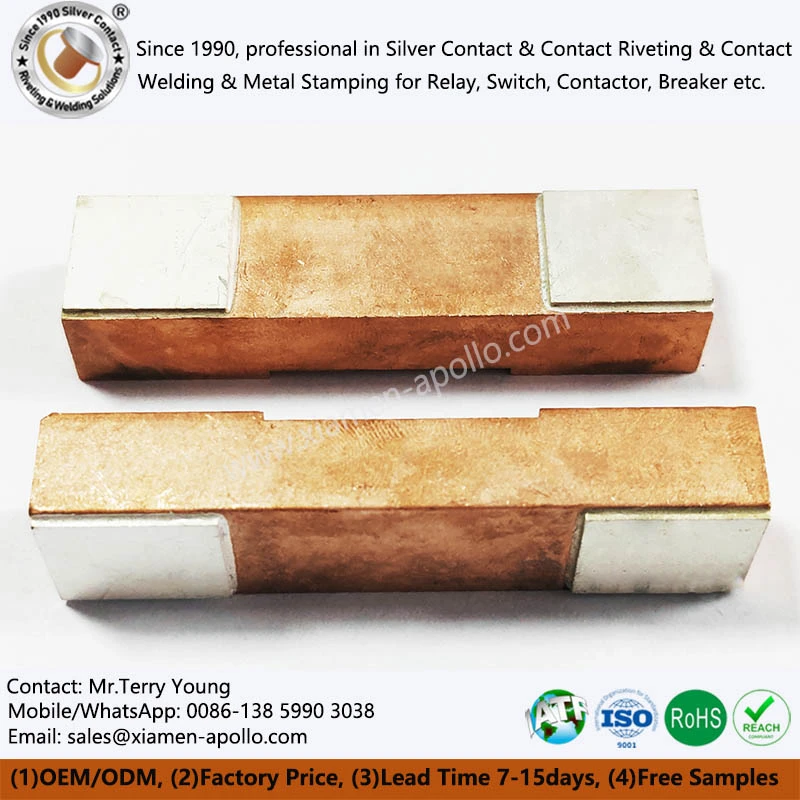
Brazing materials are filler alloys with melting points lower than those of the base metals. Upon heating and melting, they fill the mating gaps via capillary action, undergo metallurgical interaction with the base metals, and solidify to form a stable joint. These filler alloys are widely used in mechanical manufacturing, electronic components, aerospace, home appliances, and power switchgear; they serve as essential consumables for controlling joint resistance, vibration resistance, and long-term operational lifespan. In the production of contactors, circuit breakers, and energy storage switches, the choice of brazing material directly determines the electrical conductivity stability and arc resistance of the Brazing Electrical Contacts.
Brazing materials consist of base components, melting-point depressants, and performance-modifying elements. Base components ensure metallurgical compatibility with the parent materials; melting-point depressants keep the melting temperature below the solidus temperature of the base metals; and modifying elements adjust the spreading and flow characteristics of the molten alloy, as well as the mechanical performance of the joint. In the industry, brazing materials are categorized by their melting temperatures into "soft" solders and "hard" brazing alloys. Soft solders melt below 450°C-typically tin-based or bismuth-based alloys-and are primarily used for PCB assembly and small, precision electronic components, though they offer relatively lower joint strength. Hard brazing alloys melt above 450°C and include silver-based, copper-based, and nickel-based alloys; these provide superior load-bearing capacity and heat resistance, making them suitable for power-carrying components, cutting tools, and structural piping. With increasingly stringent environmental regulations, lead-free solders are gradually replacing traditional tin-lead systems, with tin-silver-copper and tin-bismuth alloys now serving as the mainstream solutions for electronic assembly.
When evaluating brazing materials for engineering applications, priority should be given to wettability, fluidity, joint strength, corrosion resistance, and electrical conductivity. Wettability refers to the ability of a molten alloy to spread across the surface of a base metal. The extent of this spreading determines the effective bonding area and is influenced by the cleanliness of the base metal surface, the alloy composition, and the heating parameters. Fluidity determines the effectiveness of gap filling; insufficient fluidity can lead to voids, while excessive fluidity may result in the loss of filler alloy. Joint strength is verified through shear and tensile testing to ensure it meets the load requirements of the components. Corrosion resistance is essential for parts exposed to humid or salt-spray environments, preventing preferential corrosion at the joint interface. Electrical conductivity is particularly critical for power contact components, as fluctuations in interface resistance can cause abnormal temperature rises and additional power loss.
The material selection process involves evaluating the base metal, operational loads, allowable heating temperatures, material costs, and regulatory compliance. Stainless steel base metals are typically paired with silver-based or nickel-based filler alloys, while aluminum alloys are best matched with aluminum-based fillers. For components subjected to cyclic loading or high-temperature conditions, heat-resistant and fatigue-resistant brazing alloys should be selected. Throughout the brazing process, the temperature must not exceed the solidus temperature of the base metal to prevent degradation of its grain structure. Silver-based fillers are suitable for components requiring high electrical conductivity and arc resistance-such as those used in Silver Contact Hard Brazing Assembly-though they come at a higher cost; for applications with less stringent load or conductivity requirements, copper-based or zinc-based alloys may be used instead. Since the use of lead-containing or cadmium-containing brazing alloys is restricted by regulations, low-toxicity alloy systems should be prioritized for new projects.
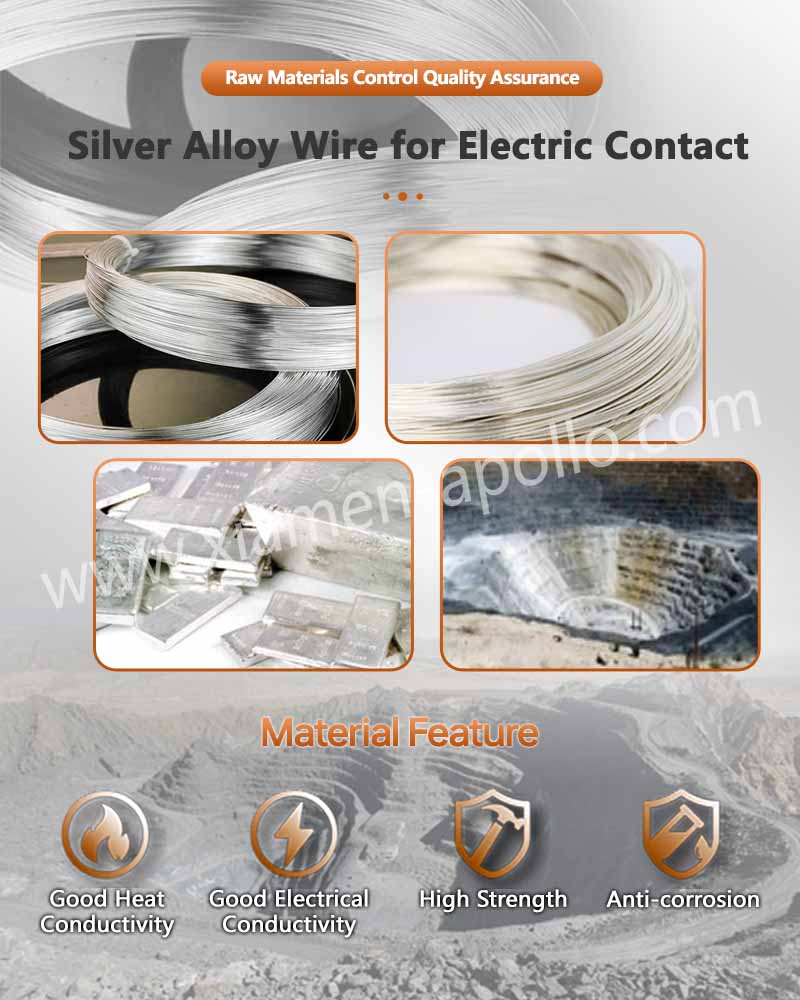
Different brazing processes require specific forms of filler material. Flame brazing typically utilizes rod-shaped fillers, whereas induction brazing is well-suited for sheet or paste-form fillers. Paste-form fillers-composed of alloy powder, a carrier medium, and flux-are ideal for high-volume, automated production lines. Flux is used in conjunction with the filler to remove oxide layers from the surfaces of the base metal and the filler alloy, while also protecting the molten pool from oxidation. Heating and cooling rates must be aligned with the thermal properties of the base metal; heating too rapidly can cause spatter and deformation, while slower cooling helps reduce residual stress in the joint, albeit at the cost of a longer production cycle.
Storage conditions must be kept dry and clean, as powdered or paste-form brazing materials can clump and lose their effectiveness if exposed to moisture. Before use in Electrical Contact Brazed Stamping Components, wire-form fillers should be cleaned to remove any oil or contaminants, and paste-form fillers must be thoroughly stirred to ensure a uniform consistency. Scrapped brazing materials must be recovered in accordance with hazardous waste regulations; components containing heavy metals cannot be discarded indiscriminately.
Brazing materials are applied across a diverse range of industrial sectors. The electronics industry primarily utilizes tin-based soft solders for component packaging and circuit interconnections. In mechanical machining, copper-based and nickel-based hard brazing alloys (brazing filler metals) are employed for the assembly of cutting tools and structural components. The aerospace sector relies on high-temperature-resistant cobalt-based or nickel-based brazing alloys. In the home appliance industry, brazing is used for heat exchangers and compressor housings. For automotive radiators and electronic control components, specific performance criteria are mandated regarding the resistance of joints to thermal fatigue and vibration.
Current industry R&D focuses on low-toxicity formulations, composite-reinforced brazing alloys, nano-modified filler alloys, and preformed brazing foils or shims. Preformed brazing elements and stable brazing pastes are well-suited for automated production lines, helping to minimize inconsistencies that might otherwise arise from manual intervention. Ongoing optimization of material composition and process refinement continue to drive down the unit cost of high-quality brazing materials.
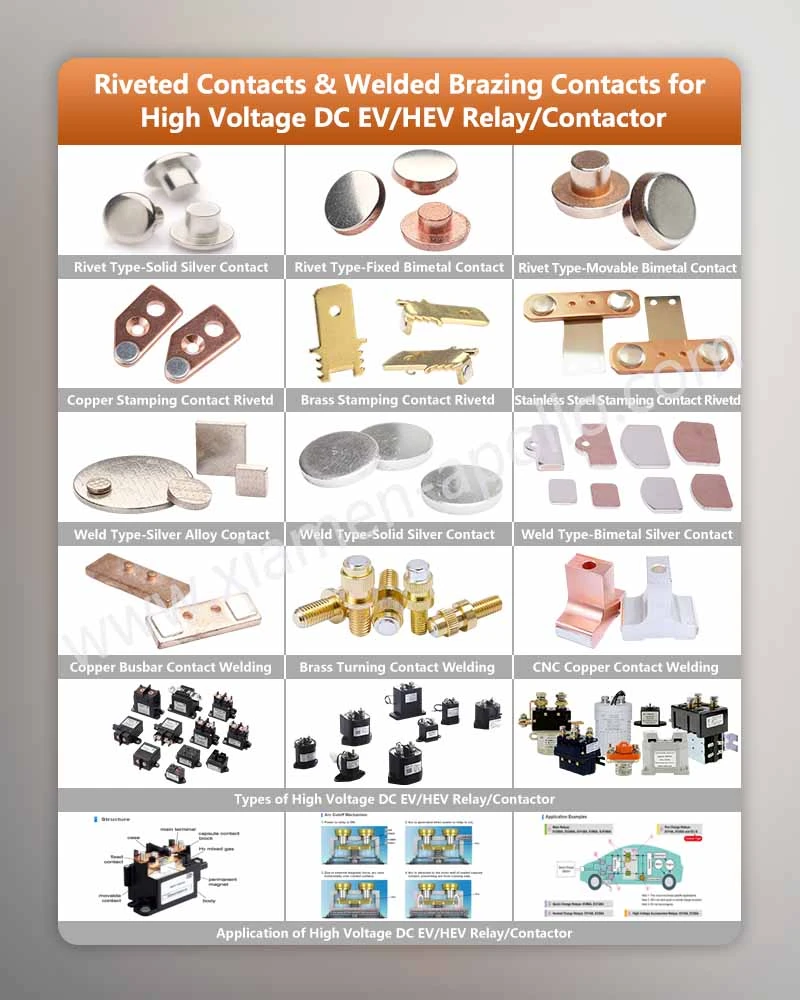
Before engineering teams proceed with prototyping and mass production of components such as switches or contactors, they must definitively establish the specific brazing alloy grade, flux system, heating profile, and inspection standards. Only by ensuring the alignment of material selection, process parameters, and inspection protocols can the contact interface resistance be effectively controlled. This approach mitigates the risk of failure caused by arc erosion or vibration-induced fatigue, ensuring that Silver Contact Brazed Assemblies maintain stable performance throughout long-term switching cycles.
contact us