In modern industrial production, precision, high-efficiency, and reliable Stainless Steel Stamped Parts play a crucial role. From petrochemical equipment and high-end medical devices to food processing machinery and various precision manufacturing sectors, the demand for high-performance stainless steel materials and their associated processing techniques is steadily rising. However, for many clients seeking stainless steel stamping services, accurately selecting the right material, understanding key processing stages, and finding a trustworthy supplier remain topics requiring in-depth exploration. This article delves into the relevant technical expertise and offers recommendations on material selection and supplier partnerships.

The Essentials of OEM stainless steel stamping parts: Material Selection and Application Scenarios
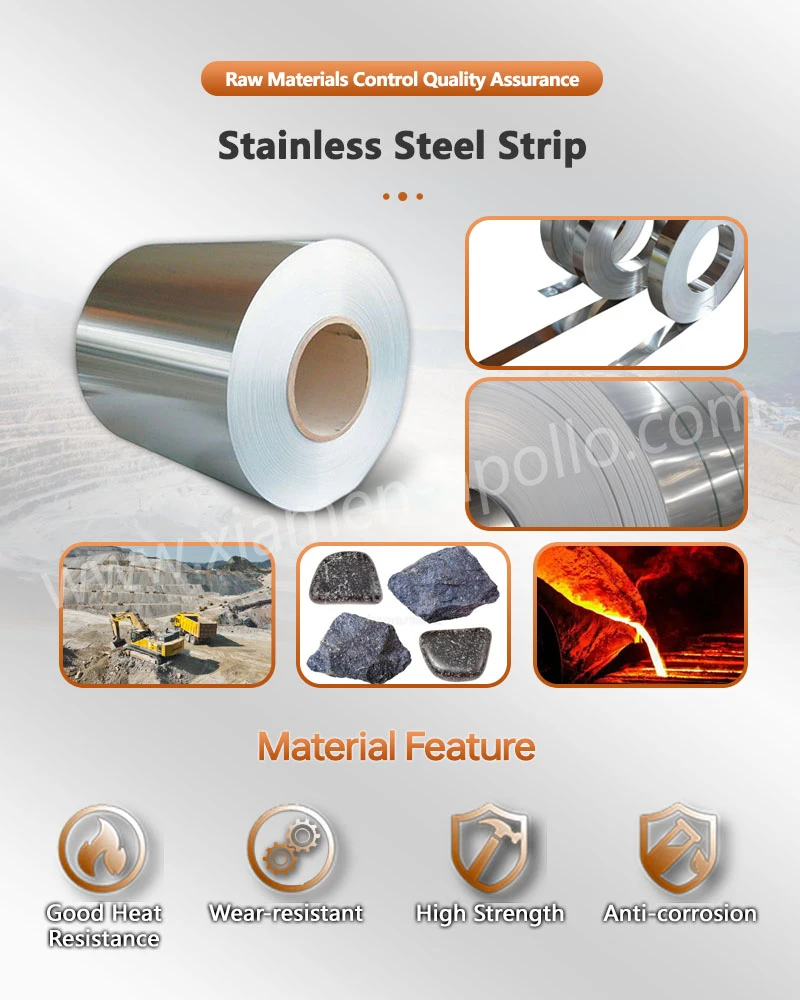
Stainless Steel Zinc Plating Drawing Stamping Parts are highly favored largely due to their excellent overall performance. They offer strong corrosion resistance, maintaining structural integrity and stability in various harsh environments; high mechanical strength, capable of withstanding significant loads and pressure; and good workability, allowing them to be formed into complex geometries through processes like stamping.
When selecting stainless steel materials for stamped parts, one must comprehensively consider the product's specific application scenarios and performance requirements. For instance, in the food machinery sector, 304 stainless steel is commonly chosen because its corrosion resistance and hygienic properties meet industry standards. Conversely, for petrochemical equipment requiring higher strength and high-temperature resistance, austenitic stainless steels (such as 316L) or duplex stainless steels may be more suitable. Furthermore, properties such as work-hardening characteristics, yield strength, and elongation vary by stainless steel grade and directly influence formability during stamping as well as the quality of the final part. For example, 304 and 304L differ in welding performance; for stamped parts requiring welding, choosing "L-series" low-carbon grades can effectively reduce the risk of intergranular corrosion in the heat-affected zone.
Industry Standards and Quality Assurance: Ensuring the Reliability of Stainless Steel Sheet Metal Stamping Sheet
The quality of Stainless Steel Stamping parts directly impacts the performance and service life of the end product; therefore, strict adherence to industry standards and quality control systems is essential. National standards-such as GB/T 24511 "Stainless Steel Pipes"-provide clear specifications regarding the chemical composition, mechanical properties, and dimensional tolerances of stainless steel materials. When manufacturing stainless steel stamped parts, producers must adhere to standards like the ISO 9001 quality management system and establish robust quality inspection procedures.
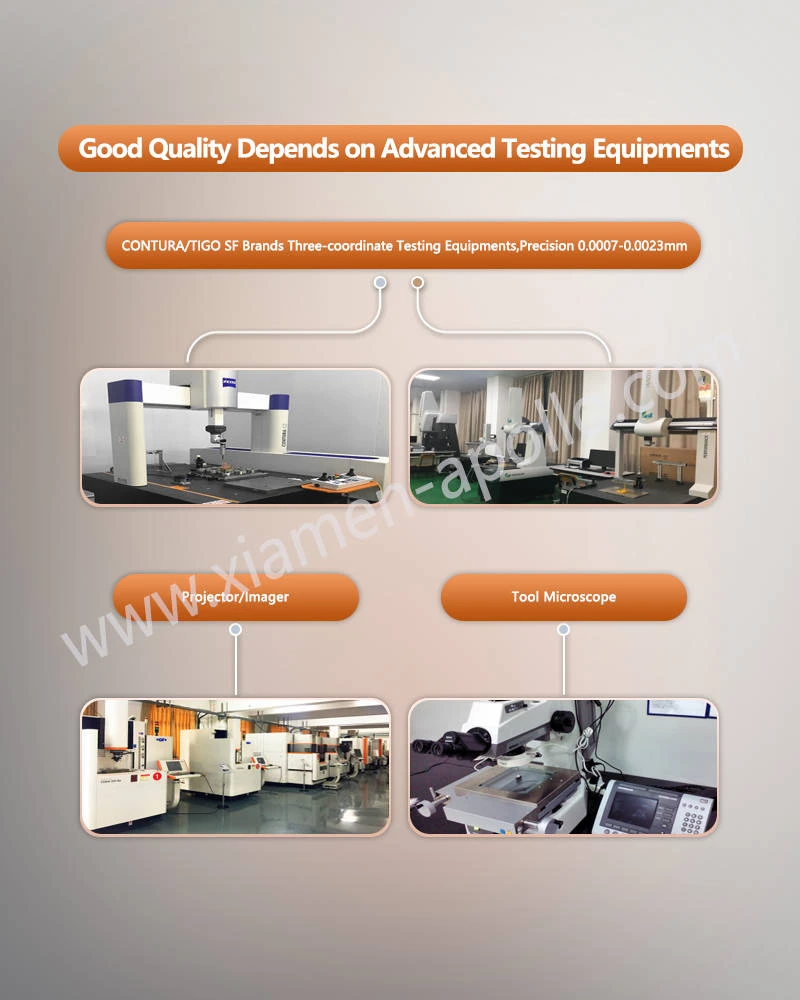
This entails rigorous inspection of incoming raw materials to ensure compliance with both national standards and specific customer requirements. During production, real-time monitoring is conducted on stamping die precision, equipment operating status, and forming parameters. Finished products undergo comprehensive testing covering dimensional accuracy, surface finish, mechanical properties, and corrosion resistance. A professional manufacturer's core competitiveness lies in its ability to consistently ensure that every batch of products meets the expected technical specifications.
How to Choose the Right Stainless Steel Stamping Manufacturer
With a multitude of stainless steel stamping manufacturers on the market, customers should evaluate potential partners across several dimensions to ensure a smooth collaboration and satisfactory results.
First, one should assess the supplier's expertise in the stainless steel sector and their resource integration capabilities. A high-quality manufacturer should be able to integrate resources from leading domestic and international steel mills, offering a comprehensive range of stainless steel materials-including plates, coils, pipes, and profiles in various specifications and grades. This not only guarantees raw material quality and supply stability but also provides customers with a wider array of material options.
Second, the manufacturer's processing capabilities and technical expertise are crucial. Robust processing and distribution capabilities enable the provision of precise shearing, slitting, and surface finishing services to meet diverse customization needs. For instance, stainless steel plates can be cut precisely to customer-specified dimensions and tolerances, while stainless steel pipes-including seamless, welded, and embossed varieties-can be supplied and subjected to further processing. Such refined processing capabilities significantly enhance both production efficiency and product quality.
Furthermore, a comprehensive service system is essential. An ideal partner should offer end-to-end support, ranging from material consultation and process optimization to actual manufacturing and after-sales service. For instance, a capable supplier can offer professional technical advice tailored to specific application scenarios, recommending the most suitable stainless steel grades and processing methods. They offer customized production capabilities and efficient logistics to ensure timely product delivery. Furthermore, a robust after-sales service system ensures a prompt response to and resolution of any issues customers may encounter during use.
In the realm of stainless steel stamping, the processing of sheet metal-such as 304 or 316L cold/hot-rolled sheets and patterned plates-is a key area of customer focus, as processing precision directly impacts the performance of the final stamped part. Professional suppliers provide high-quality processing services tailored to specific material grades and surface finish requirements. For tubular components-whether seamless, welded, or embossed stainless steel pipes-inherent quality and dimensional accuracy are fundamental to successful subsequent stamping and forming.
Future Trends and Technological Innovations
As industrial technology evolves, so too do the processing techniques for Stainless Steel Sheet Metal Stampings. The adoption of advanced technologies, such as laser cutting and precision CNC machining, has further enhanced processing accuracy and efficiency. Meanwhile, a growing emphasis on environmental protection and sustainability is driving the industry toward more energy-efficient and eco-friendly production models. For customers, partnering with companies that stay at the forefront of technology and continuously optimize their production processes offers a distinct advantage in seizing market opportunities.
Conclusion
Precision processing of Stainless Steel Stamped Parts serves as a vital link between high-quality raw materials and high-performance industrial products. Selecting a manufacturer with extensive experience, technical expertise, and comprehensive service capabilities is strategically important for ensuring product quality, reducing production costs, and enhancing market competitiveness. From material selection and process planning to standards compliance and supplier evaluation, every step warrants careful consideration.
contact us