Stainless Steel Stamping relies on cold forming to produce dimensionally controlled metal components, while material work hardening and springback create recurring defects that require fixed process compensation and validated inspection routines. Alloy grade selection, die clearance, lubrication and forming sequence define the repeatability of stamping parts across low-voltage electrical, automotive and structural assemblies.
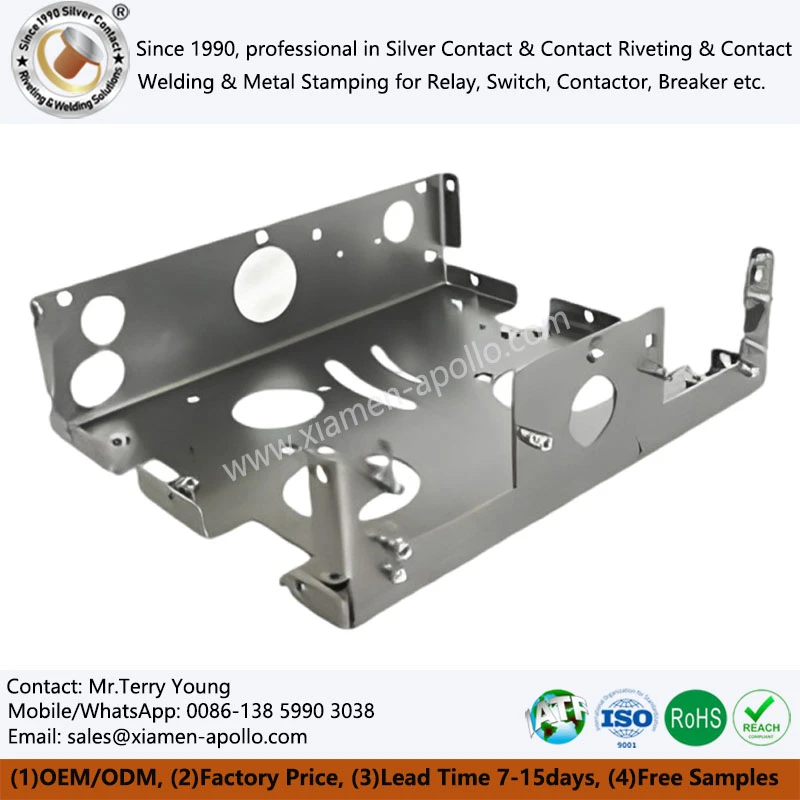
Stainless steel differs from carbon steel during forming due to higher tensile strength and distinct strain-hardening response. Common grades include 304, 316 and 430, each with unique ductility, corrosion resistance and forming limits. 304 balances general corrosion resistance and formability for indoor assemblies. 316 delivers chloride resistance for outdoor and chemical exposure. 430 offers lower alloy cost with reduced ductility for simple, low-strain profiles. All austenitic grades gain local hardness under plastic deformation, which increases crack risk during secondary bending or deep drawing. Springback shifts bend angles and flatness, so tool compensation must reference measured trial samples instead of static allowances.
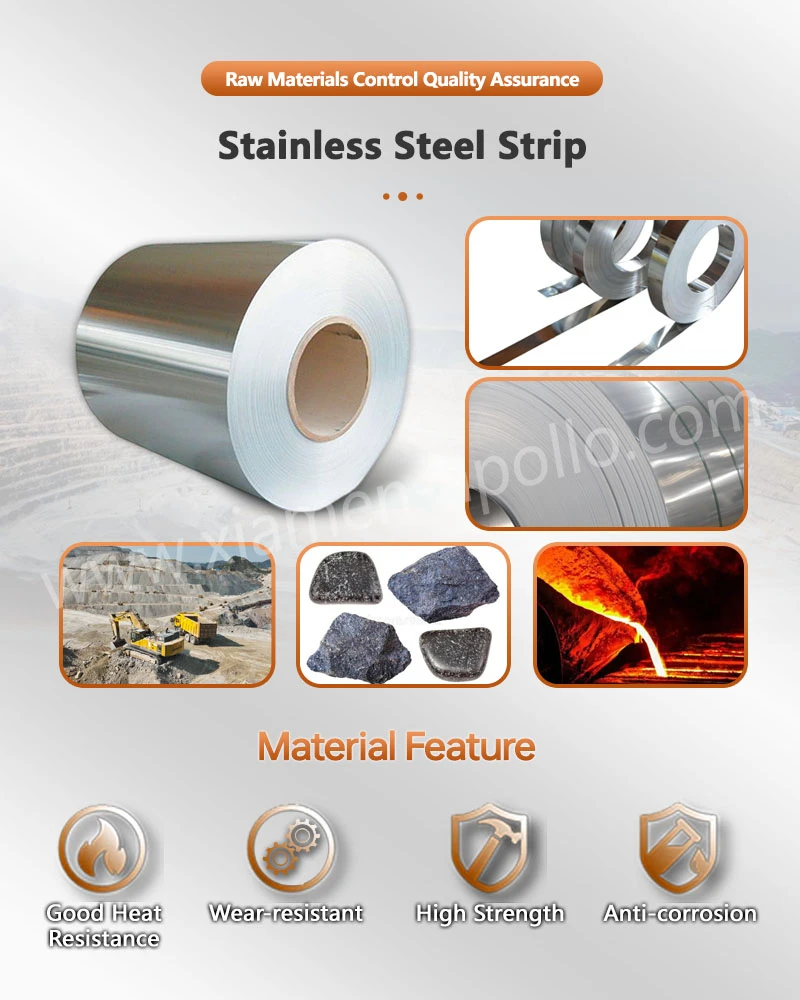
A complete Stamping 304 Stainless Steel workflow consists of blanking, piercing, bending, deep drawing, flanging and sizing. Blanking separates raw sheet or coil into pre-defined blanks. Piercing creates internal cutouts and holes. Bending and deep drawing reshape flat stock into three-dimensional geometries. Complex profiles require progressive dies with sequential stations to limit localized thinning and wrinkling. Tooling is fabricated via CNC machining and wire EDM. Regular die maintenance controls edge wear, which directly reduces burr growth across production runs.
Surface and dimensional defects remain the primary failure modes in Stainless Stamping. Hard contact between sheet and die generates galling, scratches and indentations. Uncontrolled springback creates deviation from drawing tolerances. The inspection framework covers incoming material verification, first article check, periodic in-line sampling and final batch release. Material certificates and surface condition are logged before coil feeding. Measuring hardware includes calipers, micrometers, angle gauges, surface roughness testers and coordinate measuring machines. Inspection records tie non-conformance back to material lot, tool station or press parameter drift.
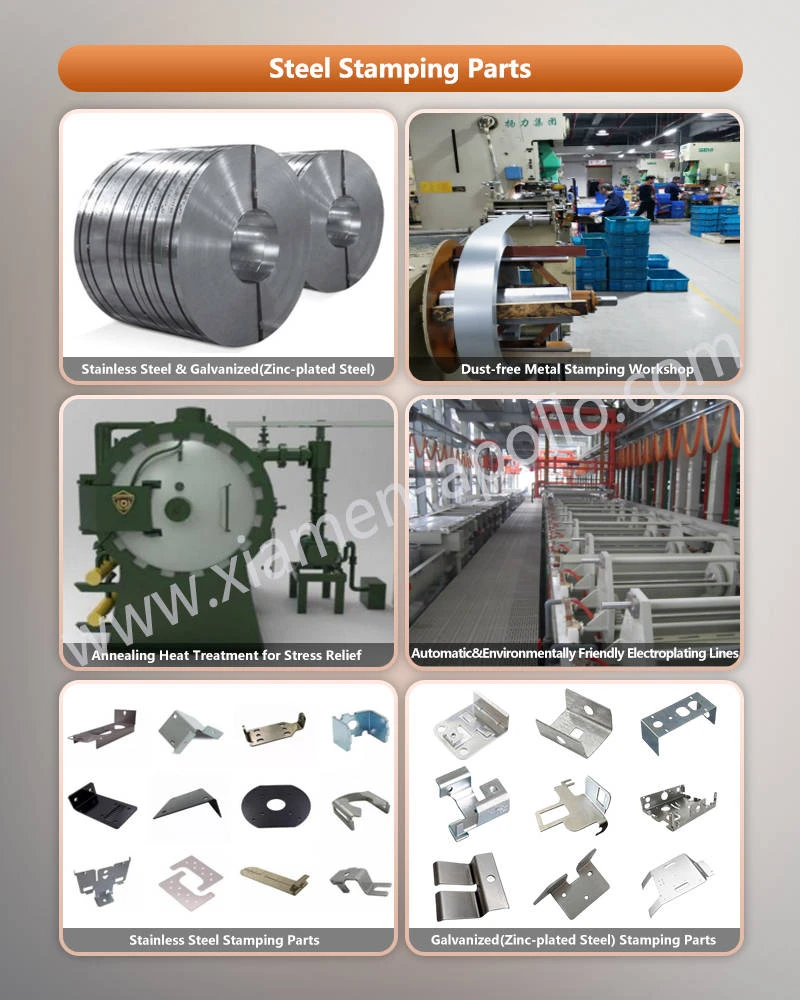
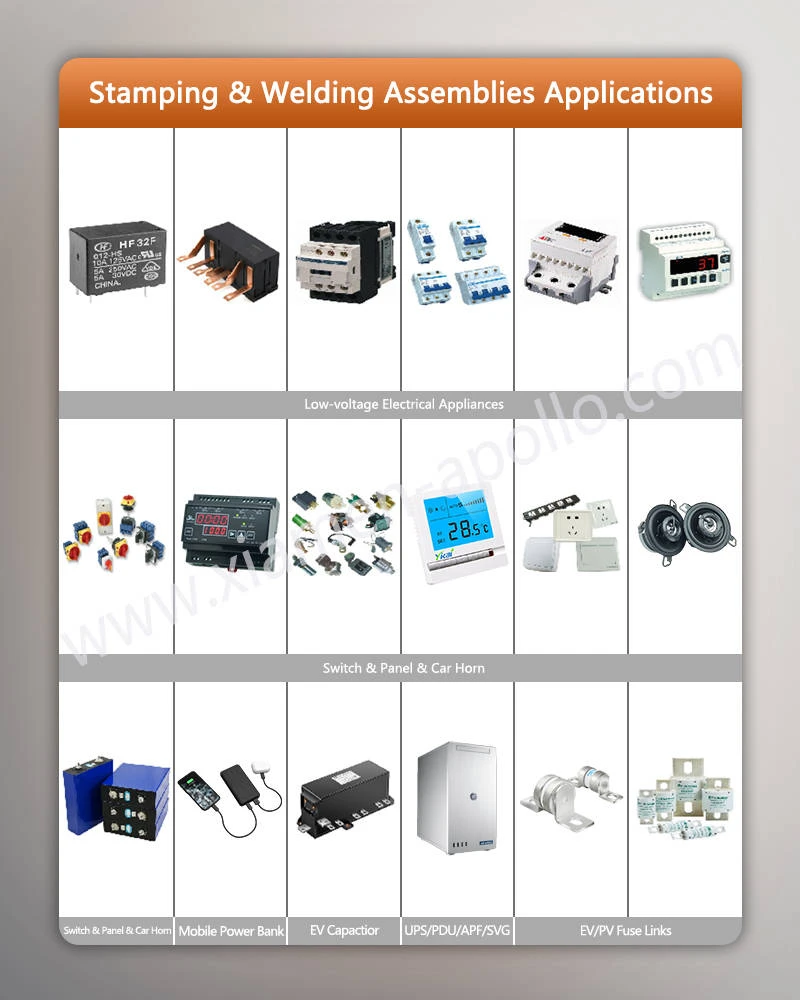
Stainless Steel Sheet Metal Stampings serve multiple hardware segments. Within automotive systems, these parts support exhaust hardware, chassis brackets and restraint assemblies. Electrical applications include shielding cans, contact carriers and connector shells. Building hardware covers hinge bodies, curtain wall fasteners and decorative clips. Each sector imposes separate limits on corrosion performance, yield strength and surface finish. Post-forming treatments such as passivation, brushing, polishing and plating are matched to end-use requirements to extend service life.
Stainless Metal Stamping also supports custom development for new product releases. Engineering packages can originate from finished samples, 2D drawings or functional specifications. Soft tooling is frequently used for prototype validation before hard tool construction. This approach cuts development cycle time and reduces scrap during early design revisions. Process teams provide feedback on wall thickness, bend radii, blank layout and material yield to lower unit cost without changing functional requirements.
Submit your component drawings, tolerance tables and environmental service conditions to receive a formal Stainless Steel Stamping feasibility assessment. Process engineers will review forming risk, required inspection controls and tooling sequence before quoting batch production.
contact us