

Electron beam welding is a high-energy-density, precision fusion welding process widely utilized across industries such as electronics, power generation, aerospace, and precision instrumentation. This process involves bombarding a metal surface with a high-velocity electron beam, rapidly converting the electrons' kinetic energy into thermal energy to achieve localized melting of the material and complete the weld. Due to the concentrated heat input during the welding process-resulting in clean weld seams and minimal deformation-this technique holds significant value in the manufacturing of high-precision current sensing components. Specifically for Manganin Shunts used in single-phase latching relays, electron beam welding effectively enhances both the stability of the weld joints and their electrical conductivity.
Electron beam welding is typically conducted within a vacuum environment; the primary reason for this is that gas molecules present in the air would otherwise scatter the electron beam, thereby compromising welding precision and energy concentration. Under vacuum conditions, the high-velocity electron beam can be stably focused onto the specific welding zone, enabling deep-penetration welding effects. This process is particularly well-suited for high-precision conductive components-such as electrical meter shunts-as it effectively improves weld seam consistency and electrical resistance stability.
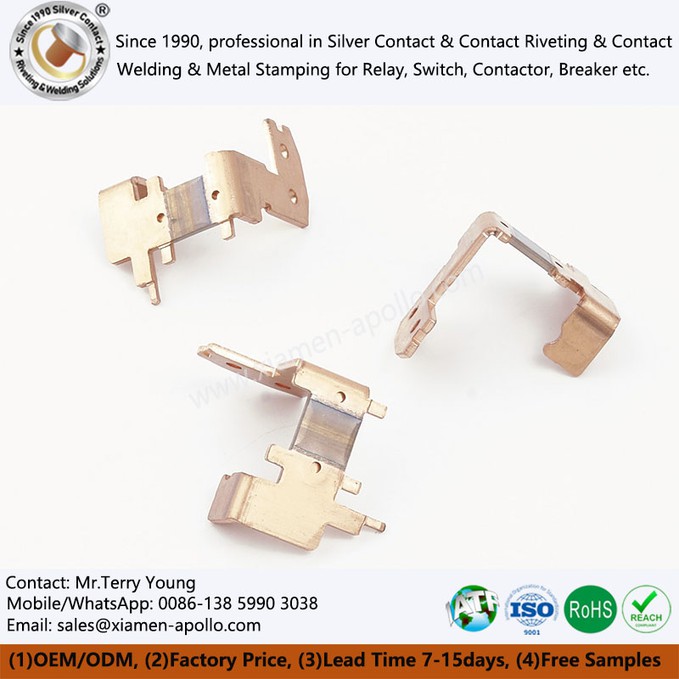
An electron beam welding system primarily consists of an electron gun, a vacuum chamber, a focusing system, and a CNC control system. Inside the electron gun, a cathode emits electrons which, under the influence of a high-voltage electric field, are rapidly accelerated to extremely high velocities; they are then focused by a magnetic field to form a high-density electron beam. When this electron beam strikes a metal workpiece, it generates instantaneous, intense heat, causing the welding zone to melt and fuse rapidly. For precision resistor assemblies-such as Relay Resistor Shunts-this high-precision welding method effectively minimizes the heat-affected zone, thereby preventing alterations to the material's properties.
In the manufacturing of shunt products, manganese-copper alloy is widely utilized in current sensing applications due to its low temperature coefficient of resistance, high stability, and excellent electrical characteristics. Manganin Copper Shunts, in particular, demand exceptionally high welding precision, as the quality of the weld seam directly impacts the product's resistance value and long-term stability. Leveraging its inherent high precision, electron beam welding allows for precise control over the dimensions of the weld zone, thereby ensuring consistent product performance.
Another significant feature of electron beam welding is its high depth-to-width ratio. Compared to conventional welding methods, electron beam welding achieves a greater depth of penetration within a relatively small weld area, making it particularly well-suited for precision metal joining. In high-precision current sensing components-such as Copper Manganin Shunts-maintaining extremely low contact resistance is critical; electron beam welding helps mitigate the effects of oxidation and impurities, thereby enhancing overall electrical conductivity.
In actual production environments, the electron beam welding process is typically executed via automated control systems. Given that the welding operation involves high voltages and a high-vacuum environment, the entire procedure requires precise computer-aided control. Workpieces are typically secured within specialized fixtures and positioned within the welding zone via a CNC-controlled worktable. For high-current shunt products-such as Shunt Terminals for 100A Magnetic Latching Relays-automated welding ensures consistent weld-point positioning and facilitates stable, high-volume production.
Prior to initiating the electron beam welding process, workpieces must undergo rigorous cleaning to prevent oil residues, oxide layers, or impurities from compromising weld quality. Subsequently, specialized fixtures are designed based on the product's structural configuration to ensure the workpiece remains stably positioned throughout the welding operation. In the high-precision electricity metering industry, many energy meter shunts utilize precision fixtures in conjunction with electron beam welding to enhance both welding accuracy and production efficiency.
During the welding process, the electron beam requires precise focusing and parameter adjustment-including beam current, voltage, welding speed, and focal position. Operators typically perform preliminary weld tests to verify the weld penetration depth and the quality of the weld bead formation. For high-precision manganese-copper shunts, maintaining stable welding parameters effectively mitigates issues such as incomplete fusion, cracking, and weld bead irregularities.
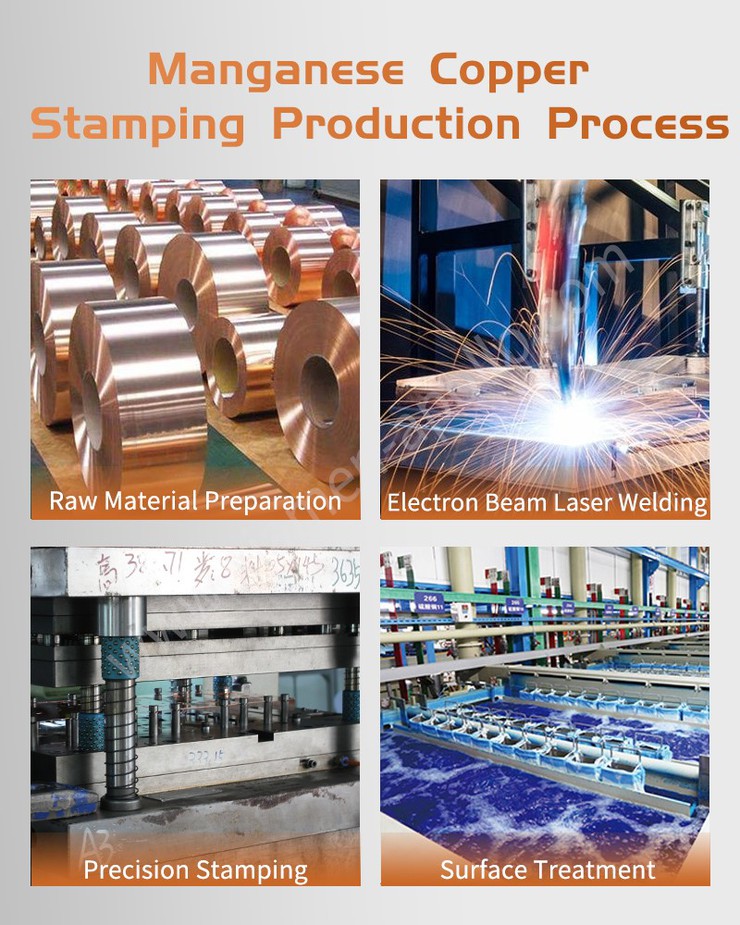
In the future, as the demand for precision welding in high-end electrical equipment continues to rise, electron beam welding will play an increasingly vital role in the manufacturing of current sensing components. EBW Manganese Copper Shunt products-manufactured using advanced electron beam welding processes-will further drive the advancement of smart meters, new energy equipment, and industrial control systems.
If you would like to learn more about magnetic shunts for latching relays, electron beam welding processes, or high-precision current sensing components, please feel free to contact us for product details and technical support solutions.
Contact Us
