Introduction: The Importance of Stainless Steel in CNC Machining
In modern manufacturing, stainless steel is one of the most common and critical metal materials. Especially in the machining of CNC stainless steel parts, stainless steel turning parts, and stainless steel milling parts, stainless steel has become the preferred choice for engineering design due to its excellent corrosion resistance and mechanical properties.
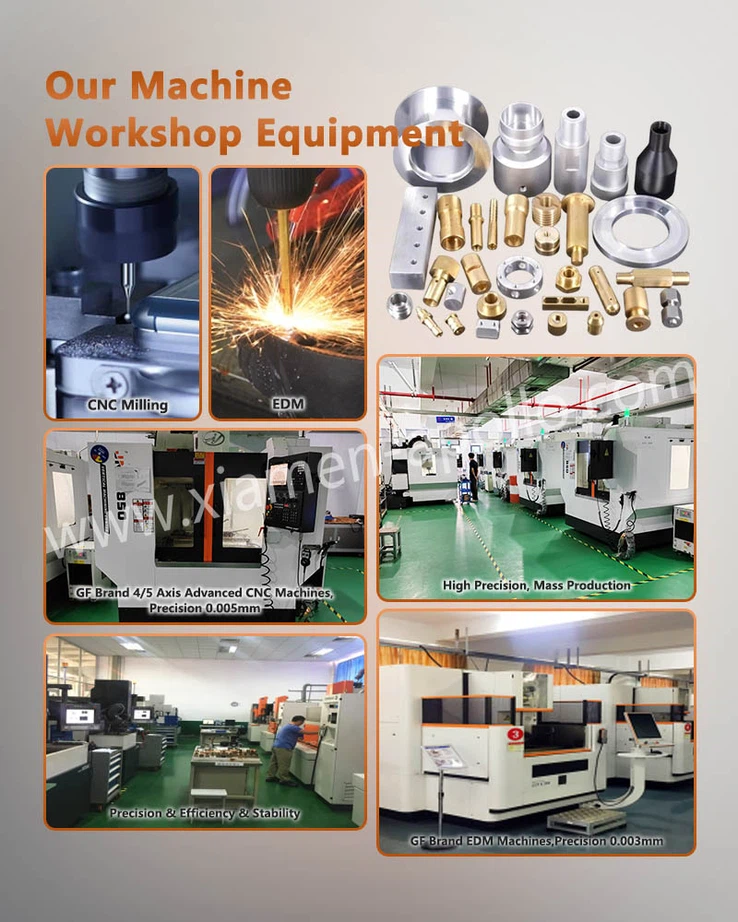
CNC steel parts are widely used in aerospace, energy, medical, food machinery, electronic and electrical equipment, and new energy equipment. For manufacturers, understanding the properties of different types of stainless steel is key to optimizing steel CNC machining processes, improving product performance, and controlling costs.
Definition and Classification of Stainless Steel
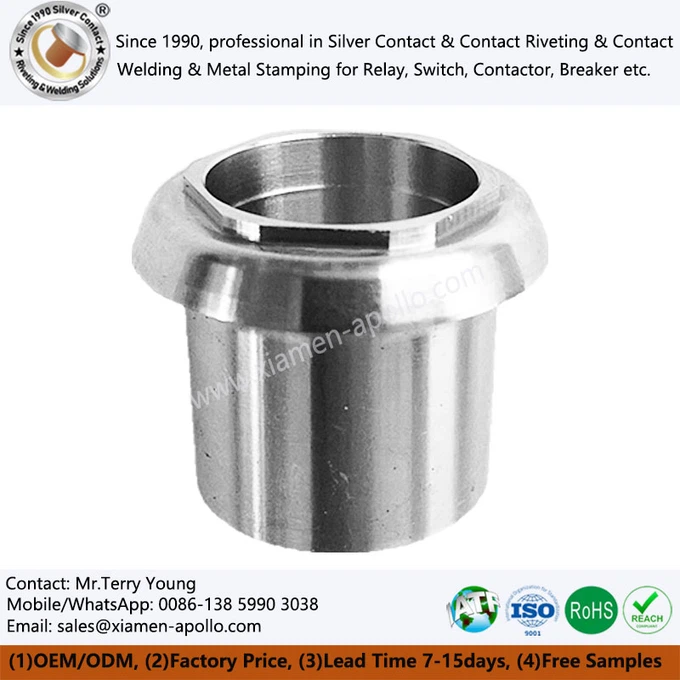
Stainless steel is a type of steel that combines high strength with corrosion resistance. It maintains stability in mildly corrosive media such as air and water vapor, as well as in chemical media such as acids, alkalis, and salts. It is commonly used in the manufacturing of CNC stainless steel parts and stainless steel machining parts.
Based on its metallographic structure, stainless steel is divided into five main categories:
Austenitic Stainless Steel
Features a face-centered cubic structure, is non-magnetic, and exhibits excellent ductility and toughness.
Common grades include 304, 316, 317, 321, 347, and 904L.
This is the most commonly used material for CNC machining stainless steel parts.
Ferritic Stainless Steel
Features a body-centered cubic structure, is magnetic, and cannot be hardened by heat treatment.
Commonly used for structural parts or components with lower strength requirements.
Martensitic Stainless Steel
Hardness and strength can be adjusted through heat treatment.
Commonly used in CNC machining parts such as cutting tools, valve cores, and mechanical shafts.
Duplex Stainless Steel
Has both austenitic and ferritic microstructures, offering excellent resistance to chloride stress corrosion.
The typical grade is 329.
Precipitation Hardening Stainless Steel
High strength and good toughness can be achieved through aging treatment, making it commonly used in high-strength structural parts.
Performance Analysis of Major Stainless Steel Types
1. 304 Stainless Steel
One of the most common austenitic stainless steels, it offers excellent corrosion resistance and machinability, making it suitable for milling 304 stainless steel and CNC milling of stainless steel.
It is commonly used in the manufacture of instrument housings, food equipment, acid pipelines, and decorative components.
2. 316 Stainless Steel
The addition of molybdenum to 304 significantly improves its resistance to pitting and chloride corrosion, making it a common material for use in marine environments or chemical equipment.
Milling 316 stainless steel produces even more corrosion-resistant components, such as pump valve bodies and heat exchanger tube sheets.
3. 317 Stainless Steel
Based on 316L, it features increased molybdenum and chromium content, offering even greater corrosion resistance. It is suitable for CNC milling stainless steel parts exposed to organic acids or high temperatures.
4. 321 Stainless Steel
Stabilized by the addition of titanium, it offers excellent resistance to intergranular corrosion and is suitable for stainless steel CNC machining of parts for high-temperature pipelines and heat exchange equipment.
5. 347 Stainless Steel
By adding niobium to enhance its resistance to intergranular corrosion, it maintains good mechanical strength even at high temperatures, making it a common material for thermal equipment and the petrochemical industry.
6. 904L Stainless Steel
A super-austenitic stainless steel with high nickel and molybdenum content, it exhibits excellent corrosion resistance in strong acid environments.
It is commonly used in stainless steel rolling mills, chemical equipment, and CNC machining of marine components.

Factors Affecting Stainless Steel Corrosion Resistance
Alloying Element Content
A chromium content exceeding 10.5% forms a passive film on the steel surface, improving corrosion resistance. Elements such as nickel, molybdenum, and titanium further enhance oxidation resistance.
Smelting Process and Purity Control
The refining process effectively removes impurities, ensuring the dense structure and stable performance of stainless steel CNC machining parts.
Environmental Conditions
Rust is less likely to form in ventilated, dry environments. However, in environments with high humidity, acidic or alkaline gases, or marine environments, higher-grade stainless steel materials such as 316 or 904L are required.
Rust Treatment Methods for Stainless Steel Surfaces
1. Chemical Method
Repassivate the surface using an acid pickling paste or spray to form a protective chromium oxide film. After treatment, rinse with clean water and polish and seal.
2. Mechanical Method
Remove surface contamination using methods such as sandblasting, brushing, and ceramic shot blasting. For stainless steel CNC parts, wax seal the surface after mechanical polishing to enhance the corrosion resistance.
Examples of Common Stainless Steel Applications in CNC Machining
| Material Type | Processing Technology | Typical Applications | Characteristics |
| 304 / 304L | Milling Stainless Steel / CNC Stainless Steel Parts | Kitchen Appliance Housings, Decorative Parts | Low Cost, Excellent Corrosion Resistance |
| 316 / 316L | CNC Machining Stainless Steel Parts | Chemical Equipment, Valve Bodies | Strong Acid and Alkali Resistance |
| 317 | CNC Machining Stainless Steel Parts | Organic Acid Equipment High | High-Temperature Strength |
| 321 / 347 | Stainless Steel CNC Milling | Heat Exchangers, Boiler Tubes | Heat-Resistant and Intergranular Corrosion-Resistant |
| 904L | Stainless Steel Rolling Mill / CNC Steel Parts | Strong Acid Environment Equipment | Superior Corrosion Resistance |
Conclusion
In the precision manufacturing and CNC machining stainless steel parts industries, the correct selection of stainless steel grades is a key factor in determining product lifespan and performance. By combining a deep understanding of material properties and machinability with advanced processes such as milling, turning, and CNC milling, the precision and reliability of finished products can be significantly improved.
With the advancement of automated machining centers and intelligent manufacturing, the design of stainless steel CNC parts is evolving towards higher strength, lighter weight, and greater corrosion resistance, providing efficient and stable structural support for industries such as new energy, electronics, medical care, and aviation.
contact us