

In industries such as machinery, mining, conveying equipment, and metallurgy, issues regarding component wear, material adhesion, and corrosion have long plagued equipment managers and maintenance engineers. Traditional metal liners, stainless steel linings, or standard plastic components often struggle to simultaneously satisfy the requirements for wear resistance, impact resistance, and corrosion resistance. As a high-performance engineering plastic, Ultra-High Molecular Weight Polyethylene (UHMWPE)-specifically components fabricated from this material-is increasingly replacing traditional materials, emerging as a key choice for equipment upgrades and for enhancing efficiency while reducing costs. This article will systematically elucidate the core advantages of UHMWPE components and their practical value in engineering applications.
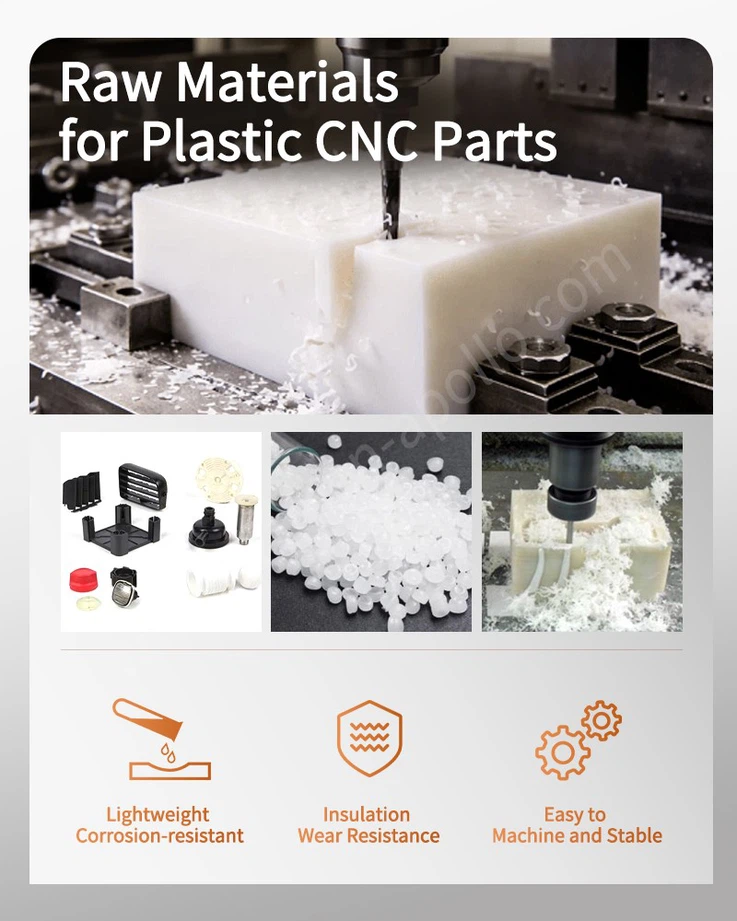
Fundamental Characteristics of CNC Plastic Prototypes
Ultra-High Molecular Weight Polyethylene (UHMWPE) is a thermoplastic engineering plastic with a molecular weight exceeding 1.5 million. Its exceptionally long and highly entangled molecular chains endow the material with a unique combination of comprehensive properties. Compared to standard polyethylene, nylon, polypropylene, and PVC, UHMWPE exhibits wear resistance that is several times superior; it demonstrates extremely low mass loss under highly abrasive operating conditions involving sand, gravel, mineral slurries, and pulverized coal. Furthermore, the material possesses an exceptionally low coefficient of friction-approaching that of Polytetrafluoroethylene (PTFE)-yet its wear resistance and impact strength far surpass those of PTFE. As a material, UHMWPE can be shaped using standard mechanical processing techniques-such as sawing, turning, milling, and drilling-facilitating the convenient production of CNC-machined plastic prototypes tailored to specific on-site requirements.
In practical engineering applications, CNC plastic prototypes are suitable for use across a wide temperature range, spanning from -200°C to 80°C. Crucially, the material retains excellent impact toughness even at low temperatures, unlike ordinary plastics which tend to become brittle and fracture under such conditions. This specific characteristic affords it distinct application advantages in outdoor equipment utilized during northern winters, conveyor systems within cold storage facilities, and mining operations situated in extreme cold environments.
Wear Resistance and Self-Lubrication
In mining and conveying equipment, friction between materials and equipment surfaces is the primary cause of wear on liners, chutes, and hoppers. The wear resistance of Ultra-High Molecular Weight Polyethylene (UHMWPE) components is far superior to that of ordinary steel and nylon; typically, its wear rate is only one-third to one-fifth that of nylon, and one-seventh to one-tenth that of carbon steel. This means that when UHMWPE is utilized for custom plastic parts-such as liners and wear strips-the replacement cycle can be significantly extended, thereby reducing the frequency of maintenance shutdowns and lowering overall maintenance costs.
Non-stick properties and self-lubrication constitute another outstanding advantage of UHMWPE. When handling wet, sticky materials for Plastic CNC Turning Parts-such as clay, mineral concentrates, coal, or sludge-the surfaces of ordinary steel or stainless steel plates are prone to material buildup, which can lead to chute blockages and hindered material flow from hoppers. UHMWPE's low surface energy and non-polar molecular structure make it difficult for water, oil, and most other materials to adhere to its surface, thereby creating a natural non-stick effect. Furthermore, the material itself possesses inherent self-lubricating properties, allowing it to maintain low frictional resistance without the need for additional lubricants. In conveying equipment applications-such as guide rails, support strips, and sliders-this characteristic serves to reduce drive energy consumption and minimize wear on mating components.
Impact Resistance, Corrosion Resistance, and Lightweight Characteristics
In mining and heavy machinery environments, equipment is frequently subjected to impact loads generated by falling materials. Conventional plastics-such as polypropylene and polyvinyl chloride-are prone to cracking or shattering when subjected to severe impacts. Ultra-High Molecular Weight Polyethylene (UHMWPE) boasts an impact strength that ranks among the highest of all plastics; even in low-temperature environments reaching -40°C, it retains excellent impact toughness. This exceptional impact resistance makes it an ideal choice for use as the final material in plastic prototyping, or for the mass production of wear-resistant components-such as hopper liners, transfer point buffer plates, and scraper conveyor guide rails.
Corrosion resistance constitutes another key advantage of ultra-high molecular weight polyethylene (UHMWPE) processed parts. This material exhibits excellent resistance to acids, alkalis, salt solutions, and a wide range of organic solvents; consequently, it serves as an effective substitute for stainless steel or corrosion-resistant coated steel in corrosive environments-such as those found in the chemical industry, wastewater treatment, and hydrometallurgy. Compared to metallic materials, UHMWPE does not rust or corrode, and requires no protective coating or maintenance. Furthermore, with a density of approximately 0.93–0.98 g/cm³-merely one-eighth that of steel-these machined plastic components significantly reduce the physical exertion required of operators when handling parts that necessitate frequent replacement or relocation, while also facilitating ease of on-site installation and adjustment.
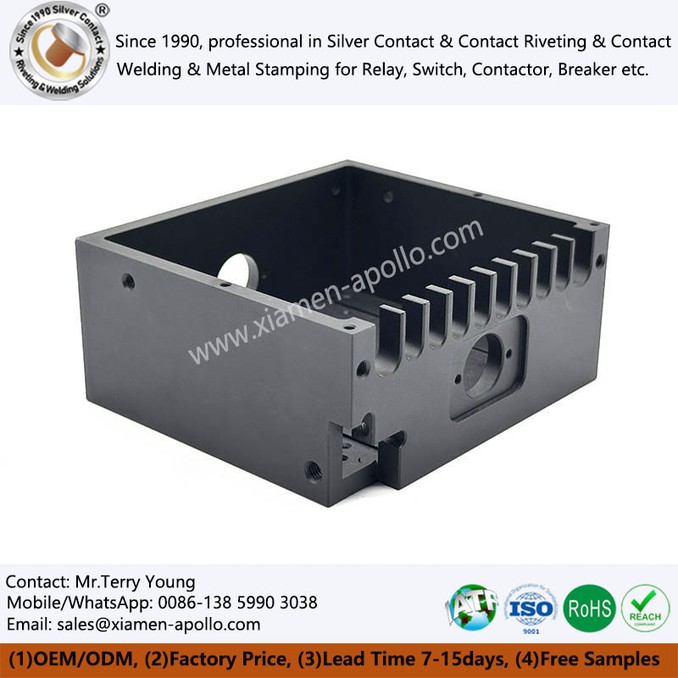
In summary, processed Ultra-High Molecular Weight Polyethylene (UHMWPE) components demonstrate significant application value across sectors such as mining, metallurgy, conveying equipment, and food machinery-thanks to their exceptional wear resistance, self-lubricating properties, impact strength, corrosion resistance, and lightweight nature. Through advanced manufacturing techniques-such as Plastic CNC Machining Services-UHMWPE material can be efficiently transformed into high-performance Engineering Plastics CNC Parts capable of meeting the demands of a wide range of complex operating environments. As the manufacturing industry continues to raise its standards for equipment durability and operational efficiency, the scope and depth of applications for processed UHMWPE components are poised to expand even further.
If you would like to learn more about material selection, CNC machining capabilities, or custom solutions for Engineering Plastics CNC Parts, please feel free to contact us at any time.
contact us
