

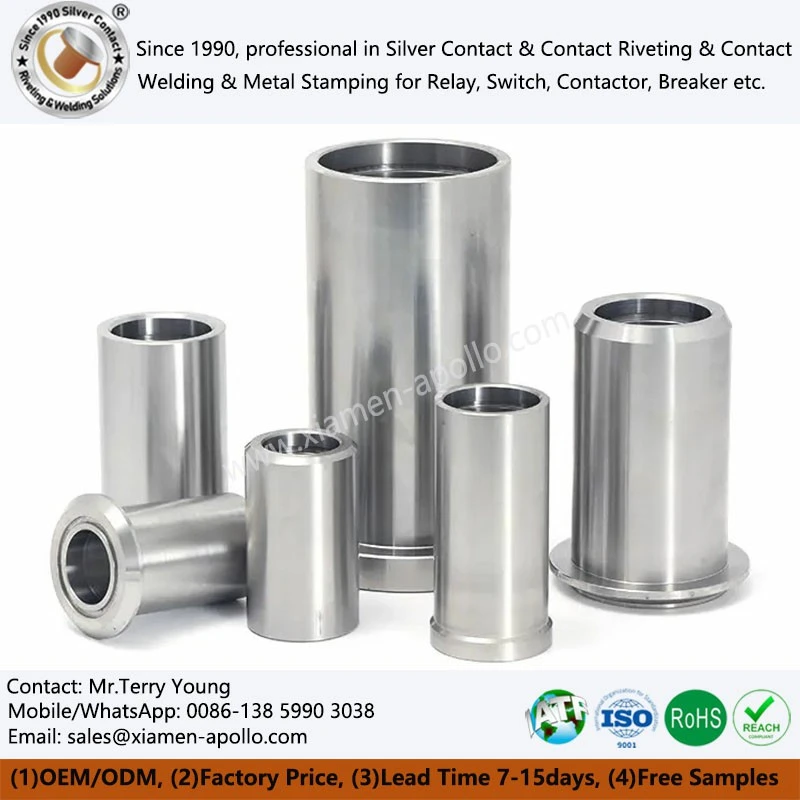
Raw material selection is the first critical stage in precision machining, as different applications impose vastly different requirements regarding material composition and performance. CNC Machining Stainless Steel Parts rely on stainless steel substrates; the material's inherent properties-such as chemical composition, hardness, and corrosion resistance-fundamentally determine the quality of the finished product. Any oversight during material selection is difficult to rectify through subsequent process adjustments; therefore, the industry consistently prioritizes raw material inspection as a core pre-machining step.
Precision machining relies on high-precision equipment and demands rigorous standards for operational procedures and attention to detail, as even the slightest deviation can result in defects. Steel CNC Machining Parts require exceptional dimensional accuracy and surface finish; parameters such as cutting tool settings, spindle speeds, and tool paths must be precisely configured during the milling process. Failure to properly control any detail can lead to issues like dimensional errors or surface scratches, resulting in scrapped parts or the need for rework.
Adherence to standardized machining processes is equally crucial; the entire workflow must strictly comply with industry standards and design specifications. The formation of Stainless Steel CNC Parts relies on the seamless integration of multiple milling stages; improper sequencing or a disorganized production rhythm can compromise the workpiece's structural integrity and functional performance. Standardized operating procedures ensure that each machining step proceeds in an orderly fashion, faithfully realizing the design plan and guaranteeing that all parameters meet the required standards.
Over the course of long-term production, the accumulation of technical expertise allows for the continuous optimization of machining strategies, thereby enhancing overall production efficiency and the pass rate of finished products. Machining Stainless Steel Milling Parts is more challenging than working with ordinary metals, as the material is prone to issues such as tool adhesion and work hardening. Mature machining experience enables manufacturers to proactively mitigate these problems, reduce production waste, and ensure a smoother, more stable machining process.
Rigorous, end-to-end quality control serves as the core pillar for the long-term development of precision milling, spanning the entire process from raw material intake to the completion of the finished product. CNC Steel Parts are widely used in sectors such as precision machinery and instrumentation; consequently, any product defects can directly impact the performance of the end equipment. Implementing quality inspections at every stage and promptly identifying potential processing issues not only ensures consistent product quality but also drives the continuous maturation of manufacturing processes.
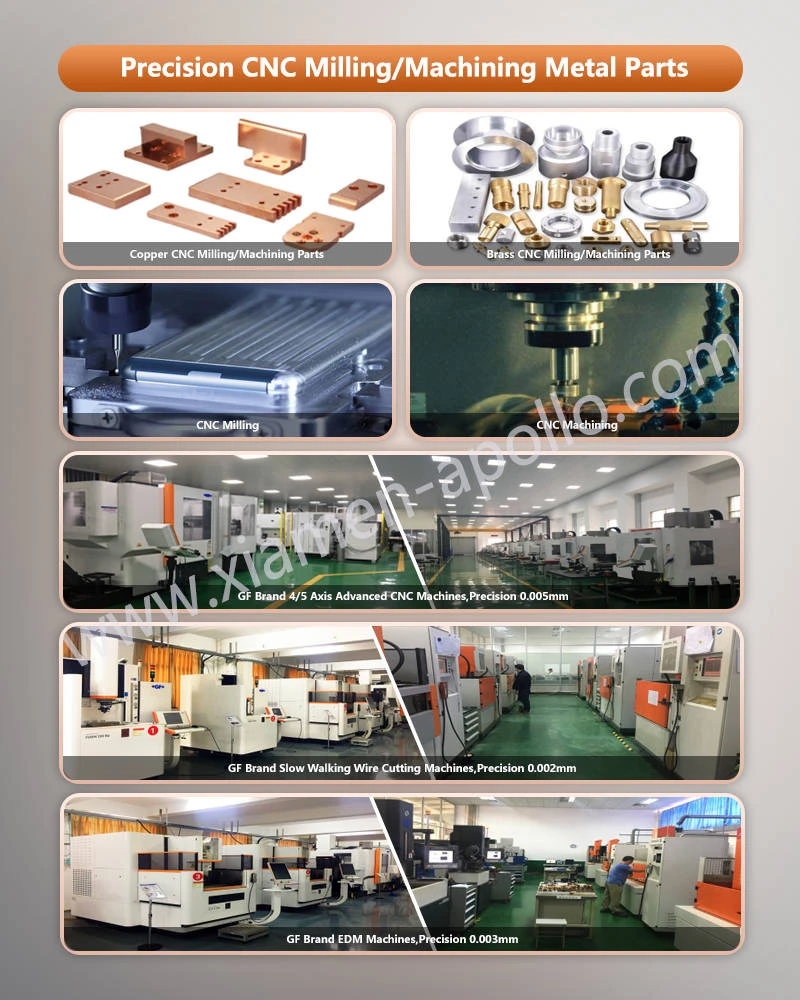
Across the precision milling industry, every link-from preliminary preparation and material selection to meticulous detail management and standardized workflows-is interconnected and indispensable. Consistent workpiece quality can only be achieved by strictly adhering to processing standards and meticulously controlling every detail. Amidst the industry's ongoing transformation, continuously refining processing technologies and perfecting control systems ensures that precision metal milled parts can effectively meet the diverse needs of industrial applications.
Our Stainless Steel Milling Parts are manufactured using premium raw materials and backed by mature milling techniques and a comprehensive quality control system. They feature precise dimensions and superior surface finishes, effectively avoiding issues such as work hardening and tool adhesion, making them fully compatible with the requirements of various precision machines and high-end equipment. We welcome inquiries from interested clients regarding procurement and custom manufacturing partnerships.
Contact Us
