

With the continuous development of electronics and the electrical industry, the quality testing standards for electrical connection accessories are constantly being upgraded, and the reliability assessment of various connection components has become a key focus of the industry. Terminal Block Hand Screws, relying on their simple operation and stable fixing effect, are widely used in various electrical interconnection scenarios, and their contact performance directly affects the operating status of the entire circuit. In actual working conditions, component contact failures are mostly caused by external disturbances, and the industry is constantly optimizing testing methods to control the basic quality of products.
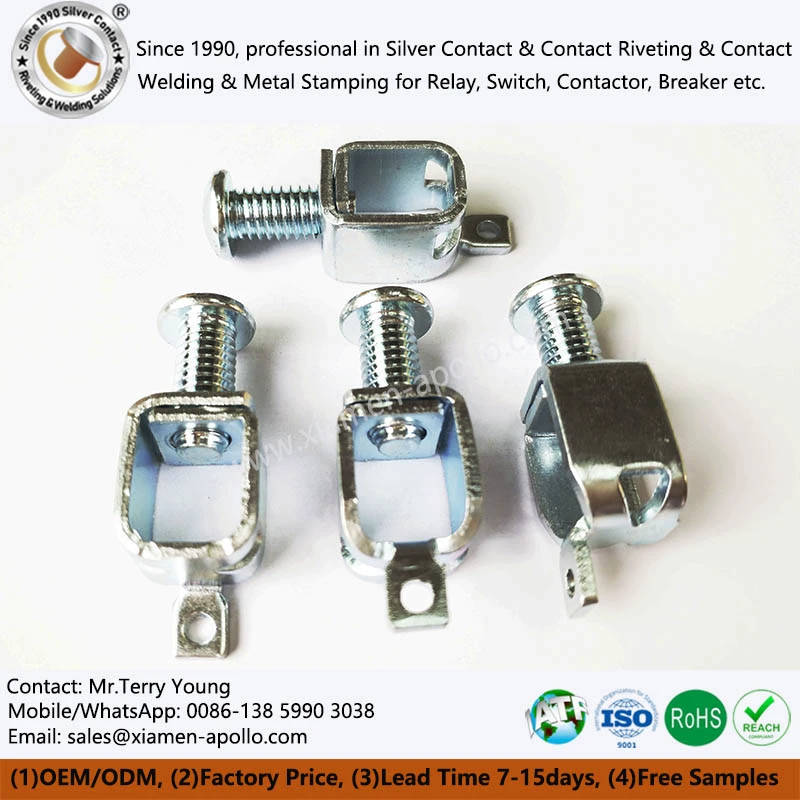
Single-hole separation force is a core indicator for measuring the contact stability of these electrical connection components, referring to the separation force generated when the contact point moves from a stationary state. If the separation force parameter of the contact structure paired with the Fuse Holder Screw Clamp Terminal is not up to standard, the equipment is prone to momentary signal interruption when subjected to vibration or impact. Practical testing has found that some components with unqualified separation force still meet the standard in conventional contact resistance testing, highlighting the necessity of this test. Currently, the industry generally uses automated equipment to conduct multi-point synchronous testing, screening finished products point by point to avoid the risk of loose connections from the source.
Conventional static testing methods have significant limitations, failing to simulate the real-world operating environment of equipment, a long-standing challenge in the electrical connection field. Electrical Connection Cage Clamp with Screws is often installed in equipment operating under dynamic vibration conditions, and relying solely on static contact resistance testing is insufficient to guarantee long-term reliability. Many products that pass static testing frequently experience momentary power outages during vibration and shock simulation tests, posing safety hazards and prompting the industry to refine its testing systems.
For high-reliability applications, dynamic vibration full-scale testing is gradually becoming the mainstream solution, safeguarding precision electrical equipment. For Wire Clamp Terminal with Screw products used in key engineering projects, the industry recommends implementing 100% point-by-point dynamic continuity testing to comprehensively verify the connection capability of contacts under dynamic conditions. Currently, most manufacturers' routine acceptance processes do not incorporate dynamic testing, with related work often handled by the equipment installer. The industry is also calling on manufacturers to supplement the testing process to improve overall product stability.
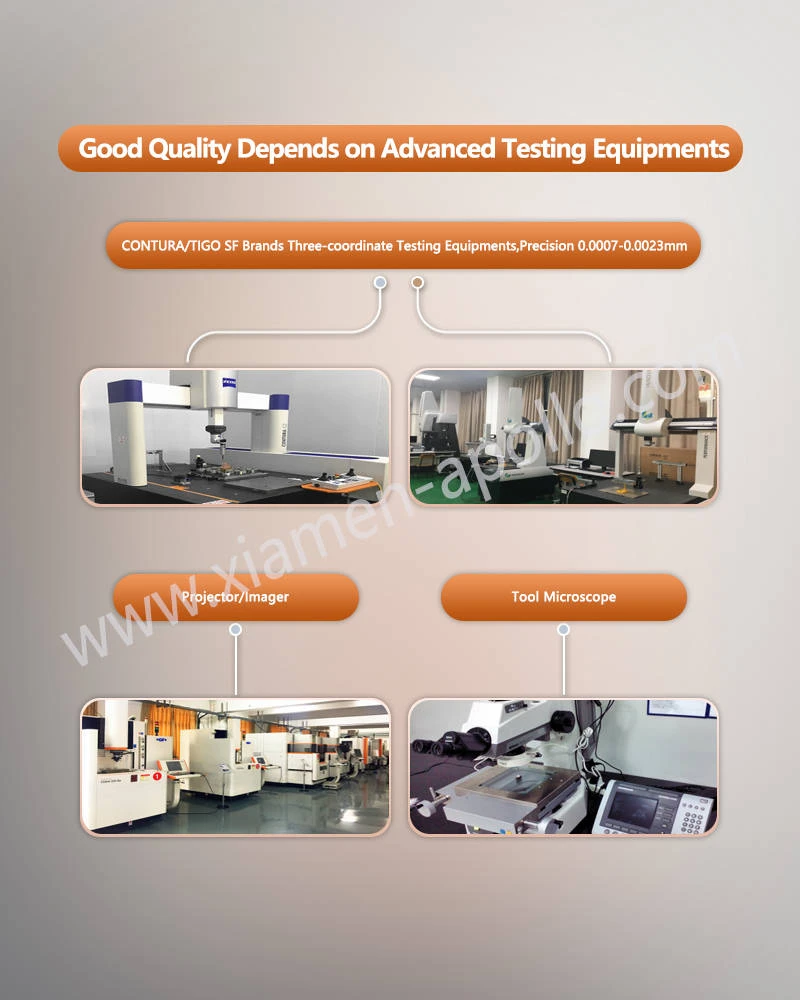
In line with current industry trends, diversified testing combinations are becoming the mainstream direction for quality control. The testing system for Pre-Assembled Screw Wire Terminal products is gradually forming a model combining static screening and dynamic simulation. Dual testing methods enable comprehensive detection of contact defects, adapting to the needs of various application scenarios such as industrial control and power supply. As electrical equipment becomes increasingly sophisticated, more stringent and comprehensive testing standards will continue to drive the connection accessory industry towards higher stability and safety.
contact us
Our Terminal Block Hand Screw undergoes rigorous testing throughout the entire process, demonstrating stable separation force, outstanding vibration and shock resistance, and adaptability to various complex operating conditions. It fundamentally avoids the problem of instantaneous circuit breaks, making it an excellent choice for high-reliability electrical connections. For purchasing and technical consultation, please feel free to contact us.
