In industrial welding, engineers frequently encounter issues such as insufficient joint strength or corrosion-related failure. For instance, when welding copper alloys or stainless steel, an improper choice of filler metal can lead to joint embrittlement or reduced electrical conductivity, thereby compromising equipment longevity. These problems often stem from a misunderstanding of the underlying technical principles and a lack of a systematic approach to selection. This article explores the core concepts of Weldable Silver Contacts and offers practical selection tips to help readers enhance their professional expertise and ensure high-quality welds.
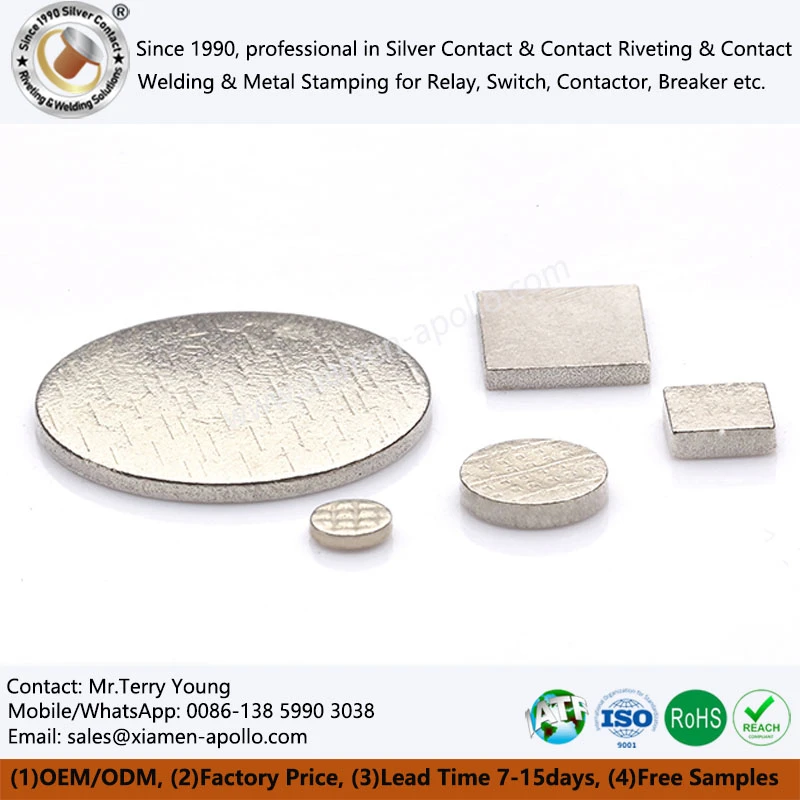
Core Technical Principles of Silver Contact Tips
Silver Contact Buttons are a type of brazing filler metal-a metallic material used to join base materials (such as copper, steel, or stainless steel) without melting the base materials themselves. Their operation relies on metallurgical bonding: upon heating, the filler metal melts and wets the surface of the base material, filling the joint gap via capillary action to form a robust bond upon cooling. While silver (Ag) serves as the primary component-providing high electrical and thermal conductivity-its pure melting point is excessively high (approximately 960°C). Consequently, elements such as copper (Cu), zinc (Zn), and tin (Sn) are added to create an alloy that lowers the melting point and optimizes performance. For example, an Ag30CuZnSn shim contains 30% silver with the remainder composed of copper, zinc, and tin, resulting in a typical melting range of 665–755°C. This compositional design effectively meets the welding requirements for copper alloys, steel, and stainless steel because:
Silver content influences performance: A silver proportion of 30%–45% (e.g., Ag30CuZnSn or Ag45CuZnSn) balances cost with conductivity, making it suitable for general industrial applications.
Alloying elements play specific roles: Copper enhances strength, zinc lowers the melting point, and tin improves wettability; together, they ensure the stability of the welded joint at high temperatures. The significance of the melting point range lies in the requirement for the solder to melt below the base material's melting point (e.g., copper melts at 1083°C); the 665–755°C range of Ag30CuZnSn allows for controlled processing and minimizes deformation in the heat-affected zone.
In practical applications, Electrical Contact Tips create joints via brazing processes (such as flame or induction heating), achieving joint strengths of 200–300 MPa and superior corrosion resistance compared to standard solders. This performance stems from silver's inert nature and the alloy's uniformity, though actual results depend on precise compositional control.
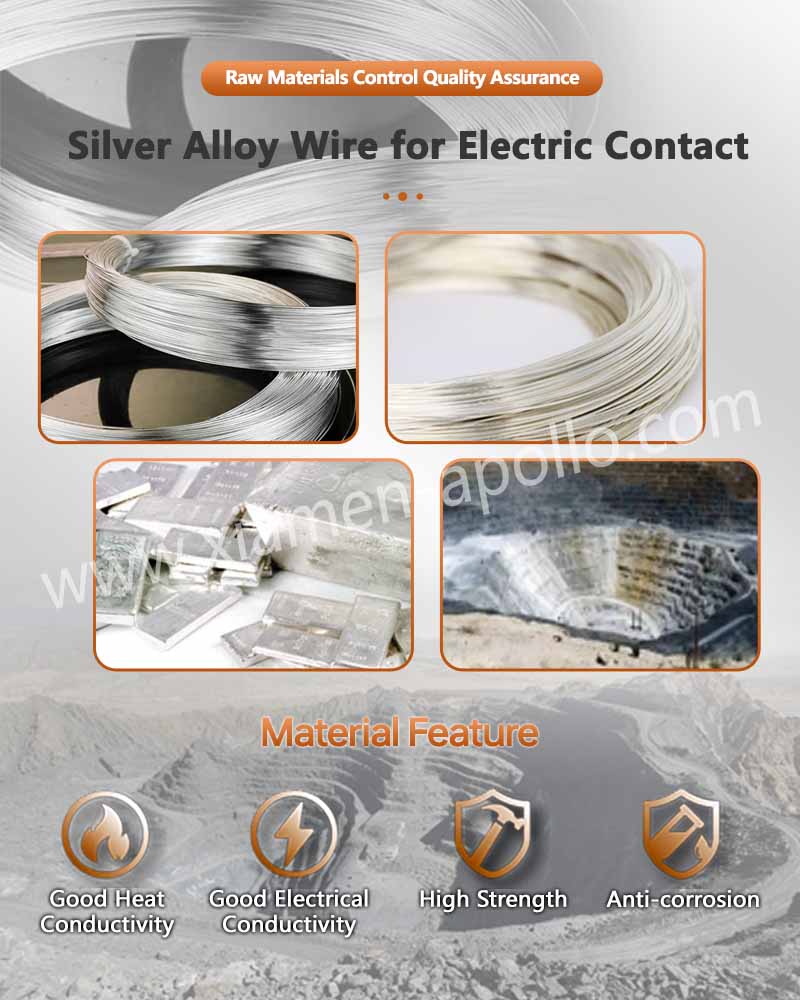
Tips for Selecting Silver Contact Discs
Selecting Electrical Contact Buttons requires a systematic evaluation of welding needs to avoid failures caused by improper selection. Key steps include:
Matching welding materials: Prioritize selection based on the base material type. For instance, Round Silver Contacts are suitable for copper and copper alloys, steel, and stainless steel due to their excellent wettability, whereas aluminum requires specialized solder. Consult product specifications to confirm compatibility (e.g., Ag30CuZnSn is suitable for copper alloys and steel).
Analyzing the melting point range: The welding process temperature must remain below the base material's melting point. When selecting an insert, compare its nominal melting point (e.g., 665–755°C) with the equipment's heating capacity. Excessively high melting points increase energy consumption, while excessively low ones may lead to premature melting.
Evaluating composition ratios: Silver content affects both cost and performance. Inserts with 30–40% silver (e.g., Ag30CuZnSn) are cost-effective and suitable for general applications; high-silver grades (e.g., Ag45) offer superior electrical conductivity but come at a higher cost. Check material specifications and model numbers to ensure composition details are transparent.
Considering shape and process: The shape of the insert (e.g., sheet, strip, or wire) affects ease of use. Sheet forms are ideal for automated welding, while strips are suitable for manual operations. Additionally, prioritize reliability by selecting products with clearly defined origins and quality inspection records to mitigate supply chain risks. Verify product compliance: Prioritize evaluating domestically produced products to reduce procurement costs and check for adherence to production standards (such as ISO certification). Avoid purchasing products that lack model numbers or have undefined compositions.
During practical testing, solder wettability and joint strength can be verified through sample welding to ensure compliance with industry standards (such as AWS specifications).
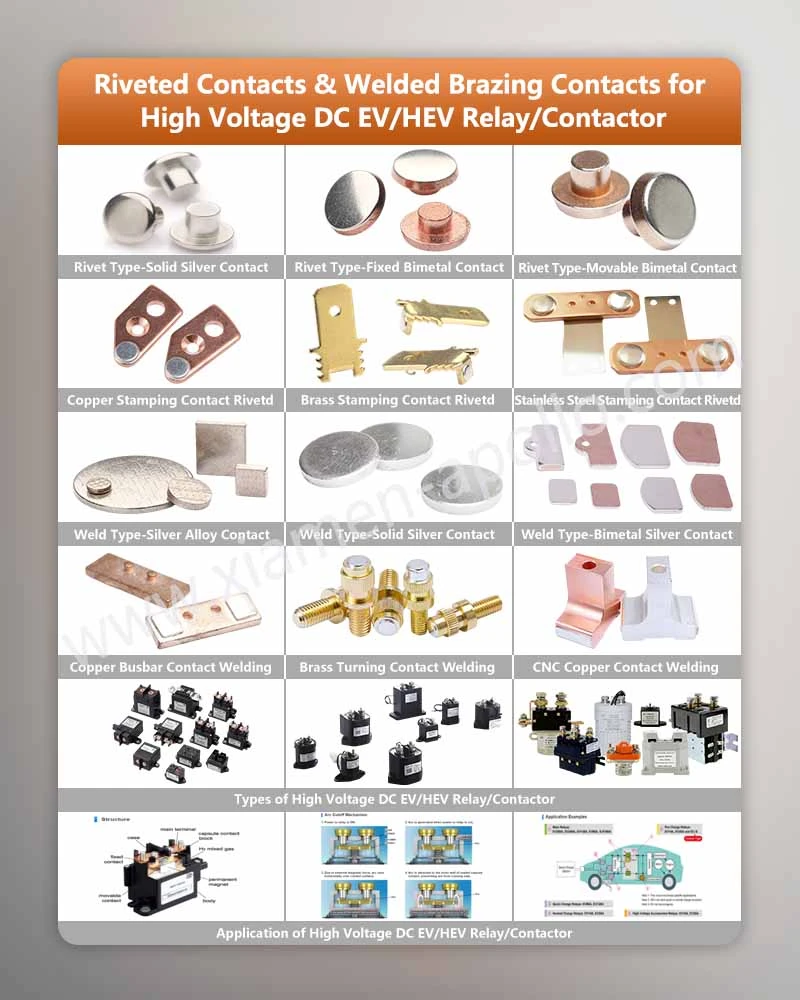
Reference Example of Suitable Silver Brazing Sheets
Ag30CuZnSn Silver Contact Tips serve as a useful reference for product selection. Their composition-featuring 30% silver and a copper-zinc-tin alloy-provides a melting range of 665–755°C, making them suitable for welding copper alloys, steel, and stainless steel (e.g., for industrial components like bandsaw blades). As silver-based alloy shims, they are designed for easy use in automated applications. These shims offer stable performance in standard welding operations, and tested joint strength meets industry averages, making them a practical choice for engineers. However, specific requirements should always be considered during selection rather than relying on generalizations.
contact us
Our factory supports the customization and bulk supply of various Weldable Silver Contacts. Backed by mature mass-production processes and rigorous quality control systems, we can rapidly fulfill industrial bulk orders and meet customization needs for specialized operating conditions. Please feel free to contact us if you require high-quality, compatible solder shims.