

Stainless steel, due to its excellent corrosion resistance, good high-temperature strength, and superior mechanical stability, is widely used in high-end manufacturing fields such as aerospace, medical devices, food machinery, chemical equipment, and energy facilities. However, its unique physical and metallurgical properties also make it a recognized "difficult-to-machine material." Especially in the CNC machining of stainless steel parts, problems such as rapid tool wear, excessively high cutting temperatures, difficulty in controlling surface quality, and challenges in chip removal are frequently encountered. A deep understanding of these challenges and the adoption of scientific process countermeasures are key to ensuring the efficient and high-quality production of stainless steel CNC turning parts.
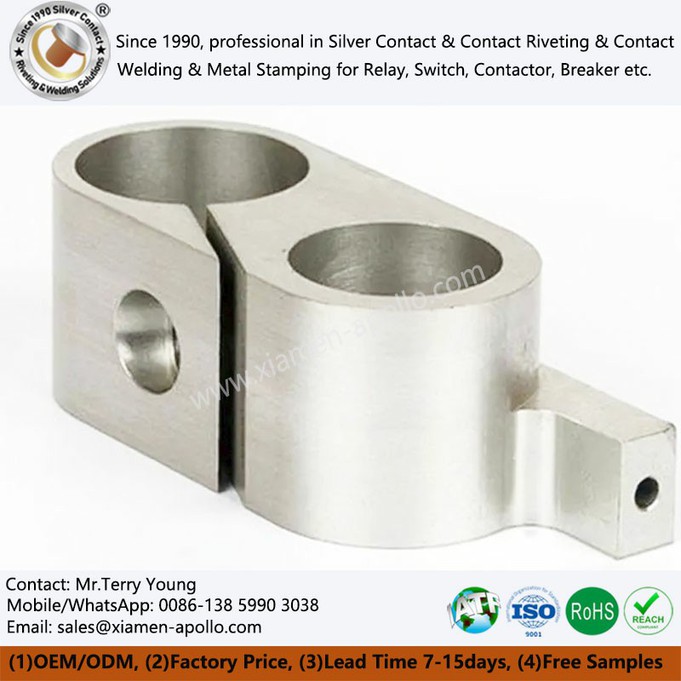
Key Technical Challenges in Stainless Steel Machining
Significant Work Hardening Tendency
During CNC machining of austenitic stainless steel (such as 304 and 316), the surface hardness can rapidly increase by more than 50% due to intense plastic deformation. If subsequent tool feeds fail to penetrate the unhardened layer, the tool for stainless steel CNC turning parts will directly act on the high-hardness area, leading to chipping or accelerated wear.
Low Thermal Conductivity and High Cutting Zone Temperature
The thermal conductivity of stainless steel is only about 1/3 that of ordinary carbon steel (approximately 16 W/m·K for 304). A large amount of cutting heat accumulates in the contact area between the tool tip and the workpiece, easily exceeding the red hardness limit of the tool material, causing diffused wear, crater wear, and even plastic deformation for CNC stainless steel parts.
High Plasticity and Strong Adhesion Lead to Difficult Chip Control
Stainless steel has high elongation, making chips difficult to break. Furthermore, at high temperatures, chips easily adhere to the tool material, forming built-up edge. This not only degrades the CNC machining stainless steel parts' quality of the machined surface but can also cause chip entanglement, affecting the automated production cycle and even damaging equipment.
High cutting forces place high demands on system rigidity.
The unit cutting force is approximately 20–30% higher than that of 45 steel, imposing higher requirements on the overall rigidity of the machine tool spindle, tool holder, fixture, and workpiece clamping. Even minor vibrations can leave chatter marks on the surface of CNC stainless steel parts, affecting dimensional accuracy and fatigue performance.
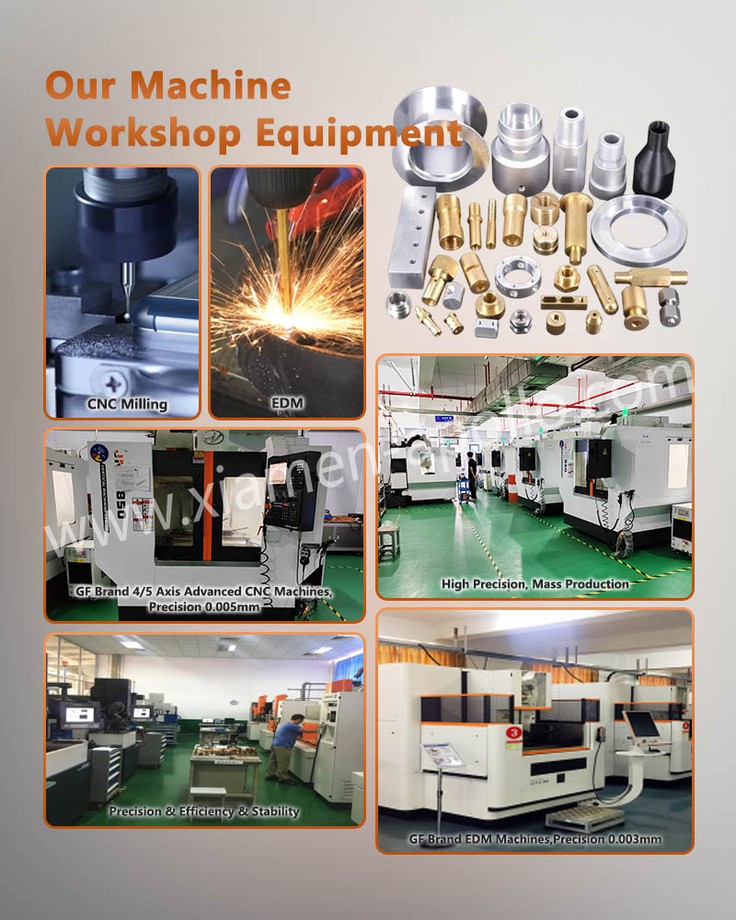
Technical Measures to Overcome the Difficulties of Stainless Steel Machining
1. Selection of High-Performance Tool Materials and Coatings
The rational selection of tool materials is the primary step in overcoming the difficulties of machining stainless steel CNC parts. Carbide tools, due to their excellent red hardness and wear resistance, have become the mainstream choice for stainless steel turning and milling. Fine-grained carbide and supercarbide tools exhibit higher impact resistance under interrupted cutting conditions. The application of tool surface coating technology further improves tool life. Coatings such as TiN, TiAlN, and AlCrN have high hardness and oxidation resistance, effectively reducing the friction coefficient between the tool and chips and reducing cutting heat input.
2. Optimization of Cutting Parameters and Machining Strategies
The rational matching of cutting speed, feed rate, and depth of cut directly affects the control of cutting temperature and cutting force. In the roughing stage, a medium cutting speed, a large depth of cut, and a moderate feed rate are recommended to prioritize material removal efficiency while avoiding excessively high cutting temperatures that could lead to rapid tool wear. During the finishing stage, the cutting speed should be appropriately increased while the depth of cut and feed rate should be reduced to decrease cutting forces and control surface quality of milling 304 stainless steel.
3. Employ Efficient Cooling and Lubrication Methods
Traditional coolants have difficulty effectively penetrating the cutting zone in CNC machining of steel parts, resulting in limited cooling performance. Using a high-pressure internal cooling tool system, the coolant is directly sprayed onto the contact area between the tool tip and the chip, significantly improving cooling efficiency and reducing the temperature in the cutting zone. High-pressure coolant also assists in chip breaking, improving chip morphology and reducing entanglement. For precision machining, Minimum Quantity Lubrication (MQL) technology, combining compressed air and a small amount of lubricating oil, can reduce coolant consumption while ensuring lubrication, promoting cleaner production.
4. Control Cutting Forces and Process Stability
Precise control of cutting forces is crucial for preventing workpiece deformation and ensuring machining accuracy. By using force sensors or spindle load monitoring systems to monitor force signals in real time during machining, feed rate or depth of cut can be dynamically adjusted to avoid exceeding cutting force limits. For thin-walled or slender shaft-like stainless steel milling parts, segmented machining, symmetrical cutting, or the addition of auxiliary supports can effectively reduce machining deformation.
5. Optimize Workpiece Clamping and Machining Environment
The workpiece clamping method directly affects the rigidity of the machining system. For easily deformable stainless steel parts, special fixtures or additional clamping points should be used to ensure uniform clamping force distribution and avoid workpiece deformation caused by excessive local clamping force. In a precision machining environment, controlling workshop temperature and humidity to reduce the impact of environmental factors on workpiece dimensional stability is also an important measure to ensure the accuracy of CNC-machined stainless steel parts.
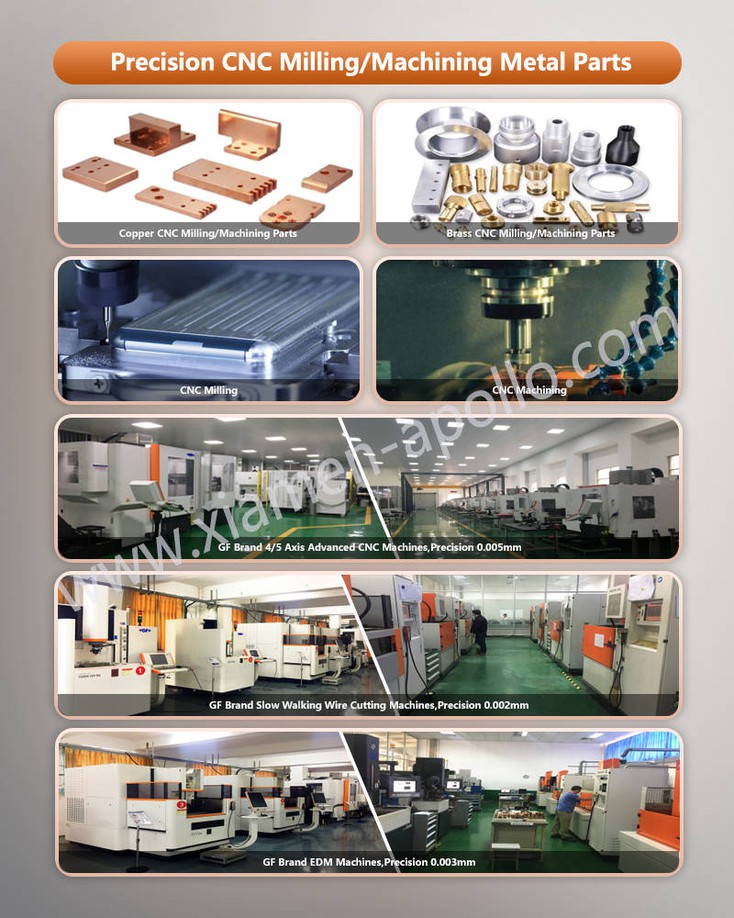
Conclusion
The challenges of CNC milling of stainless steel stem from its material properties such as high hardness, low thermal conductivity, high plasticity, and work hardening tendency. These challenges pose systematic challenges to cutting tools, processes, and process control. With the continuous advancement of CNC technology and cutting tool materials, stainless steel machining processes will continue to evolve towards higher efficiency, higher precision, and higher stability, providing stronger technical support for high-end equipment manufacturing.
contact us
For further information on the stainless steel rolling mill process or technical consultation regarding processing solutions for specific parts, please feel free to contact us. We will provide you with professional technical support and services.
